







Dion: The Bronx Voice of Rock & Roll and Doo-Wop
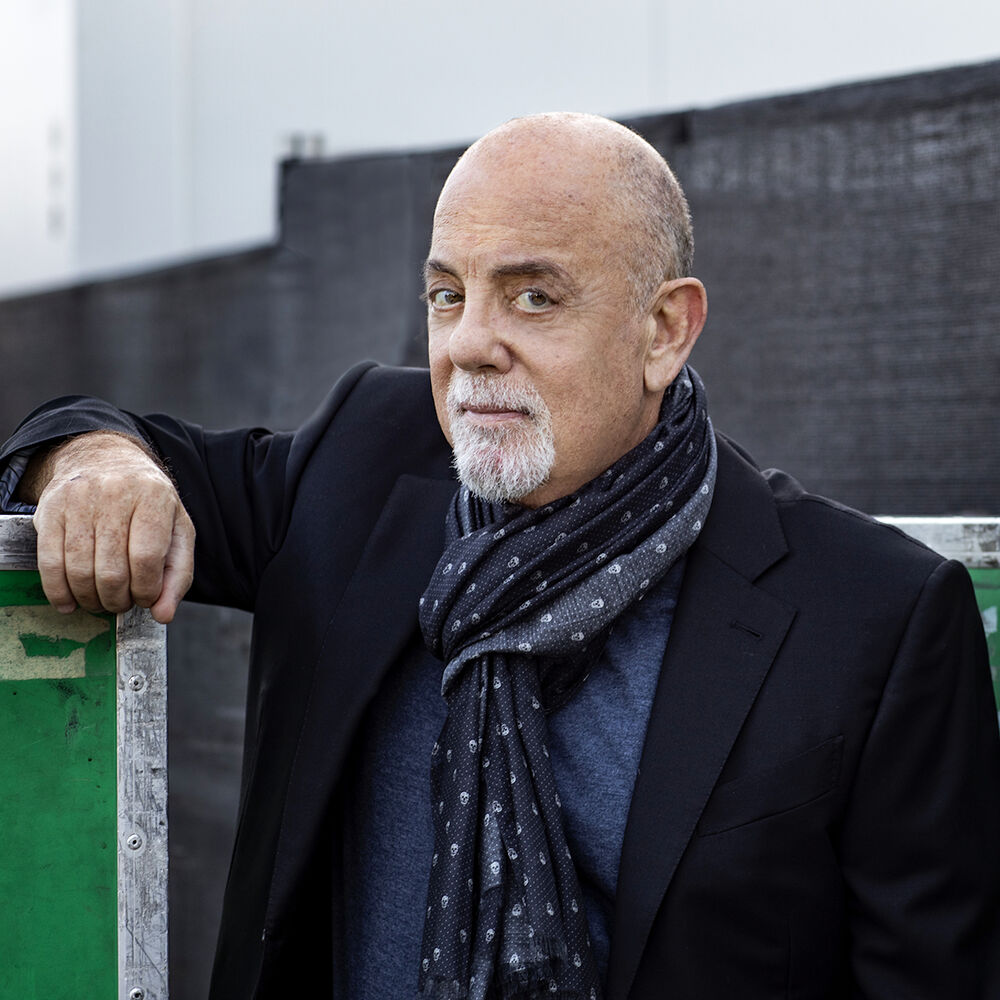
Dion DiMucci, known mononymously as Dion, is an American singer-songwriter whose career spans the birth of rock & roll, doo-wop, and folk-influenced pop rock. Hailing from the Bronx, New York, his journey from street-corner harmonies to chart-topping solo success cemented his place as a pivotal figure in the evolution of popular music.
Early Career
Dion's musical journey began in the 1950s with the doo-wop group Dion and the Belmonts, named after Belmont Avenue in his Bronx neighborhood. The group found early success with hits like "I Wonder Why" in 1958, establishing Dion's distinctive, streetwise vocal style within the burgeoning rock & roll scene.
Breakthrough
Dion's major breakthrough as a solo artist came in 1961 with the release of "Runaround Sue" on Laurie Records. The song, co-written by Dion, soared to number one on the Billboard Hot 100 and was quickly followed by another chart-topper, "The Wanderer," solidifying his status as a rock & roll star. These hits defined a new, tougher rock & roll sound and have remained enduring classics.
Key Tracks
Runaround Sue - This 1961 number-one hit became Dion's signature song, a defining anthem of early 1960s rock & roll with its iconic shuffle beat and tale of heartbreak.
The Wanderer - Released the same year, this follow-up single also reached the top of the charts, creating a timeless persona of the resilient, roaming rock & roller.
Abraham, Martin and John - This 1968 folk-rock single marked a dramatic and successful shift in style for Dion, addressing social themes and becoming one of his most poignant and recognized recordings.
I Wonder Why - The 1958 hit with Dion and the Belmonts that first introduced his voice to a national audience, showcasing the pure doo-wop harmony style.
After his initial wave of rock & roll fame, Dion's career navigated the changing musical landscape of the 1960s. He explored folk and blues influences, resulting in acclaimed work like the 1968 album "Dion" for Warner Bros. Records, which featured "Abraham, Martin and John." His ability to adapt while maintaining his core vocal identity allowed for a sustained career with periodic resurgences, including a successful return to his rock & roll roots in later decades and induction into the Rock and Roll Hall of Fame in 1989.
Artists with a similar foundational role in rock & roll and doo-wop include Del Shannon, who also blended pop melodies with a rock & roll edge. The early group harmony sound is echoed by The Platters, masters of sophisticated doo-wop and pop. For the transition from 50s rock into 60s pop, Ricky Nelson followed a parallel path. The street-corner group origins can be heard in the music of The Four Seasons, another act that dominated the early 1960s charts.