
Duke Ellington
Listen Duke Ellington on radio stations:


Duke Ellington: The Architect of American Jazz
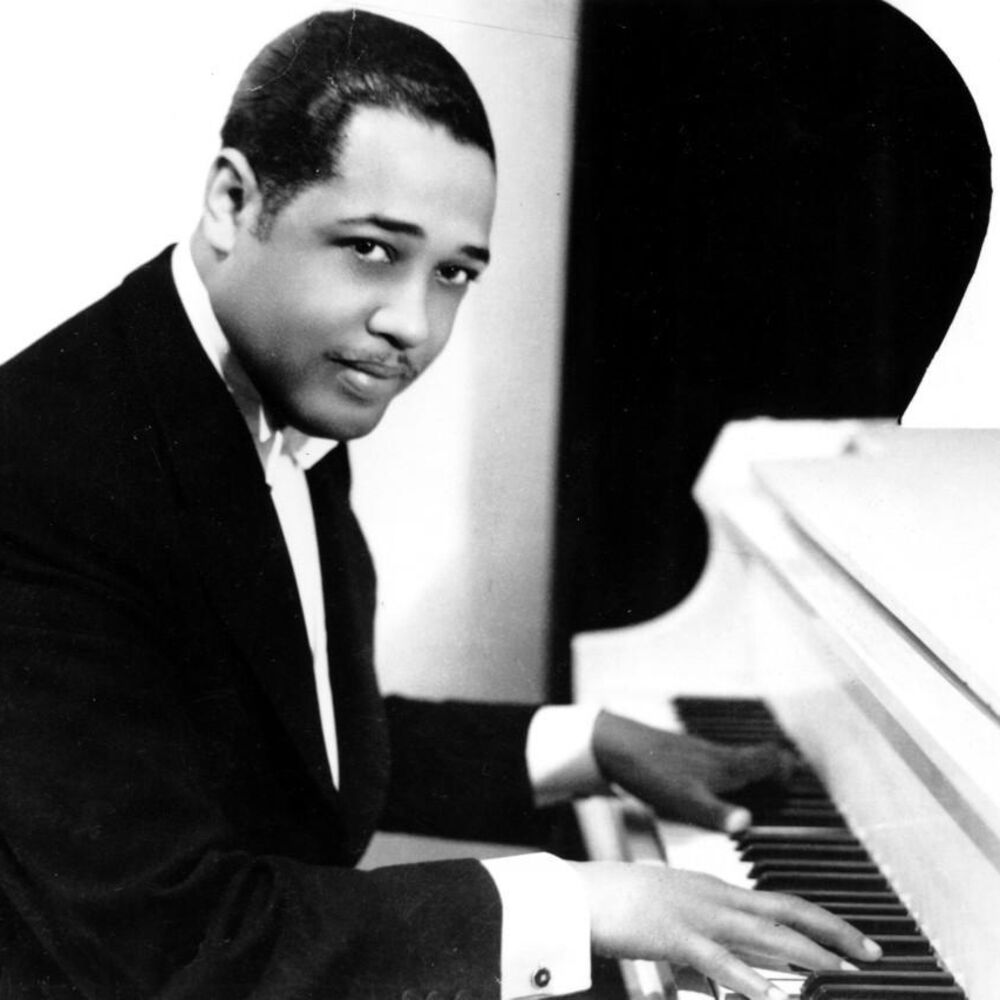
Duke Ellington was an American composer, pianist, and bandleader who stands as one of the most influential figures in the history of jazz music. His career spanned over five decades, during which he led his renowned orchestra and composed thousands of works, elevating jazz to an art form.
Early career
Born Edward Kennedy Ellington in Washington, D.C. in 1899, he began playing piano professionally in his teens. By the mid-1920s, he and his band, The Washingtonians, had moved to New York City, securing a residency at the famous Cotton Club in Harlem in 1927, which provided a national radio broadcast platform.
Breakthrough
His Cotton Club residency catapulted him to fame, allowing him to develop his unique sound and introduce signature compositions. This period established the Duke Ellington Orchestra as a major force, with early hits like Mood Indigo and It Don't Mean a Thing (If It Ain't Got That Swing) becoming jazz standards.
Key tracks
Take the "A" Train - This Billy Strayhorn composition became the orchestra's definitive theme song and a timeless jazz anthem.
Mood Indigo - An early masterpiece showcasing Ellington's innovative approach to orchestral color and harmony.
Satin Doll - A later, widely recognized standard that crossed over into popular music culture.
Caravan - Co-written with Juan Tizol, this song is a pioneering example of incorporating Latin influences into jazz.
Sophisticated Lady - A brilliant example of his skill in composing poignant, complex ballads for orchestra.
Ellington's prolific output continued through the swing era, the advent of bebop, and beyond, with major works like his Black, Brown and Beige suite and sacred concerts. He maintained his orchestra as a working unit for nearly fifty years, collaborating with legendary musicians like Johnny Hodges, Billy Strayhorn, and Cootie Williams.
Artists operating in the big band and sophisticated jazz tradition include Count Basie, who led a rival, more rhythmically driving orchestra. Louis Armstrong was a foundational contemporary who revolutionized jazz soloing. For compositional ambition in jazz, explore Charles Mingus, whose work carries a similar expressive depth.
Duke Ellington's vast catalog remains a cornerstone of programming for classic jazz and big band radio stations. His music is essential listening on any platform dedicated to the history and evolution of American sound.
The music of Duke Ellington is featured across radio stations available on our platform, where listeners can explore the enduring legacy of this jazz pioneer.
