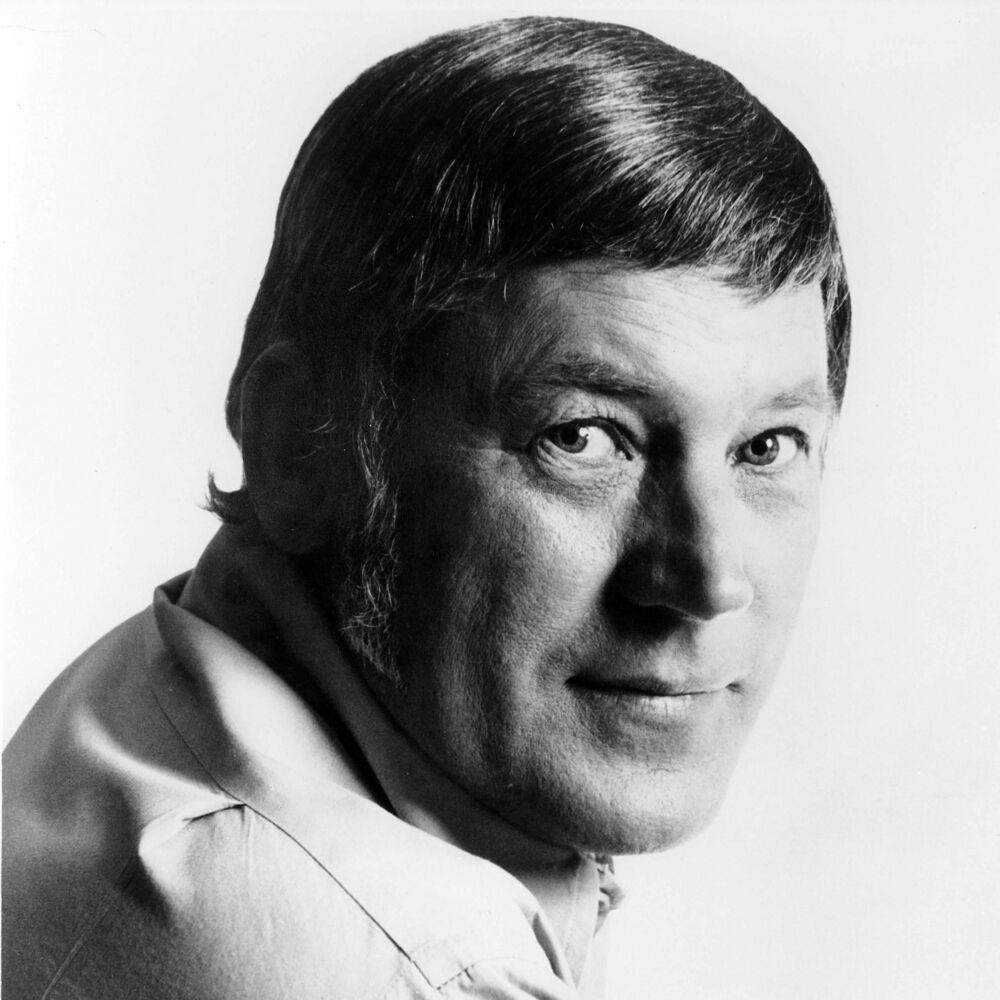
Eddie Jefferson: The Father of Vocalese Jazz
Eddie Jefferson was an American jazz singer and lyricist who pioneered the complex art of vocalese. His primary achievement was not commercial sales but a profound artistic legacy, defining a genre by writing and performing ingenious lyrics to famous jazz instrumental solos.
Early career
Born in 1918 in Pittsburgh, Pennsylvania, Eddie Jefferson began his career as a dancer and part-time singer. His revolutionary approach crystallized in the late 1940s when he wrote lyrics to Coleman Hawkins's famed saxophone solo on "Body and Soul," creating the first fully realized vocalese performance.
Breakthrough
Jefferson's groundbreaking work gained major recognition after he joined saxophonist James Moody's band in the early 1950s. His 1952 recording of "Moody's Mood for Love," with lyrics set to Moody's solo, became a surprise radio hit, though it was a cover by King Pleasure that initially charted.
Key tracks
Moody's Mood for Love — This track is the definitive vocalese standard, popularizing the form and becoming his signature song for decades.
So What — Jefferson demonstrated his modern edge by crafting lyrics to Miles Davis's seminal modal jazz piece from the album "Kind of Blue."
Body and Soul — His first vocalese composition remains a foundational text in the genre's history.
Filthy McNasty — A prime example of his witty, rhythmic lyricism set to a Horace Silver hard bop instrumental.
Jefferson recorded a series of acclaimed albums for labels like Prestige and Riverside in the late 1950s and 1960s, including "The Jazz Singer" and "Body and Soul." His career experienced a resurgence in the 1970s through his collaboration with trumpeter Woody Shaw and saxophonist Richie Cole, resulting in vibrant albums for the Muse label like "The Main Man." Tragically, Eddie Jefferson was shot and killed in 1979, cutting short a period of renewed artistic vitality.
For fans of Eddie Jefferson's sophisticated jazz vocal style, explore similar artists featured on our site. King Pleasure directly popularized Jefferson's "Moody's Mood" and helped bring vocalese to a wider audience. Annie Ross mastered the form with her classic "Twisted," showcasing similar technical brilliance. Lambert Hendricks & Ross expanded the concept into intricate ensemble vocalese. Jon Hendricks is another lyrical genius who became the most celebrated practitioner of the art form Jefferson pioneered.
Eddie Jefferson's innovative catalog remains in steady rotation on specialty jazz radio stations and online radio streams dedicated to classic bebop and vocal jazz. His recordings are staples on programs focusing on jazz history and vocal mastery across the network.
The pioneering vocalese of Eddie Jefferson continues to be featured on jazz radio stations available through onairium.com, where listeners can discover his influential work and the artists he inspired.