








Eddy Grant: The Pioneer of British Reggae and Pop
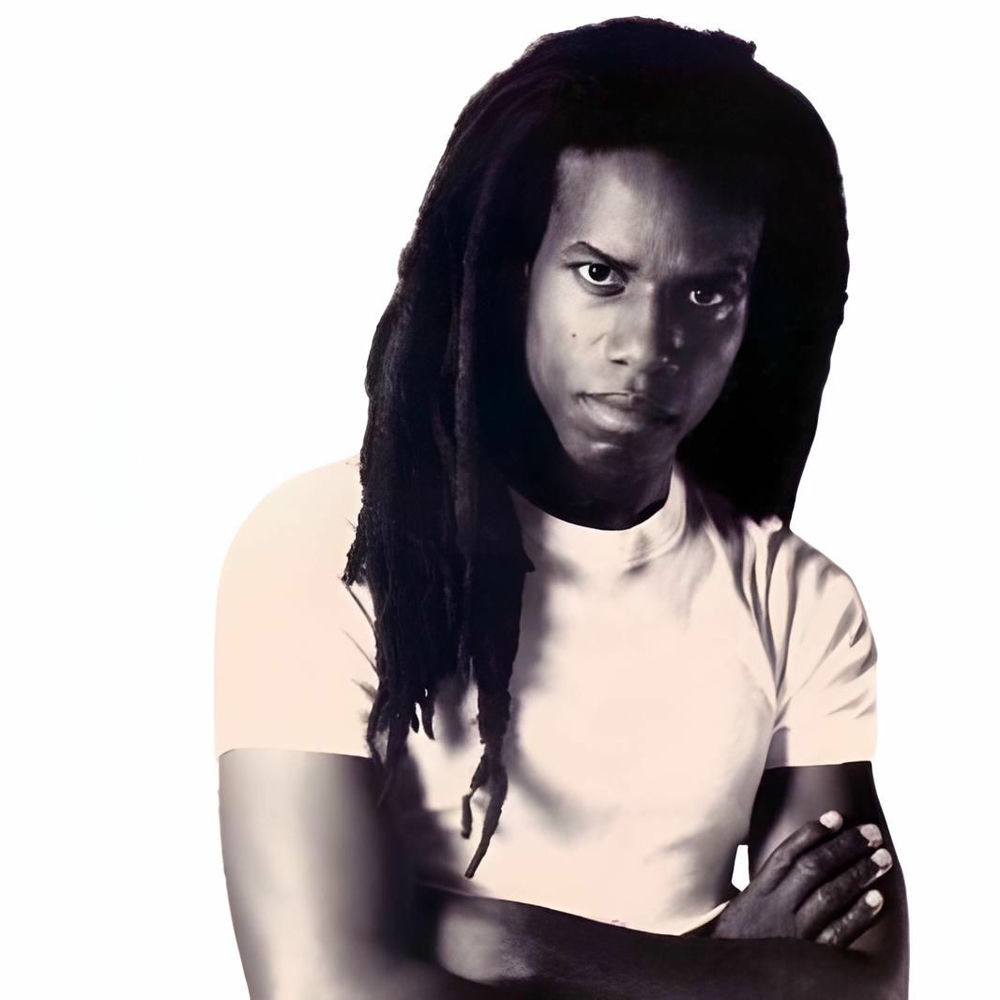
Eddy Grant is a Guyanese-British singer, songwriter, and multi-instrumentalist known for blending reggae, pop, and rock into a distinctive global sound. His career, spanning from the 1960s to the present, is marked by international hits and a pioneering role in bringing Caribbean-influenced music to mainstream charts.
Early Career
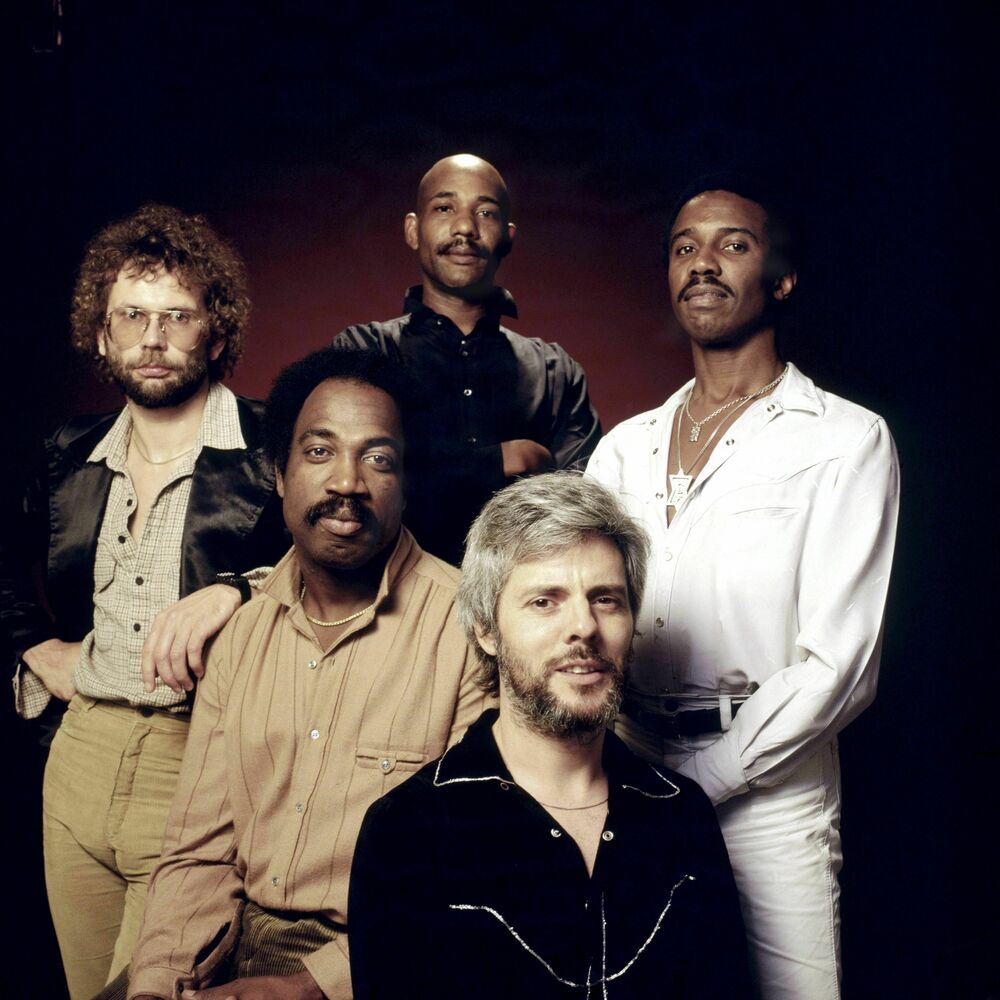
Born Edmond Montague Grant in Plaisance, Guyana in 1948, he moved to London with his family as a teenager. His musical journey began in the mid-1960s as the founder, lead guitarist, and main songwriter for the multiracial band The Equals, who scored a UK number one hit in 1968 with Baby Come Back.
After a serious health scare forced him to step back from touring in the early 1970s, Grant shifted focus to production and built his own recording studio, The Coach House, in London. This move towards independence laid the groundwork for his solo career.
Breakthrough
Eddy Grant's solo breakthrough came with the 1979 album Walking on Sunshine, which established his signature "ringbang" sound-a fusion of reggae, soca, and rock. His global commercial peak arrived in 1982 with the politically charged single Electric Avenue, which reached number two on the US Billboard Hot 100 and became a worldwide anthem.
Key Tracks
Electric Avenue - This 1982 hit became his signature song, addressing the 1981 Brixton riots and achieving massive international chart success.
I Don't Wanna Dance - Taken from the same Killer on the Rampage album, this track topped the UK Singles Chart in 1982.
Gimme Hope Jo'anna - A later 1988 anti-apartheid protest song that was banned in South Africa but became another major global hit.
Living on the Frontline - A 1979 single that was an early club hit and showcased his evolving "ringbang" style.
Baby Come Back - While performed with The Equals, this 1968 chart-topper was co-written by Grant and represents his early success in the British music scene.
Throughout the 1980s and beyond, Grant maintained his independent path, releasing music on his own Ice Records label. He relocated to Barbados, continuing to record and perform, influencing a generation of artists with his cross-genre approach and entrepreneurial spirit in the music industry.
Fans of Eddy Grant's fusion of pop, reggae, and rock might also enjoy the work of UB40, who also found major pop success with reggae influences. The eclectic style of Police shares a similar blend of rock and reggae rhythms. For the British pop-reggae sound, explore Musical Youth. The pioneering cross-cultural work of Bob Marley provides essential context for Grant's musical foundations.