
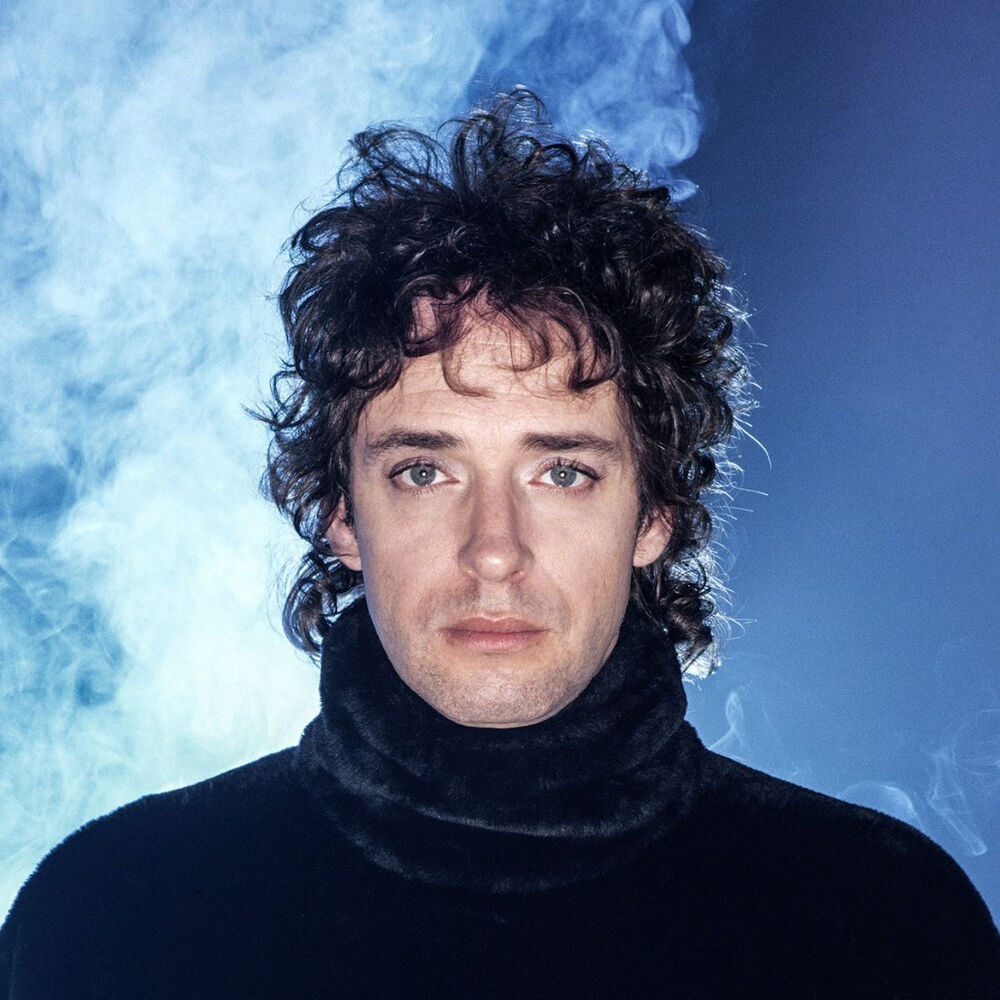
Gustavo Cerati
Listen Gustavo Cerati on radio stations:





Gustavo Cerati: The Architect of Latin Alternative Rock
Gustavo Cerati was an Argentine singer, songwriter, and guitarist who became a foundational figure in Spanish-language rock. As the frontman of the legendary band Soda Stereo, he achieved massive commercial success across Latin America, selling millions of records and defining the sound of a generation.
Early career
Born in Buenos Aires in 1959, Gustavo Cerati began his musical journey in the early 1980s. His first significant project was the band Soda Stereo, which he formed with Héctor "Zeta" Bosio and Charly Alberti in 1982, quickly becoming a central force in the burgeoning Argentine rock scene.
Breakthrough
Soda Stereo's breakthrough came with their 1985 album Nada Personal, which propelled them to continental fame. The band's innovative blend of new wave, pop, and rock, driven by Cerati's distinctive guitar work and vocals, cemented their status, leading to multi-platinum certifications for albums like Canción Animal (1990) and Dynamo (1992).
Key tracks
De Música Ligera - This Soda Stereo anthem remains one of the most iconic rock songs in Spanish, a staple of their live performances and a cultural touchstone.
Persiana Americana - An early hit that showcased the band's sophisticated new wave influences and helped establish their signature sound.
En la Ciudad de la Furia - A landmark track from Doble Vida noted for its atmospheric production and poetic lyrics, highlighting Cerati's artistic growth.
Crimen - A powerful rock ballad from Canción Animal that demonstrated the band's harder edge and emotional depth.
Puente - From his solo album Bocanada, this song marked his successful post-Soda direction into more electronic and experimental territory.
Following Soda Stereo's dissolution in 1997, Cerati embarked on a critically acclaimed solo career. His 1999 solo debut Bocanada was a radical departure, embracing trip-hop and electronica, while later works like Siempre Es Hoy and Ahí Vamos saw him return to guitar-driven rock with a modern flair. He collaborated with artists like Shakira on Pies Descalzos and formed the electronic side project Plan V.
In 2010, after a concert in Caracas, Gustavo Cerati suffered a severe stroke that led to a four-year coma until his passing in 2014. His legacy endures through his vast influence on Latin American rock music. Artists exploring the fusion of rock with electronic and alternative sounds, such as Café Tacvba, share his innovative spirit. The atmospheric and poetic rock of Andrés Calamaro also resonates with Cerati's work, while the experimental pop approach of Juana Molina follows a similarly adventurous path.
Gustavo Cerati's music continues to receive regular airplay on Latin alternative and classic rock radio stations, celebrated for its enduring innovation and emotional power. Listeners can explore the extensive catalog of Gustavo Cerati, from Soda Stereo classics to his solo explorations, through dedicated radio programming focused on iconic Latin rock artists.
