

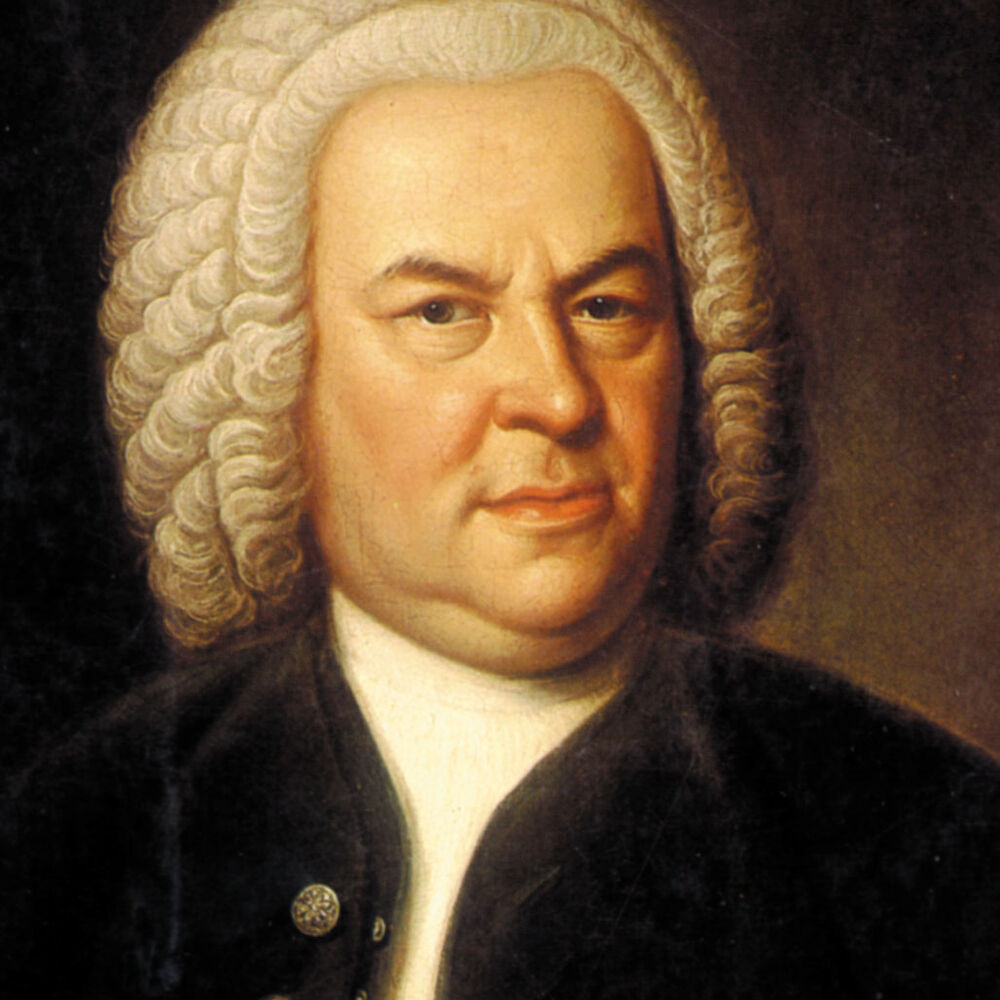
Johann Sebastian Bach
Listen Johann Sebastian Bach on radio stations:


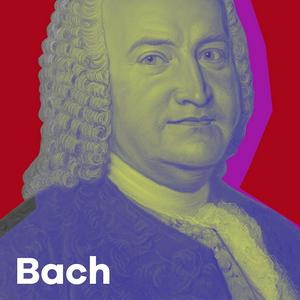




Johann Sebastian Bach: The Baroque Master
Johann Sebastian Bach was a German composer and musician of the Baroque period. His profound body of work, including masterpieces like the Brandenburg Concertos and the Mass in B minor, forms a cornerstone of Western classical music.
Early career
Born in 1685 in Eisenach, Germany, into a family of musicians, Bach was appointed organist at the New Church in Arnstadt in 1703. His early reputation was built on his virtuosic skill as an organist, though his complex compositions sometimes courted controversy with church authorities.
Breakthrough
While widespread fame eluded him during his lifetime, his appointment as Cantor of the St. Thomas School in Leipzig in 1723 marked a key professional peak. This period yielded an immense output of sacred music for the city's churches, including the monumental St. Matthew Passion and over 200 surviving cantatas.
Key tracks
Toccata and Fugue in D minor, BWV 565 - This iconic organ piece is one of the most recognizable works in the classical repertoire, synonymous with dramatic intensity.
Brandenburg Concerto No. 3 in G major, BWV 1048 - A masterpiece from a set dedicated to a noble patron, showcasing Bach's inventive use of instrumental texture and form.
Cello Suite No. 1 in G major, BWV 1007 - The prelude from this suite is a globally recognized piece that helped establish the cello as a solo instrument.
Mass in B minor, BWV 232 - Compiled late in his life, this grand setting is considered a summation of his sacred vocal writing and a pinnacle of the genre.
Bach's influence extends far beyond the Baroque, inspiring composers from Mozart to modern artists. His systematic approach to composition, particularly in works like The Well-Tempered Clavier, helped standardize musical practice for generations.
For listeners exploring the foundations of classical music, the works of George Frideric Handel offer a similarly grand Baroque scale. The intricate counterpoint of Antonio Vivaldi provides a vibrant Italian contrast. Later composers deeply influenced by Bach include Wolfgang Amadeus Mozart, who studied his works, and Ludwig van Beethoven, who called him the "original father of harmony."
