
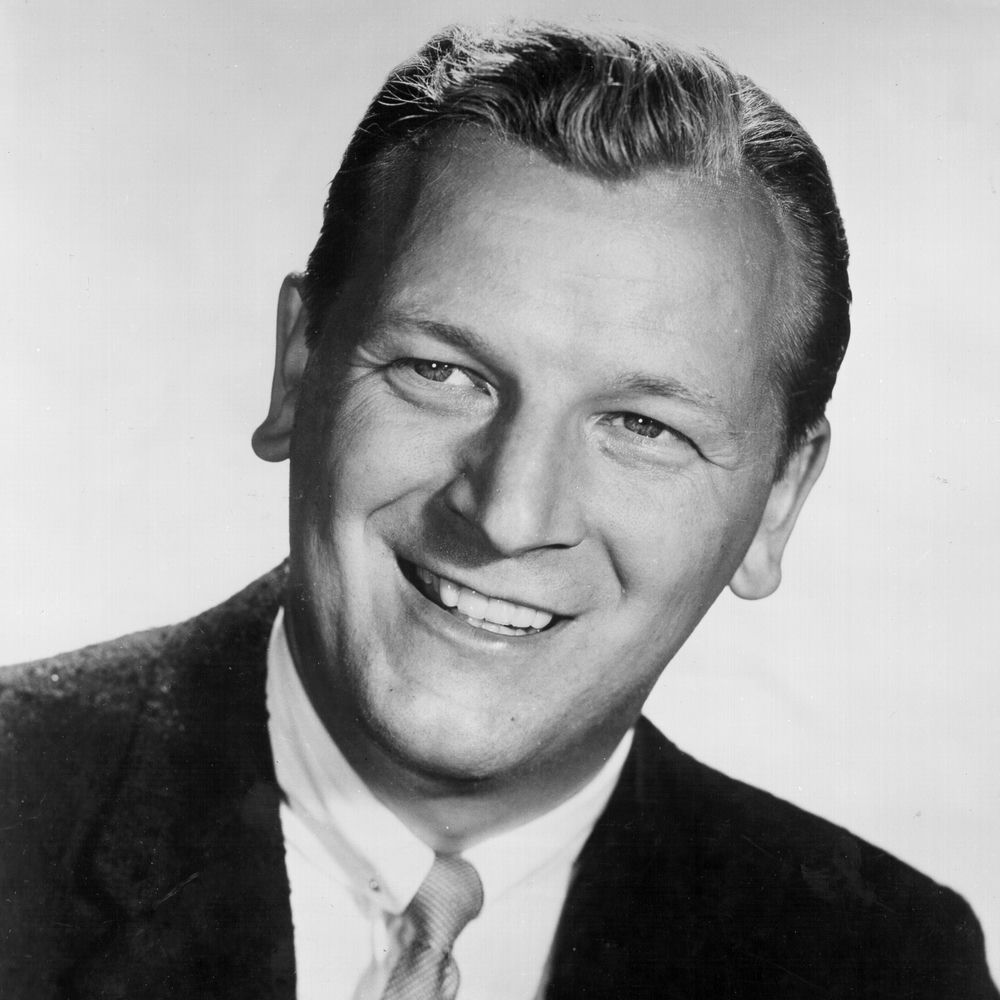
Les Baxter
 United States
Listen Les Baxter on radio stations:


Les Baxter: The Maestro of Exotica and Space Age Pop
Les Baxter was an American composer, arranger, and bandleader who became a foundational architect of the Exotica and Space Age Pop genres. From Hollywood, California, he achieved major commercial success in the 1950s and 1960s, with albums like "Ritual of the Savage" and hit singles such as "The Poor People of Paris" reaching the top of the Billboard charts.
Early career
Born in 1922 in Mexia, Texas, Les Baxter moved to Los Angeles and began his career as a pianist and vocalist for big bands. His early work involved arranging and conducting for Capitol Records artists, where his talent for lush, cinematic orchestration was first honed. This period established his reputation as a versatile and skilled musician within the Hollywood studio system.
Breakthrough
Baxter's breakthrough came in 1951 with his album "Music Out of the Moon," credited to Dr. Samuel J. Hoffman but featuring Baxter's innovative arrangements. His true defining moment arrived in 1951 with the single "The Poor People of Paris," an instrumental adaptation that spent six weeks at number one on the Billboard charts in 1956. This smash hit solidified his position at Capitol Records and opened the door for his pioneering genre work.
Key tracks
The Poor People of Paris — This chart-topping 1956 instrumental cemented Baxter's mainstream popularity and showcased his accessible, melodic arranging style.
Quiet Village — Originally composed by Baxter and later a massive hit for Martin Denny, this track is a quintessential Exotica anthem evoking a lush, imaginary jungle.
Simba — Featured on his landmark album "Ritual of the Savage," this piece exemplifies his use of tribal rhythms, animal sounds, and sweeping strings to create audio escapism.
Ports of Pleasure — A classic from his 1957 album "Ports of Pleasure," it captures the essence of his "jet age" travelogue music, designed to whisk listeners to glamorous global destinations.
Moon Moods — This track from his early space-themed works demonstrates his pioneering use of the theremin and atmospheric textures that defined the Space Age Pop sound.
Throughout the late 1950s and 1960s, Les Baxter released a prolific stream of albums for Capitol like "Tamboo!" and "Skins!" which further explored exotic percussion and themes. He also composed scores for numerous American International Pictures films, including several Roger Corman productions like "The Pit and the Pendulum," successfully transferring his evocative style to cinema. His work directly influenced a generation of artists and helped define the musical aesthetic of tiki culture and mid-century modern living.
For fans of Les Baxter's immersive and transportive soundscapes, several artists explored similar sonic territories. Martin Denny perfected the "jungle jazz" sound Baxter pioneered, often covering his compositions. Esquivel shared Baxter's love for bold, stereo-spectacular arrangements within the Space Age Pop genre. Arthur Lyman further popularized the Exotica sound with his vibraphone-led group, emerging from Denny's band. Yma Sumac collaborated with Baxter, and her extreme vocal range complemented his dramatic, Peruvian-inspired compositions.
Les Baxter's unique catalog remains a staple on specialized radio formats. His music is frequently featured on mid-century modern and lounge music streams, classic pop satellite stations, and online radio channels dedicated to vintage instrumental and exotic sounds. These stations celebrate his role in creating a uniquely American post-war musical fantasy.
The innovative works of Les Baxter can be heard regularly on the radio stations featured here on onairium.com. Listeners can discover the captivating world of Exotica and Space Age Pop by tuning into our curated stations that highlight this influential composer's legacy.