Luigi Boccherini
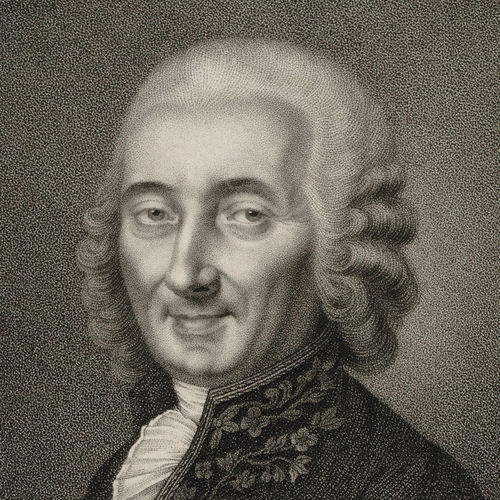
Luigi Boccherini: The Classical Era's Cello Virtuoso
Luigi Boccherini was an Italian composer and cellist of the Classical period, celebrated for his prolific and influential chamber music output. His extensive catalog, particularly his string quintets and cello concertos, has secured his place in the standard repertoire, with his music experiencing a major revival in the 20th century and remaining a staple of classical recordings and performances worldwide.
Early career
Born in 1743 in Lucca, Italy, Boccherini received early training from his father, a double bass player. He honed his skills as a cellist in Rome before embarking on a professional touring career across Europe with his string quartet, a novel ensemble format at the time.
His early compositions gained attention in Vienna and Paris, leading to his first published works, a set of six string quartets, in the late 1760s. This established the foundation for his signature style, which blended Italian lyricism with emerging Classical forms.
Breakthrough
Boccherini's career-defining move came in 1770 when he entered the service of Infante Luis Antonio of Spain in Madrid. This patronage provided the stability for his most fertile creative period, producing hundreds of works including the famous String Quintet in E Major, Op. 11, No. 5 (G 275), which contains the celebrated "Minuet".
His music was widely published by leading European firms like Venier in Paris and Artaria in Vienna, achieving significant circulation. While 18th-century chart positions did not exist, his Opus 11 quintets became a commercial and critical success, cementing his international reputation.
Key tracks
String Quintet in E Major, Op. 11, No. 5 (G 275) — Its third movement "Minuet" is arguably his most recognizable melody, a ubiquitous piece in classical music.
Cello Concerto No. 9 in B-flat Major, G. 482 — A cornerstone of the cello repertoire, showcasing his deep understanding of the instrument's virtuosic and singing capabilities.
String Quintet in C Major, Op. 30, No. 6 (G 324) "Musica notturna delle strade di Madrid" — A brilliantly evocative programmatic work depicting the night sounds of Madrid's streets.
Guitar Quintet No. 4 in D Major, G. 448 "Fandango" — A fiery and popular work that highlights his integration of Spanish folk rhythms into classical form.
Following his patron's death in 1785, Boccherini's circumstances became less secure, though he continued to compose prolifically for new patrons, including King Frederick William II of Prussia. His later works, such as the Stabat Mater and his late string quintets, display a deepening emotional intensity and inventive formal experimentation.
Despite periods of neglect after his death in 1805, the 20th century saw a major Boccherini revival. Landmark recordings by cellists like Maurice Gendron and the establishment of the Boccherini Complete Edition have led to modern "certifications" of a sort, with his works now considered essential classical "catalog" items, consistently re-recorded and streamed millions of times.
For listeners exploring the elegant world of Classical chamber music, several composers offer complementary sounds. Joseph Haydn shares Boccherini's mastery of the string quartet and quintet, with a similarly inventive and prolific output. Wolfgang Amadeus Mozart parallels the Italian's gift for lyrical melody and sophisticated ensemble writing. Antonio Vivaldi represents the preceding Italian Baroque style that influenced Boccherini's concerto forms. Luigi Boccherini himself remains a definitive voice for the cello within the genre.
The music of Luigi Boccherini holds a permanent place in the rotation of classical music radio stations. His quintets and concertos are regularly featured on dedicated classical FM broadcasters and online streams specializing in Baroque and Classical era repertoire, providing the perfect soundtrack for refined listening.
Listeners can explore the elegant and vibrant classical works of Luigi Boccherini through the curated playlists of radio stations available on onairium.com, where his quintets and concertos are a staple of the genre's programming.