

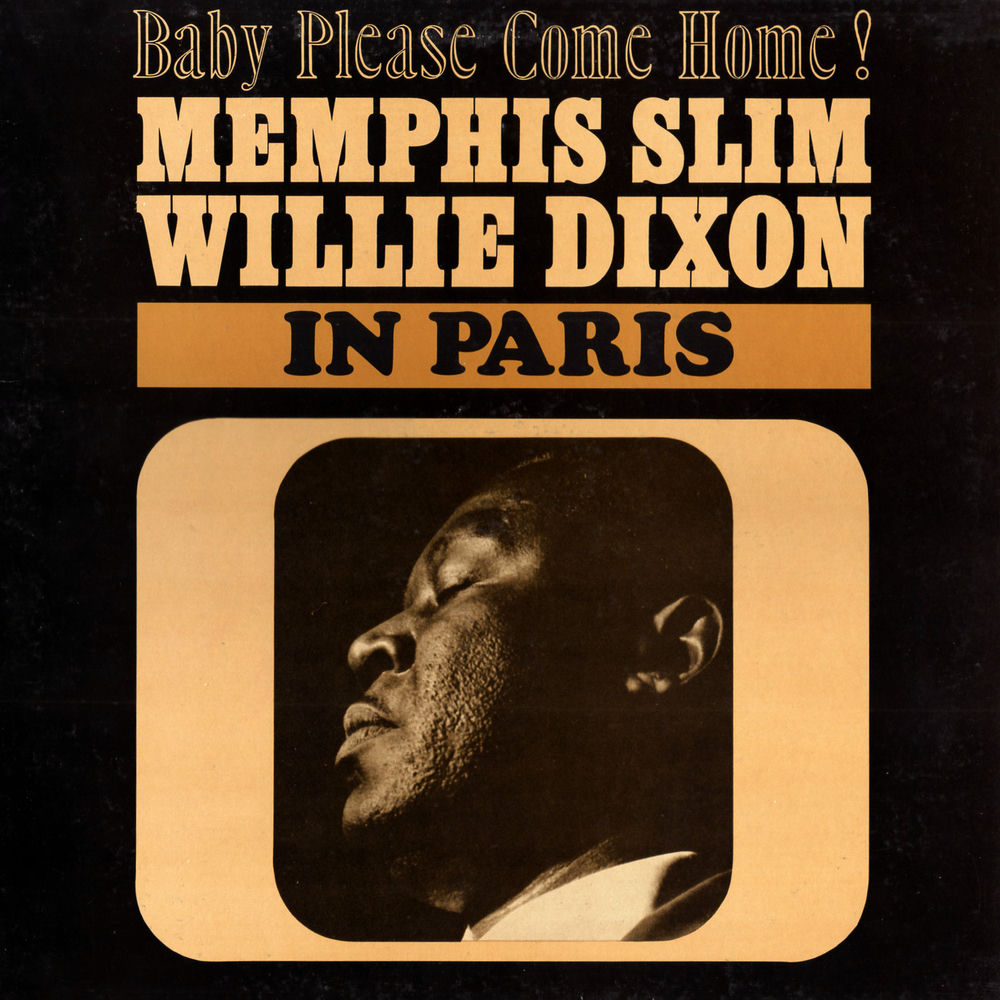


Memphis Slim: The Pillar of Postwar Blues
Memphis Slim was an American blues pianist, singer, and songwriter whose prolific career helped define the Chicago blues sound. Hailing from Memphis, Tennessee, his decades of recording yielded classics like "Every Day I Have the Blues" and a legacy as a foundational artist who successfully exported blues to European audiences.
Early career
Born John Len Chatman in 1915, he began his musical life in the vibrant blues scene of his hometown. By the late 1930s, he had moved to Chicago, adopting the stage name Memphis Slim and becoming a sought-after session pianist for the Bluebird label.
His early work included accompanying blues greats like Big Bill Broonzy. Slim's own recording career accelerated in the 1940s with tracks for the Hy-Tone and Miracle labels, where he began to develop his authoritative piano style and smooth vocal delivery.
Breakthrough
Memphis Slim's major breakthrough came in 1947 with the release of "Messin' Around (With The Blues)" on the Miracle label. This success was solidified in 1949 with the recording of "Nobody Loves Me," which later became universally known as "Every Day I Have the Blues."
The song became a blues standard, covered by countless artists including B.B. King, and established Slim as a major force. His prolific output for the Premium, Mercury, and United labels throughout the 1950s cemented his status as a pillar of the Chicago blues community.
Key tracks
Every Day I Have the Blues — This definitive track became a blues anthem and his most recognized composition, covered by giants like B.B. King and Count Basie.
Messin' Around (With The Blues) — This 1947 hit for Miracle Records served as his commercial breakthrough and a staple of his early repertoire.
Beer Drinking Woman — A prime example of his storytelling prowess and boogie-woogie piano style that became a jukebox favorite.
Mother Earth — This later-career highlight showcased his deep, philosophical songwriting and resonated strongly with the folk and blues revival audience.
In the 1960s, Memphis Slim became a key figure in the American folk blues revival, performing at major festivals and collaborating with Willie Dixon on the 1960 album "Memphis Slim & Willie Dixon at the Village Gate." Seeking broader artistic freedom, he relocated to Paris in 1962, where he found a welcoming and enthusiastic audience for his music.
His European career was remarkably productive, involving recordings with French and British musicians and frequent international touring. He recorded numerous albums for labels like Storyville and GNP Crescendo during this period, acting as a cultural ambassador for the blues until his death in 1988.
Fans of the raw, piano-driven Chicago blues of Memphis Slim should also explore the work of similar artists from the United States. Listen to Big Bill Broonzy for the transitional style between country and urban blues that influenced Slim. The powerful vocals and piano of Otis Spann represent the next generation of Chicago blues keyboardists. For another foundational pianist with a long, influential career, explore Pinetop Perkins. The songwriting and performing partnership of Willie Dixon is also essential, given his direct collaborations with Slim.
Memphis Slim's music remains a staple on dedicated blues radio stations and classic American roots music programs. His tracks are regularly featured on specialty shows focusing on postwar blues, piano masters, and the history of Chicago's music scene across numerous online radio streams.
The enduring recordings of Memphis Slim, a cornerstone of American blues, can be heard on radio stations featured on our website. Listeners can discover his vast catalog and timeless sound through the dedicated blues and roots music stations available on onairium.com.