

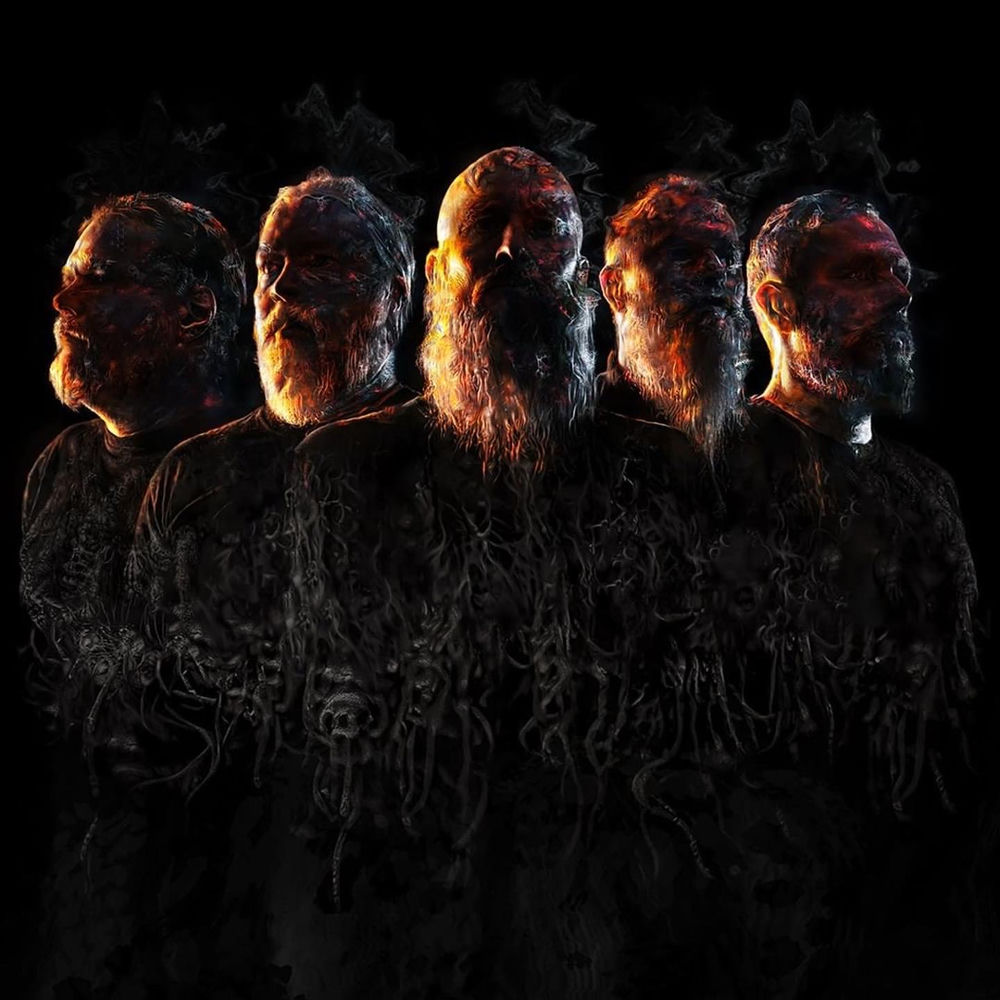
Meshuggah
Listen Meshuggah on radio stations:

Meshuggah: Architects of Extreme Technical Metal
Meshuggah is a Swedish extreme metal band whose complex, polyrhythmic sound has defined the genre of technical and progressive metal for decades. Formed in Umeå in 1987, the group is celebrated for pioneering the use of extended-range eight-string guitars and creating a dense, mechanistic sonic architecture that has influenced countless artists.
Early career
Meshuggah was founded by guitarist Fredrik Thordendal and initially featured a more traditional thrash metal style. The band's first official release was the self-titled EP Meshuggah in 1989, leading to a deal with the German label Nuclear Blast. Their debut full-length album, Contradictions Collapse, arrived in 1991, showcasing a clear development in rhythmic complexity.
Breakthrough
The band's true creative breakthrough came with their 1995 album Destroy Erase Improve, which seamlessly fused jazz-influenced passages with brutal, down-tuned riffs. This release established their signature sound and garnered critical acclaim within the metal underground. Their influence solidified further with the 2002 album Nothing, which was the first to fully utilize custom eight-string guitars, creating a new benchmark for heaviness and texture in metal.
Key tracks
Bleed - This track from 2008's obZen is famed for its incredibly demanding, machine-gun-like rhythmic pattern, becoming a technical benchmark for musicians.
Future Breed Machine - A defining song from Destroy Erase Improve that perfectly encapsulates their early fusion of thrash energy and disjointed, polyrhythmic structures.
New Millennium Cyanide Christ - From 1998's Chaosphere, this song exemplifies their shift towards a more relentless, chaotic, and densely layered sound.
Rational Gaze - The lead single from Nothing highlights the crushing, low-end groove and atmospheric lead work made possible by eight-string guitars.
Clockworks - A later career highlight from 2016's The Violent Sleep of Reason, showcasing their mature, intricate songwriting performed with a deliberate live feel.
Throughout their career, Meshuggah has maintained a consistent lineup, with vocalist Jens Kidman and drummer Tomas Haake serving as central creative forces alongside guitarist Fredrik Thordendal. Their albums, including Catch Thirtythree (2005) and Koloss (2012), are consistently treated as major events in the metal world, dissected for their mathematical precision and immense sonic weight. The band's visual identity, closely tied to the artwork of designer Luminokaya, complements their futuristic and abstract musical themes.
Fans of Meshuggah's intense, rhythmically complex style also explore the work of similar forward-thinking metal acts. The precision and heaviness of Gojira shares a similar philosophical and environmental thematic weight. The dense, atmospheric textures of Cult Of Luna offer a more post-metal oriented approach to massive soundscapes. The technical proficiency and progressive structures of Animals As Leaders continue the exploration of complex instrumental metal. Lastly, the abrasive, chaotic energy of Car Bomb pushes Meshuggah's rhythmic innovations into even more extreme territories.
