

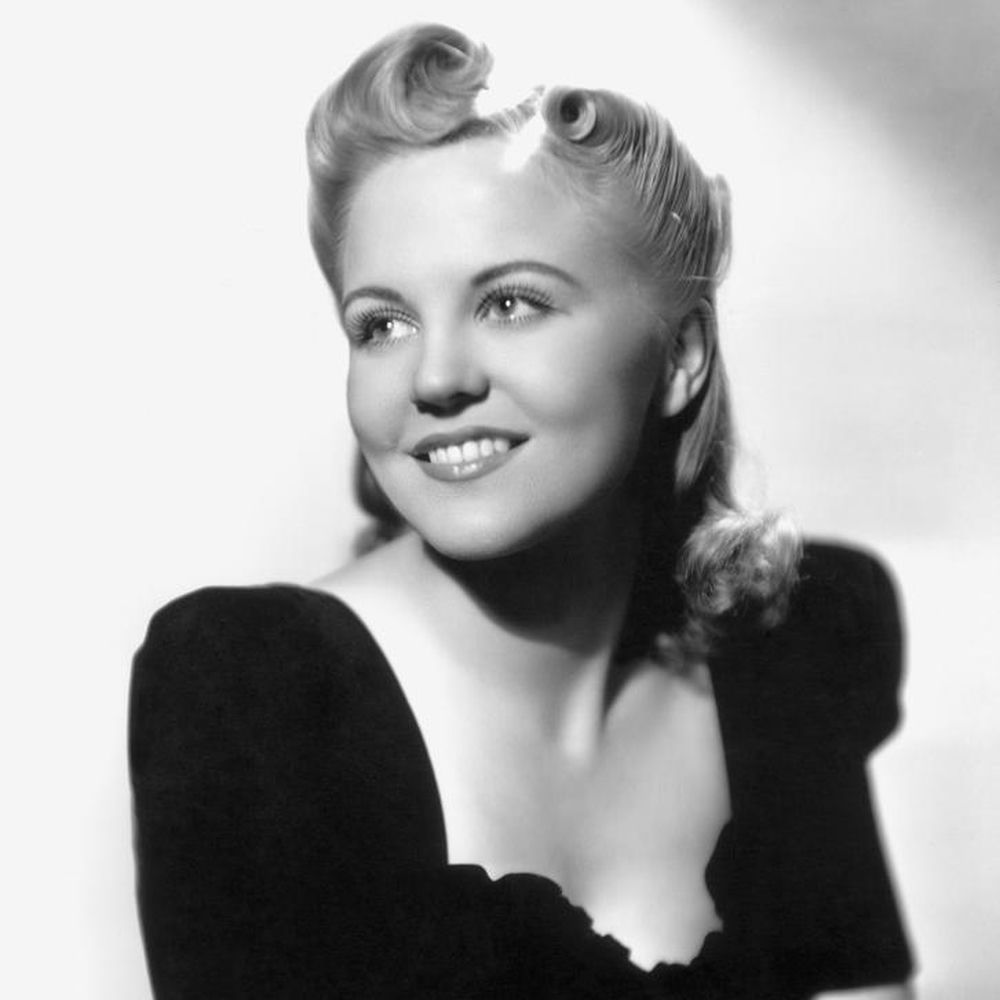
Peggy Lee
Listen Peggy Lee on radio stations:



Peggy Lee: The Timeless Voice of Jazz and Pop
Peggy Lee was an American singer, songwriter, and actress whose sophisticated vocal style and artistic versatility left a lasting mark on 20th-century music. With a career spanning over six decades, she achieved major commercial success, selling millions of records and earning a Grammy Lifetime Achievement Award.
Early Career
Born Norma Deloris Egstrom in 1920 in Jamestown, North Dakota, she began singing professionally on local radio stations. Her big break came in 1941 when bandleader Benny Goodman hired her as a vocalist after hearing her perform in Chicago, launching her into the national spotlight.
Breakthrough
Peggy Lee's tenure with the Benny Goodman Orchestra produced her first major hit, a version of Why Don't You Do Right? in 1942. This success established her as a formidable talent and led to a prolific solo career, with her recordings for the Capitol and Decca labels becoming staples of popular music and jazz.
Key Tracks
Why Don't You Do Right? - This sultry 1942 hit with Benny Goodman's band catapulted her to fame and defined her early, smoky vocal style.
Fever - Her 1958 rendition transformed the song into a minimalist jazz classic, showcasing her cool, rhythmic delivery and co-writing credit.
Is That All There Is? - This dramatic, spoken-sung 1969 track won her a Grammy and demonstrated her profound ability to interpret narrative material.
Black Coffee - The title track from her 1953 album became a signature tune, perfectly encapsulating her blues-tinged, intimate approach to torch songs.
It's a Good Day - A bright, swinging standard from her early solo work that highlighted her skill in uplifting, optimistic material.
Beyond performing, Lee was a gifted songwriter, co-writing songs for Disney's Lady and the Tramp and contributing to many of her own recordings. Her work as an actress earned her an Academy Award nomination for her role in Pete Kelly's Blues.
Artists with a similar blend of jazz elegance and pop sensibility include Ella Fitzgerald, who shared a mastery of phrasing and swing. Frank Sinatra paralleled her career in popular music with a distinct, personal vocal style. Julie London explored a similarly intimate, understated vocal jazz approach. Doris Day also transitioned successfully from big band singer to solo pop and film star.
Her influential catalog continues to be celebrated on classic jazz and American standards radio formats, where her voice remains a benchmark of musical intelligence and style.
The music of Peggy Lee can be heard on radio stations featured on our website, allowing listeners to discover the enduring legacy of this unique artist.
