

Peter Green: The Soulful Architect of British Blues Rock
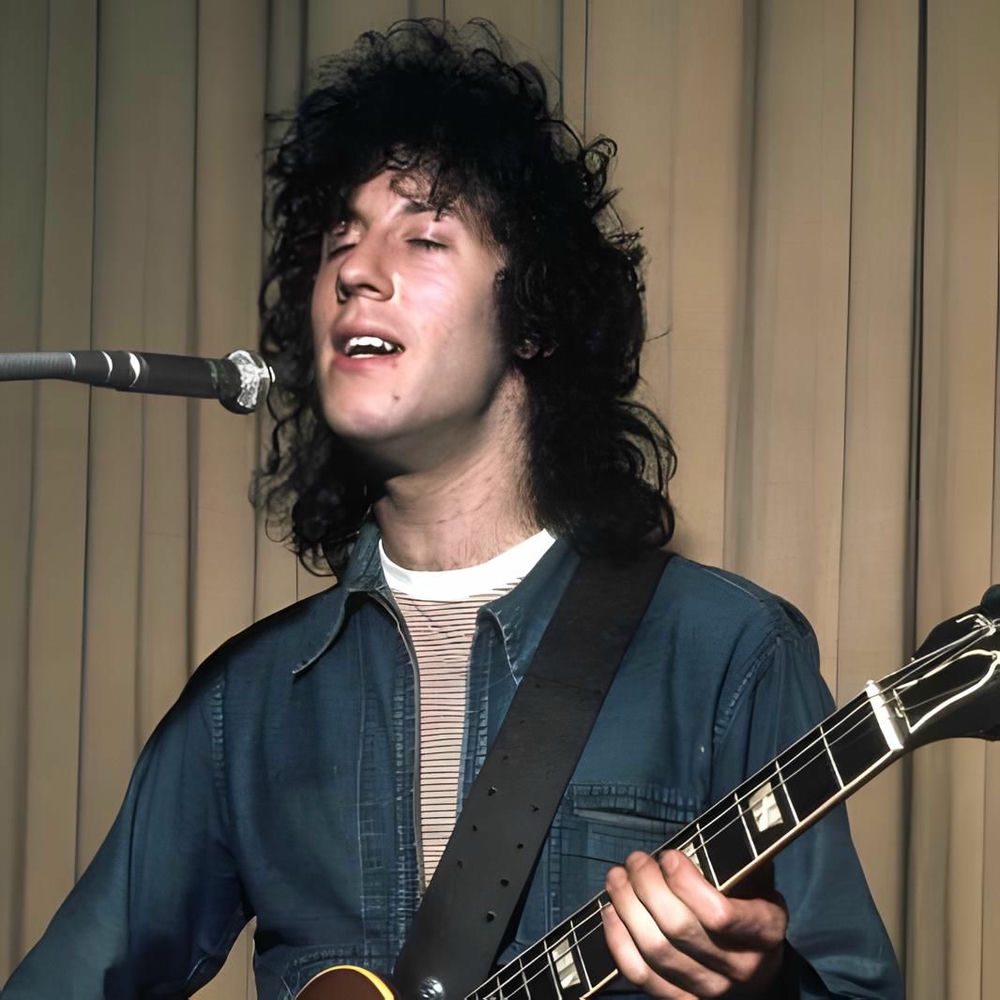
Peter Green was a legendary English guitarist, singer, and songwriter who founded the seminal blues rock band Fleetwood Mac. Hailing from London, his most significant achievement was leading the early incarnation of Fleetwood Mac to massive UK chart success, with the instrumental "Albatross" reaching number one in 1968 and the album "Then Play On" becoming a foundational blues rock record.
Early career
Born Peter Greenbaum in 1946 in London, he began playing guitar as a teenager, deeply influenced by bluesmen like B.B. King. His professional break came in 1966 when he was recruited to replace Eric Clapton in John Mayall's Bluesbreakers, where his fiery yet melodic playing earned him the nickname "The Green God." This stint led to his formation of Fleetwood Mac in 1967 with drummer Mick Fleetwood and bassist John McVie, signing to the Blue Horizon label.
Breakthrough
Fleetwood Mac's breakthrough was swift and decisive in their home country. Their self-titled debut album in 1968 was a pure blues statement that charted in the UK, but it was the haunting single "Albatross" later that year that catapulted them to national fame, topping the UK Singles Chart. This success was solidified by the 1969 album "Then Play On," which showcased Green's songwriting evolution and included the epic "Oh Well."
Key tracks
Albatross — This serene instrumental became the band's first UK number one single, defining their early sound and influencing countless artists.
Black Magic Woman — Written by Green, this song became a global hit after being famously covered by Santana, cementing his songwriting legacy.
Oh Well — A two-part rock epic showcasing Green's dynamic guitar work and the band's hard-edged blues power.
Man of the World — This melancholic 1969 single reached number two in the UK, revealing the introspective depth of Green's lyrics.
The Green Manalishi (With the Two Prong Crown) — A dark, heavy farewell single from 1970 that foreshadowed the metal genre and marked the end of his peak period with the band.
Green's tenure with Fleetwood Mac, though incredibly prolific and successful, was tragically short. After leaving the band in 1970, he struggled with well-documented personal issues that severely limited his musical output for many years. He released several solo albums, including 1979's "In the Skies," and periodically re-emerged for collaborations, such as the 1996 album "A Case for the Blues" with the Splinter Group. His influence, however, remained undimmed, with his tone and phrasing studied by guitarists worldwide.
For fans of Peter Green's emotive guitar style and foundational British blues, explore similar artists featured on our site. The raw power of John Mayall provides the direct lineage from the Bluesbreakers. The early, blues-drenched work of Fleetwood Mac is essential listening. The virtuosic and soulful playing of Eric Clapton shares a similar blues-rock pedigree. For another British guitar legend with a deep feel for the blues, discover Rory Gallagher.
Peter Green's music remains a staple on classic rock FM stations and dedicated blues radio streams, where his timeless guitar work continues to captivate new generations of listeners. His songs are regularly featured in rotations that celebrate the pioneers of the British blues rock movement.
The enduring music of Peter Green can be heard on radio stations featured on our website. Listeners can discover his legendary catalog with Fleetwood Mac and his solo work through the classic rock and blues stations available on onairium.com.