
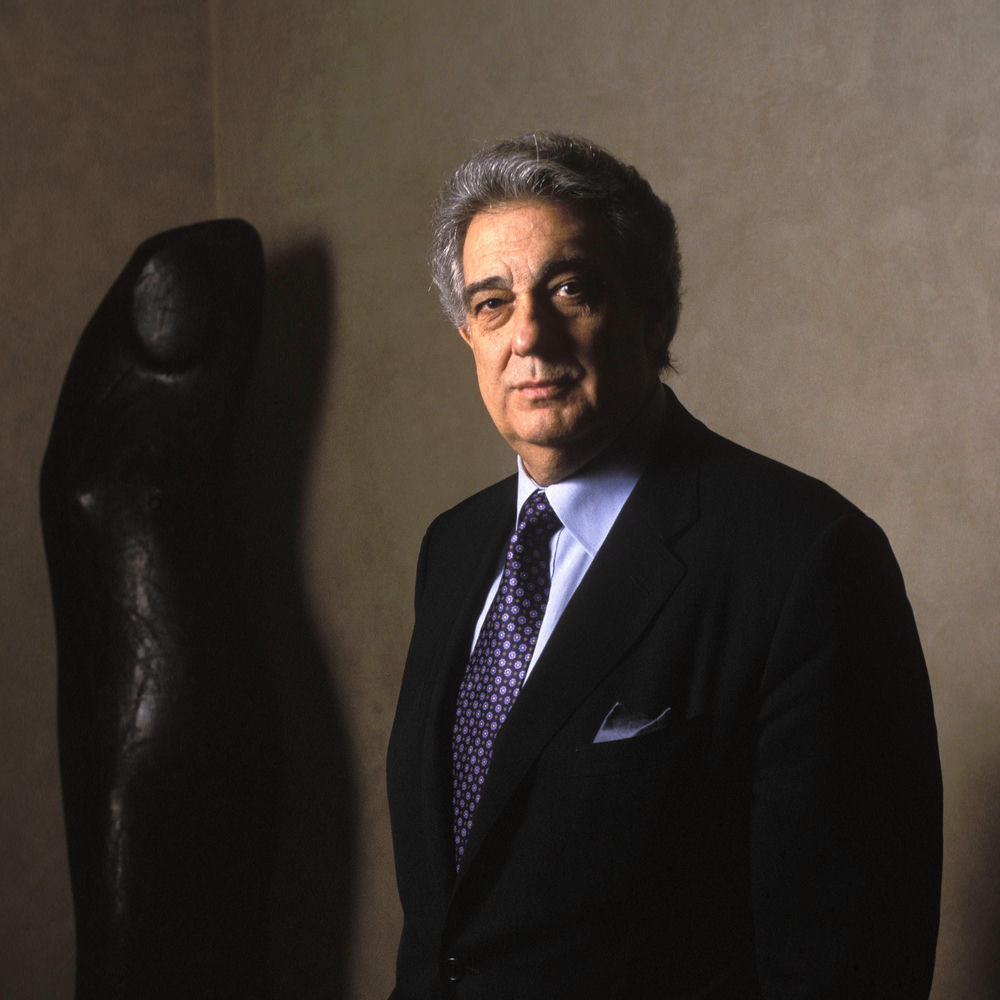
Plácido Domingo: The Tenor Titan of Opera and Classical Crossover
Plácido Domingo is a Spanish operatic tenor, conductor, and arts administrator whose career has defined classical music for over six decades. Hailing from Madrid, his achievement of performing over 150 roles on stage is an unparalleled record in the history of opera.
Early career
Born in 1941, Domingo's family moved to Mexico where his musical journey began. His initial training was in piano and conducting, but he made his operatic debut in 1959 in Mexico City as a baritone before quickly transitioning to tenor roles.
Early engagements with the Israeli National Opera in the mid-1960s provided crucial stage experience. His official recording career launched with labels like RCA Red Seal, capturing his powerful voice in its youthful prime.
Breakthrough
Domingo's international breakthrough crystallized in the 1970s alongside fellow tenors Luciano Pavarotti and José Carreras, forming the media-dubbed "The Three Tenors." His 1974 album "Plácido Domingo Sings Tangos" on Deutsche Grammophon showcased his versatility, reaching audiences beyond the traditional opera house.
A pivotal commercial success was the 1990 "The Three Tenors in Concert" album from their Rome World Cup performance. Released by Decca, it became a global phenomenon, selling millions of copies and achieving multi-platinum status worldwide, introducing opera to a massive mainstream audience.
Key tracks
Nessun dorma — His rendition of this Puccini aria from Turandot became a signature piece, especially in Three Tenors concerts, defining his heroic tenor sound for millions.
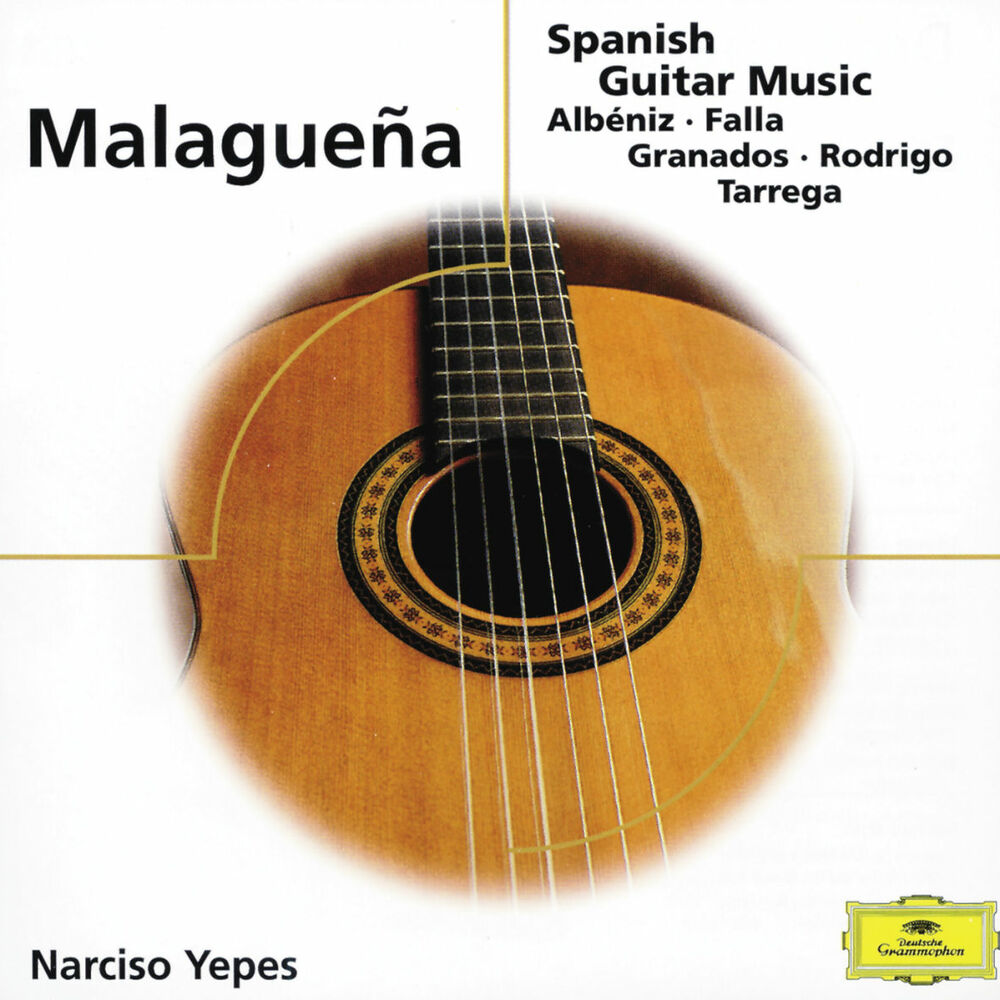
Granada — This vibrant song by Agustín Lara became a staple of Domingo's recitals, perfectly blending his Spanish heritage with his classical technique.
Maybe This Time — From the 1993 "The Broadway I Love" album, this track highlighted his successful foray into American musical theatre, earning gold certification for the album.
Bésame Mucho — His interpretation of this classic bolero on crossover albums connected deeply with Latin music audiences, expanding his reach.
E lucevan le stelle — His performance of this aria from Tosca is often cited as a benchmark for the spinto tenor role, recorded multiple times for major labels like EMI and Deutsche Grammophon.
Domingo's later career saw him take on baritone roles like Simon Boccanegra, demonstrating remarkable vocal longevity. He served as General Director of both the Washington National Opera and the Los Angeles Opera, shaping productions from the podium as a conductor.
His prolific recording output includes hundreds of albums, earning numerous gold and platinum records across genres. Notable collaborations span from pop duets with John Denver on "Perhaps Love" to operatic recordings with sopranos like Renata Scotto and Mirella Freni.
For fans of the operatic genre, other powerful voices from the Spanish-speaking world include Montserrat Caballé, the legendary Spanish soprano known for her bel canto mastery. José Carreras, another member of The Three Tenors, shares Domingo's Catalan roots and lyrical intensity. José Cura is a modern Argentine tenor and conductor who follows in Domingo's versatile footsteps. Victoria de los Ángeles was the celebrated Spanish soprano who frequently performed alongside Domingo in his early career.
Plácido Domingo's vast catalog is a fixture on classical music FM stations and dedicated opera radio streams. His crossover hits ensure airplay on international music channels and fine arts networks, maintaining his presence in the global audio landscape.
The music of Plácido Domingo can be heard on radio stations featured on our website. Listeners can discover his legendary tenor voice through the classical and opera radio stations available on onairium.com.