


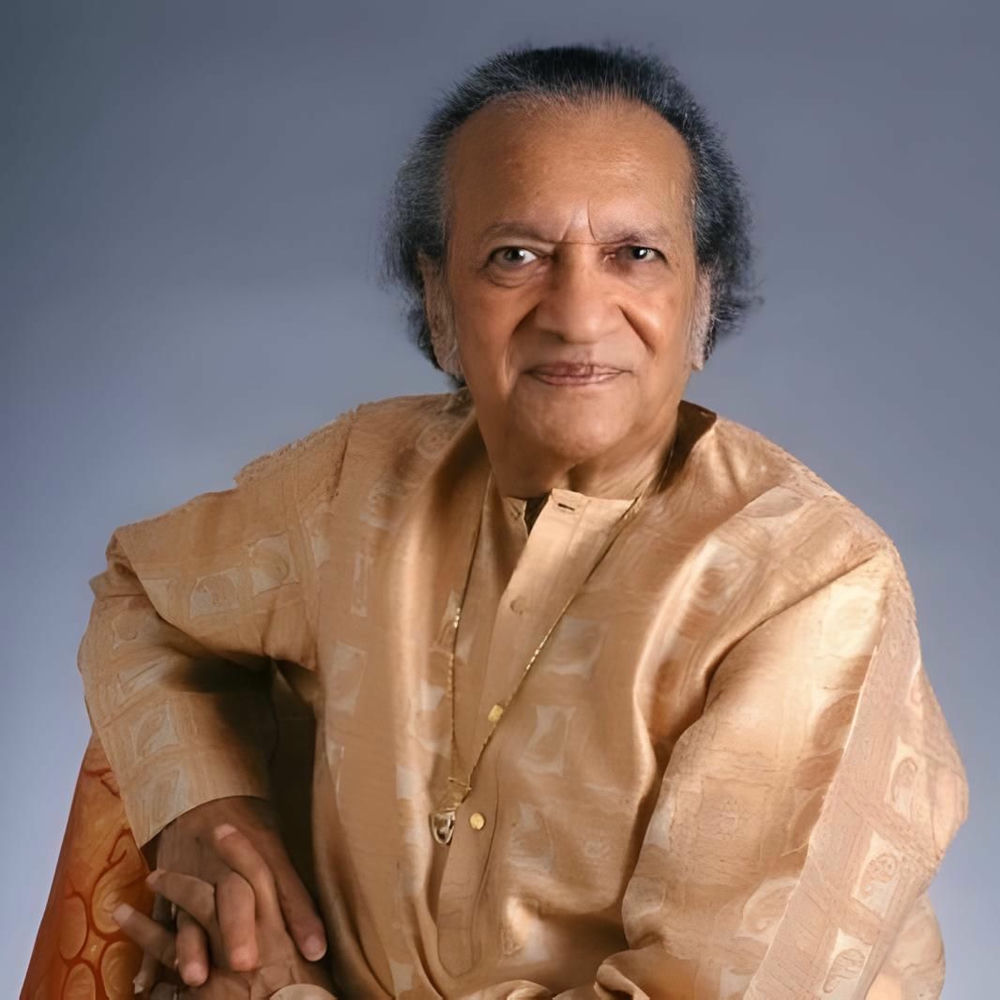


Ravi Shankar: The Sitar Virtuoso Who Defined World Music
Ravi Shankar was an Indian sitar maestro and composer who became the most significant global ambassador for Hindustani classical music. From his origins in Varanasi, India, he achieved a monumental cultural feat by introducing the sitar to Western audiences, influencing generations of musicians and selling millions of records worldwide.
Early career
Born in 1920, Ravi Shankar spent his youth in Paris and on tour with his brother Uday's dance troupe, absorbing Western music early. He returned to India in the 1930s for rigorous, seven-year training under the stern mentorship of Allauddin Khan, a master of the Maihar gharana, which shaped his technical prowess and deep musical philosophy.
His recording career began in the late 1940s, and he soon composed for films and ballet. Shankar's early albums, such as "The Sounds of India" released by Columbia Records in 1958, served as crucial introductory texts for curious international listeners.
Breakthrough
Ravi Shankar's true Western breakthrough crystallized in the mid-1960s through his association with George Harrison of The Beatles. This friendship, coupled with his acclaimed performances at the Monterey Pop Festival (1967) and Woodstock (1969), catapulted him to superstar status. His 1967 album "West Meets East," a collaboration with violinist Yehudi Menuhin, even won a Grammy Award.
Key tracks
Raga Jog — This piece, frequently performed live, showcases Shankar's ability to build profound emotional depth through intricate melodic exploration.
Raga Bhimpalasi — A morning raga often featured on introductory albums, it highlights his precise control and the lyrical, singing quality he could draw from the sitar.
Bangla Dhun — A joyous, folk-inspired composition he famously played at the 1971 Concert for Bangladesh, merging traditional themes with immediate, crowd-pleasing energy.
Raga Puriya Dhanashri — This evening raga exemplifies his mastery of mood and time, a complex piece that defines the spiritual and technical heights of his art.
His influence expanded through major label releases on Apple Records and Dark Horse Records, founded by George Harrison. Shankar's later career included composing concertos for sitar and orchestra, earning three more Grammy Awards, and mentoring his daughter, Anoushka Shankar. He remained a prolific performer and teacher until his passing in 2012.
For those exploring the rich tapestry of Indian classical music, similar artists featured on our site include Ali Akbar Khan — a fellow student of Allauddin Khan and master of the sarod, whose duets with Shankar are legendary. Discover the innovative fusion work of Anoushka Shankar — who carries her father's legacy forward while incorporating contemporary global sounds. The meditative, vocal-driven classical music of Hariprasad Chaurasia — a master of the bansuri bamboo flute, offers another essential pillar of the genre. Finally, the groundbreaking collaborations of Zakir Hussain — the tabla virtuoso who frequently accompanied Shankar and became a global fusion icon himself.
Ravi Shankar's catalog remains a staple on world music and eclectic FM stations, as well as dedicated online radio streams focusing on classical traditions and global fusion. His recordings are regularly featured in special programming blocks celebrating legendary musicians and cultural milestones on independent music radio stations across our network.
You can experience the timeless music of Ravi Shankar on radio stations featured right here on onairium.com. Tune in to discover his vast discography and understand why he remains the definitive bridge between Indian classical music and the world.
