Spitfire
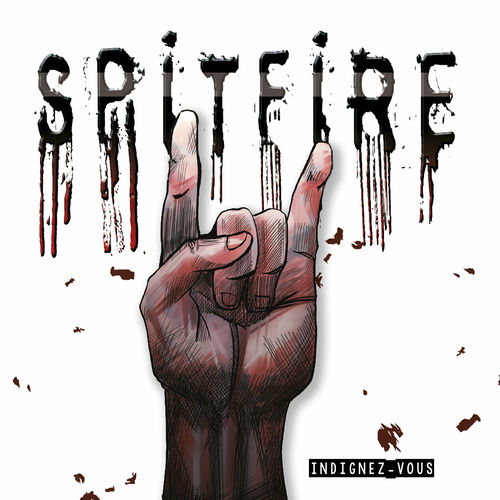
Spitfire: The High-Octane Force of American Metalcore
Spitfire is an American metalcore band from Richmond, Virginia, known for its aggressive, rhythmically complex sound that helped define the early 2000s underground metal scene. The group's most significant achievement was the critical and commercial success of their 2005 album Self-Help, which solidified their reputation as a formidable live act and a key influence on the genre's development.
Early career
Formed in 1998, Spitfire emerged from the fertile Richmond hardcore and metal scene, initially comprising vocalist Matt Beck, guitarists Jay and Lou, bassist John, and drummer Chris. The band's early sound was a raw amalgamation of hardcore punk intensity and metallic precision, which they showcased on their self-released 2000 debut EP, The Dead Next Door. This release caught the attention of the independent label Tribunal Records, which signed the band and released their first full-length album, Cult Fiction, in 2002.
Breakthrough
Spitfire's breakthrough arrived in 2005 with their third studio album, Self-Help, released on the notable metal imprint Ferret Music. The album marked a major evolution in their songwriting, blending dissonant guitar work with more atmospheric elements and Beck's visceral vocal delivery. Self-Help achieved strong sales within the niche metalcore market, moving thousands of units and earning the band featured slots on major tours, effectively expanding their fanbase beyond the underground.
Key tracks
The Dead Next Door — This early track established the band's signature blend of chaotic hardcore and technical metal riffing.
Self-Help — The title track from their breakthrough album showcased a more nuanced, dynamic approach to song structure and melody.
Bloodletting — A fan favorite known for its relentless pace and complex, interlocking guitar patterns that became a staple of their live set.
Sever the Skies — This later track demonstrated the band's continued progression into darker, more expansive sonic territory.
Following Self-Help, Spitfire continued to tour extensively and released the album Spirit Suicide in 2007, further exploring bleak, textured soundscapes. Internal tensions and shifting musical landscapes led to the band entering a period of hiatus after 2008, though their recorded work maintained a cult following. Their influence is frequently cited by a newer generation of metalcore and mathcore bands who admire their uncompromising approach and rhythmic innovation.
Fans of Spitfire's intense, rhythmically charged style often gravitate towards similar acts in the American metalcore scene. Every Time I Die shares a similar foundation in Southern-tinged hardcore chaos and clever lyricism. The Dillinger Escape Plan parallels Spitfire's commitment to extreme technical precision and abrasive sonic experimentation. Norma Jean operates in the same sphere of chaotic, emotionally charged metalcore that defined the mid-2000s era. BOTCH is a clear foundational influence, known for pioneering the dissonant, math-infused hardcore that Spitfire advanced.
The music of Spitfire maintains a steady presence on dedicated rock and metal radio formats. Their tracks are regularly featured on specialty metal shows across online rock radio streams and independent music radio stations that focus on underground and legacy metalcore acts, keeping their aggressive sound alive for both longtime fans and new listeners.
Listeners can explore the powerful discography of Spitfire by tuning into the metal and hardcore stations featured on our website. Discover their influential tracks and experience the intensity of their live recordings through the curated radio stations available on onairium.com.