

Telex
 Brazil
Listen Telex on radio stations:

Telex: The Belgian Electronic Pioneers of Ironic Pop
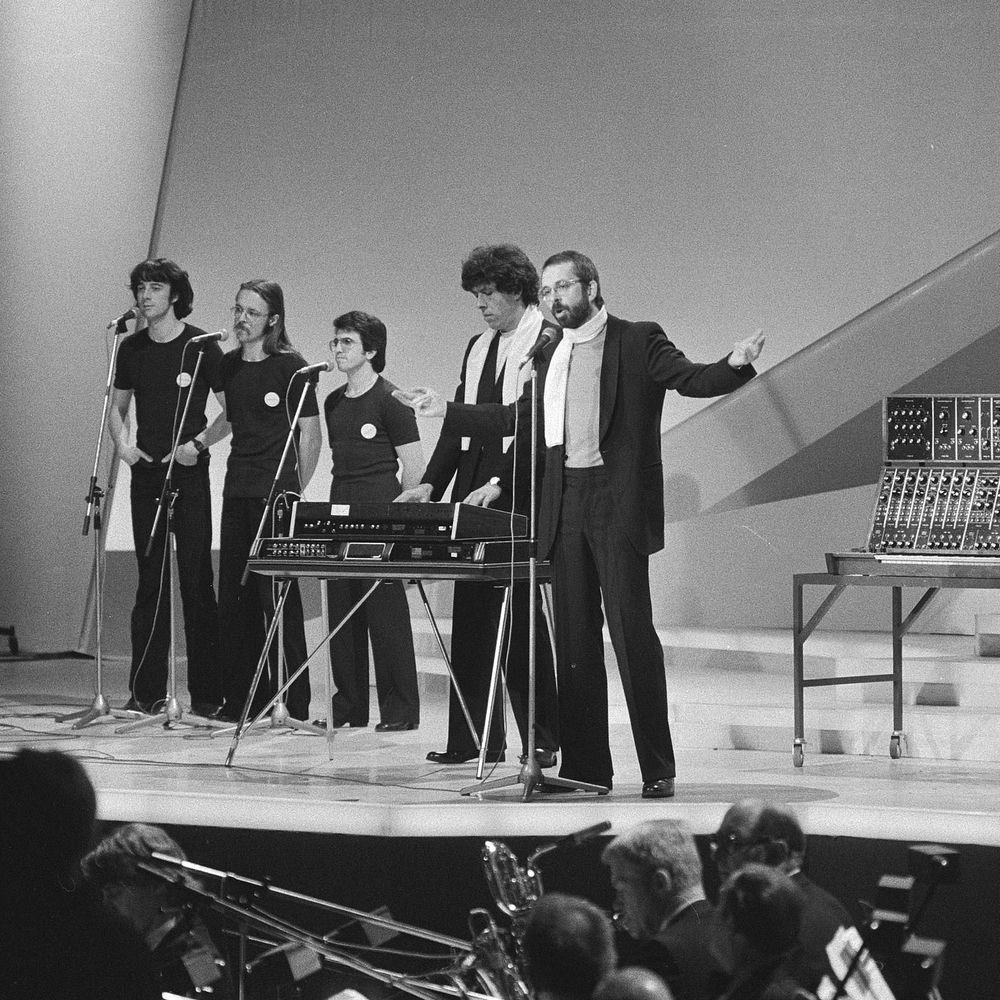
Telex was a Belgian electronic music group that blended synth-pop, disco, and avant-garde experimentation with a distinctive sense of humor. Formed in Brussels in 1978, the trio achieved international recognition and a cult following, most notably with their robotic cover of "Rock Around the Clock" and their participation in the Eurovision Song Contest.
Early career
Telex was formed in 1978 by Marc Moulin, a well-established jazz musician and producer, alongside Dan Lacksman and Michel Moers. Their explicit mission was to "make something really European, different from rock, without guitar." Their first single, "Twist à Saint-Tropez," released on the Belgian label RKM in 1979, immediately set their ironic, minimalist electronic tone.
Breakthrough
The group's self-titled debut album, "Looking for Saint-Tropez," arrived later in 1979. Their breakthrough to a wider, particularly UK, audience came with the single "Moskow Diskow," a driving synth-disco track that became a club hit. This success was solidified by their deliberately slow and deadpan electronic rendition of "Rock Around the Clock," which became a novelty hit across Europe in 1979.
Key tracks
Moskow Diskow — This track from their debut album became an underground club anthem and defined their early synth-disco sound.
Rock Around the Clock — Their robotic cover subverted a rock and roll classic, bringing Telex significant chart attention and notoriety.
Euro-Vision — Representing Belgium in the 1980 Eurovision Song Contest, this meta-commentary on the contest finished 17th but remains a cult favorite.
Haven't We Met Somewhere Before? — A later single from 1988 featuring the vocals of British singer Lio, showcasing a more polished pop direction.
Brainwash — The title track from their 1979 sophomore album demonstrated their more experimental, ambient-leaning capabilities.
Throughout the 1980s, Telex continued to release albums like "Neurovision" (1980) and "Sex" (1989) on labels including Ariola and Atlantic Records, collaborating with artists like Sparks. They took a long hiatus after 1989's "How Do You Dance?" before reuniting for the 2006 album "How Do You Dance?" on EMI Belgium, which compiled new versions of their classics. Their work has been sampled by numerous electronic artists, cementing their influence.
Fans of Telex's pioneering electronic pop should also explore Front 242, another seminal Belgian group who defined the Electronic Body Music genre. The arch synth-pop of Yello shares a similar playful and inventive spirit. Listeners may also appreciate the early work of Kraftwerk, whose foundational electronic aesthetics deeply influenced Telex's approach. The quirky side of new wave is further explored by The B-52s.
The music of Telex maintains a steady rotation on dedicated classic alternative and retro electronic radio stations. Their iconic tracks are staples on specialty shows focusing on 1980s synth-pop, post-punk, and avant-garde dance music across numerous online radio streams. Independent music radio stations with a focus on electronic music history frequently program their innovative work.
You can hear the innovative sounds of Telex on radio stations featured right here on onairium.com. Listeners can discover the Belgian group's unique catalog of ironic electronic pop through the curated classic alternative and electronic music stations available on our platform.
