
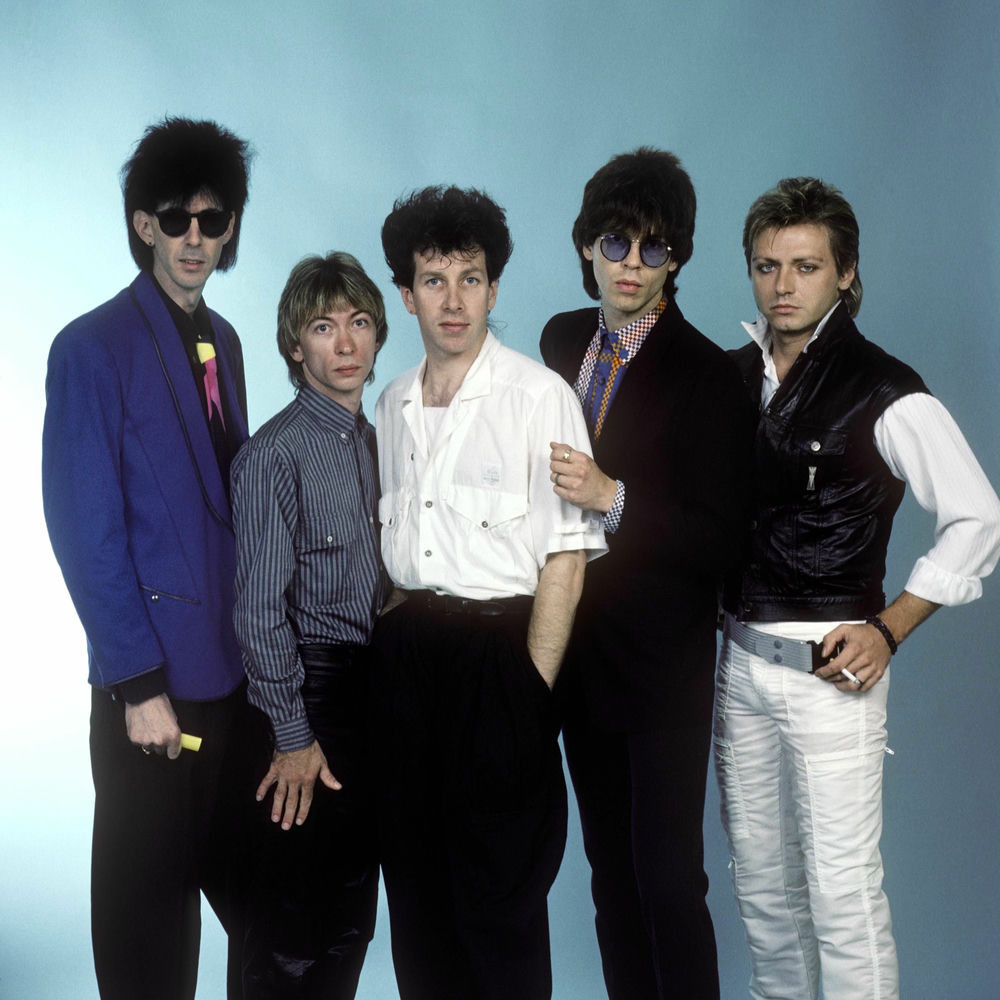
The Cars
Listen The Cars on radio stations:


The Cars: Architects of New Wave and Rock
The Cars were an American rock band that became one of the most successful and influential acts of the late 1970s and 1980s, seamlessly blending rock and roll with the emerging sounds of new wave and power pop. Formed in Boston in 1976, the band achieved major commercial success, selling millions of records and scoring numerous Top 40 hits that defined an era of sleek, synth-driven rock music.
Early Career
The Cars originated from the Boston music scene, coalescing around the songwriting core of rhythm guitarist and vocalist Ric Ocasek and bassist and vocalist Benjamin Orr. The lineup was solidified with the addition of guitarist Elliot Easton, keyboardist Greg Hawkes, and drummer David Robinson. Their self-titled debut album, "The Cars," was released in 1978 on Elektra Records and was an immediate success, propelled by sharp, hook-laden singles that received heavy radio play.
Breakthrough
The band's 1978 debut album served as their breakthrough, establishing their signature sound of staccato rhythms, layered synthesizers, and cool, detached vocals. The album eventually reached multi-platinum status, spending 139 weeks on the Billboard album chart and producing the enduring hits "Just What I Needed," "My Best Friend's Girl," and "Good Times Roll." This success positioned The Cars at the forefront of the new wave movement, making them stars on both album-oriented and Top 40 radio formats.
Key Tracks
Just What I Needed - The lead single from their debut album, it became an instant classic and the band's first major hit, perfectly encapsulating their minimalist, punchy new wave sound.
My Best Friend's Girl - Another standout from the first record, this track showcased Ric Ocasek's clever lyricism and the band's ability to fuse 1950s rock nostalgia with modern production.
Drive - A 1984 ballad sung by Benjamin Orr, it became one of their biggest hits, demonstrating a softer, more atmospheric side and gaining further cultural prominence through its use in a charitable music video.
Shake It Up - The title track from their 1981 album was a definitive pop-rock hit that further cemented their place on the charts and expanded their mainstream audience.
You Might Think - From 1984's "Heartbeat City," this song became a landmark MTV hit, winning Video of the Year at the inaugural MTV Video Music Awards thanks to its innovative visual effects.
Throughout the early 1980s, The Cars maintained their chart dominance with albums like "Candy-O" (1979), "Panorama" (1980), and "Shake It Up" (1981). Their 1984 album "Heartbeat City" marked a commercial peak, spawning several hit singles including "Magic," "Hello Again," and the aforementioned "Drive." The band's sound, a hallmark of new wave and rock, evolved with increasingly polished production while retaining their core identity. After the release of "Door to Door" in 1987, The Cars disbanded, though their music remained a staple on classic rock and retro radio stations. They briefly reunited for a final studio album, "Move Like This," in 2011.
Artists with a similar blend of rock instrumentation and new wave sensibility include Blondie, who also merged punk energy with pop hooks. Talking Heads shared an art-school intellectual approach to rhythm and rock music. The power-pop leanings of Tom Petty and the Heartbreakers often intersected with The Cars' guitar-driven songcraft.
