
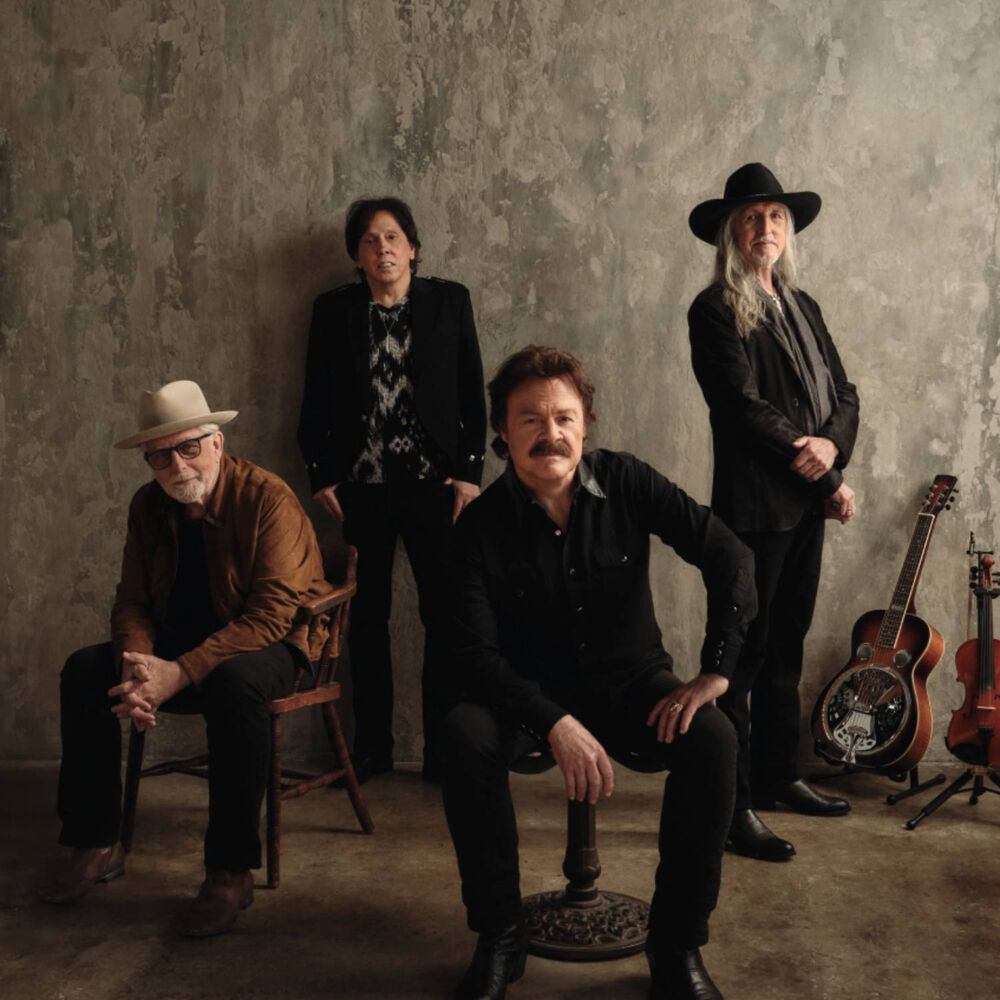
The Doobie Brothers
Listen The Doobie Brothers on radio stations:







The Doobie Brothers: Pioneers of American Rock and Roll
The Doobie Brothers are an American rock band renowned for their seamless fusion of rock, pop, and soul. Formed in San Jose, California in 1970, the group has sold tens of millions of albums worldwide, with multiple chart-topping singles and several multi-platinum certifications defining their enduring career.
Early career
The band's origins trace back to 1970 when guitarist Tom Johnston and drummer John Hartman began playing together in San Jose. They soon recruited bassist Dave Shogren and guitarist Patrick Simmons, adopting the name "The Doobie Brothers" from slang for a marijuana cigarette. Their self-titled debut album in 1971 introduced their boogie-rock sound but achieved only modest success, leading to Shogren's departure and the arrival of bassist Tiran Porter.
Breakthrough
The Doobie Brothers' commercial fortunes changed dramatically with their third album, 1973's The Captain and Me. Released on Warner Bros. Records, the album spawned the hit singles Long Train Runnin' and China Grove, propelling the band to national fame and establishing their signature guitar-driven rock sound. The album was certified platinum and set the stage for even greater success.
Key tracks
Listen to the Music - This 1972 track became an enduring anthem and the band's first top 40 hit, showcasing their harmonious, uplifting sound.
Long Train Runnin' - A definitive rock radio staple from 1973, built around a memorable guitar riff and driving rhythm.
Black Water - This 1974 acoustic-driven, country-tinged song from the album What Were Once Vices Are Now Habits became the band's first number-one single in the US.
What a Fool Believes - Written by Michael McDonald and Kenny Loggins, this 1979 smooth pop-soul track marked the band's stylistic shift and won Grammy Awards for Record of the Year and Song of the Year.
Minute by Minute - The title track from their 1978 album, which won a Grammy for Album of the Year, highlighting the sophisticated pop direction led by Michael McDonald.
The band's sound evolved significantly in the mid-1970s after Tom Johnston's health-related departure, with singer and keyboardist Michael McDonald joining. McDonald's soulful vocals and songwriting steered the group toward a smoother, more jazz-influenced style, resulting in massive hits like Takin' It to the Streets and the multi-platinum album Minute by Minute. The Doobie Brothers disbanded in 1982 but reunited in 1987 with a lineup centered on Johnston and Simmons, returning to their guitar-based roots. They have continued to tour and record, being inducted into the Vocal Group Hall of Fame in 2004 and the Rock and Roll Hall of Fame in 2020.
Fans of The Doobie Brothers' harmonious blend of rock often appreciate the work of The Eagles, who similarly crafted polished California country-rock. The smooth, soulful phase of the Doobies shares musical territory with Steely Dan, known for their jazz-inflected studio perfection. The heartland rock of Tom Petty also connects with the band's earlier, driving guitar work. For the vocal harmonies and melodic sensibilities, listeners might explore America, another successful group from the same era.
The music of The Doobie Brothers remains a fixture on classic rock FM stations, where their catalog of hits from the 1970s and early 1980s receives regular airplay. Their songs are staples on formats celebrating American rock history, ensuring their sound continues to reach new generations of listeners.
Listeners can discover the extensive catalog of The Doobie Brothers through the radio stations featured on our website, where their timeless tracks are frequently broadcast.
