The Four Seasons
 United States
Listen The Four Seasons on radio stations:








The Four Seasons: Architects of the American Pop Rock Sound
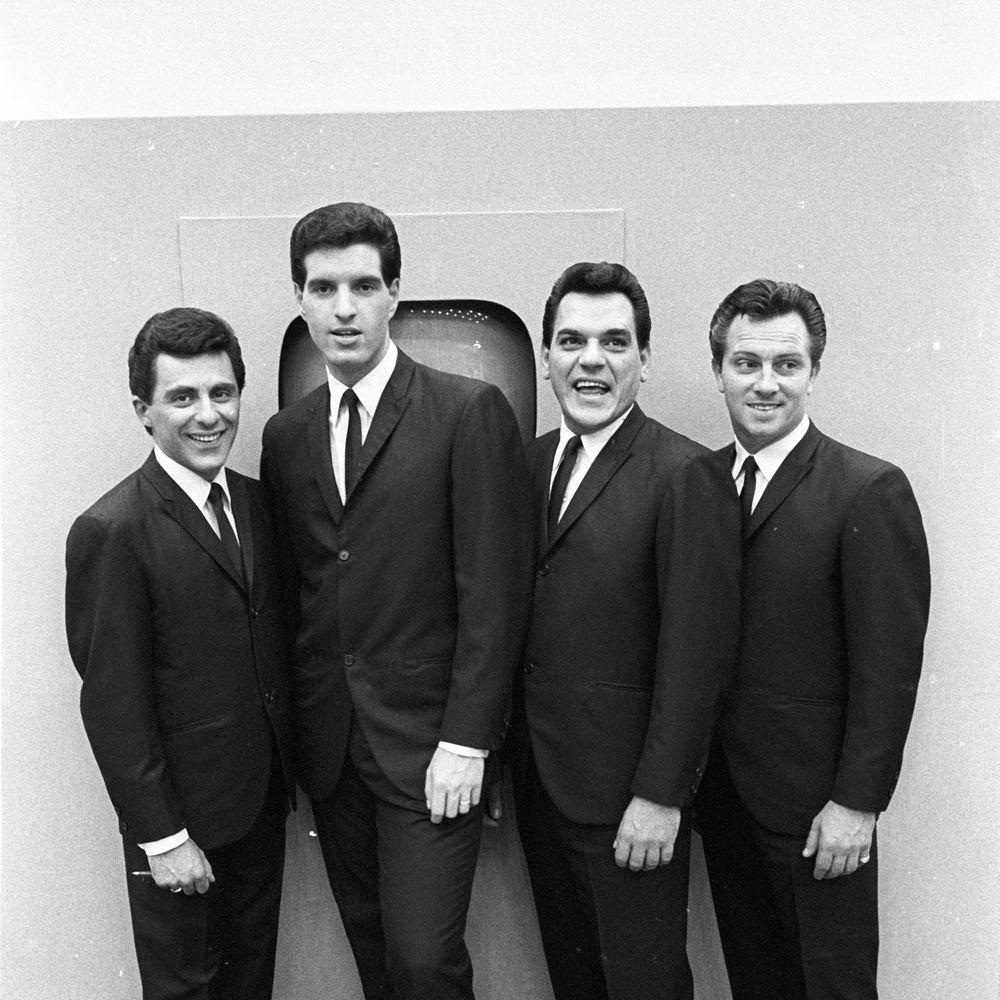
The Four Seasons are an American vocal group whose seamless blend of doo-wop harmonies and pop rock energy defined a generation of music. Hailing from New Jersey, the group, fronted by the distinctive falsetto of Frankie Valli, achieved monumental success with a string of hits in the 1960s and 1970s, selling over 100 million records worldwide and earning induction into the Rock and Roll Hall of Fame.
Early Career
The group's origins trace back to Newark, New Jersey, in the late 1950s, where various members performed under different names like The Variatones and The Four Lovers. Their early sound was rooted in the doo-wop and rock and roll styles popular in urban northern New Jersey. A pivotal change came in 1960 with the addition of songwriter and keyboardist Bob Gaudio, whose partnership with producer Bob Crewe would become the engine for their future success, leading to a contract with Vee-Jay Records.
Breakthrough
The Four Seasons' breakthrough arrived in 1962 with the single "Sherry," which skyrocketed to number one on the Billboard Hot 100. This success was quickly followed by two more chart-toppers, "Big Girls Don't Cry" and "Walk Like a Man," all released that same prolific year. These hits, characterized by Valli's soaring lead and the group's tight harmonies, established The Four Seasons as a dominant force in pop music and defined their signature sound for the decade.
Key Tracks
Sherry - This 1962 debut smash for the group showcased Frankie Valli's iconic falsetto and gave them their first number-one hit.
Big Girls Don't Cry - The group's second consecutive number-one single solidified their status as hitmakers and demonstrated their mastery of emotional pop narratives.
Walk Like a Man - A third chart-topper in 1963, this song introduced a more assertive, rock-influenced beat to their harmonious formula.
Rag Doll - A 1964 number-one hit, this track highlighted the group's ability to craft story-driven songs with a timeless melodic quality.
December, 1963 (Oh, What a Night) - This 1975 disco-influenced smash became one of their biggest-selling singles globally, proving their enduring appeal across changing musical trends.
Throughout the mid-1960s, The Four Seasons continued to score major hits like "Dawn (Go Away)" and "Ronnie," while navigating the British Invasion. Their adaptability was proven later with successful forays into softer pop and even disco, as heard on the *Who Loves You* album. The story of The Four Seasons and Frankie Valli found a new audience in the 21st century through the massively successful Broadway musical *Jersey Boys*, which chronicled their rise, internal struggles, and enduring musical legacy.
Artists with a similar harmonic focus and roots in classic American pop rock include The Beach Boys, who shared a knack for complex vocal arrangements. The Temptations offer a parallel soulful group dynamic from the same era. The work of The Drifters provides a foundational link to the doo-wop and R&B traditions that influenced The Four Seasons' early style.