
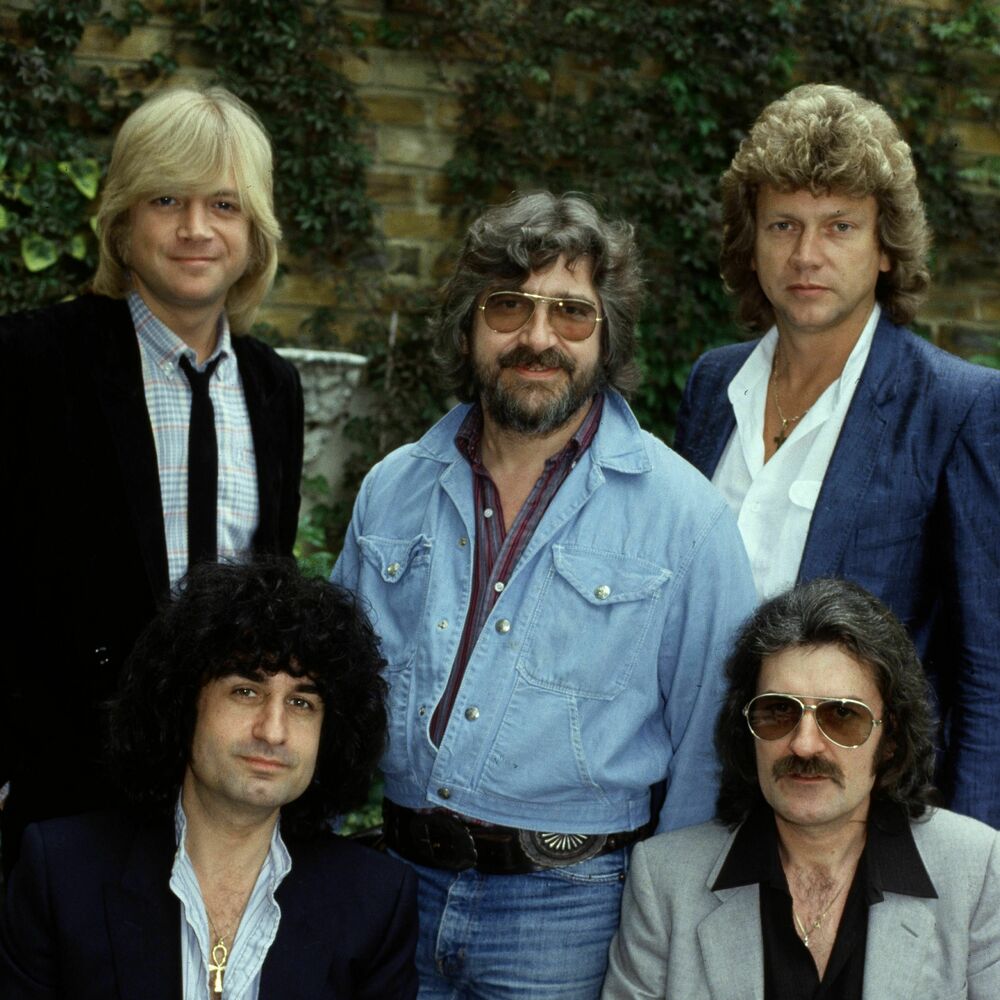
The Moody Blues
Listen The Moody Blues on radio stations:








The Moody Blues: Pioneers of Symphonic Rock
The Moody Blues are an English rock band renowned for their pioneering fusion of orchestral music with rock and roll. Their 1967 album Days of Future Passed stands as a landmark achievement, effectively creating the blueprint for symphonic rock and selling millions of copies worldwide.
Early career
Formed in Birmingham in 1964, the band initially found success as an R&B and beat group. Their early lineup, featuring Denny Laine and Clint Warwick, scored a major hit in 1964 with Go Now, which reached number one in the UK and the top ten in the US.
Breakthrough
The pivotal shift came in 1967 with the recruitment of Justin Hayward and John Lodge, replacing Laine and Warwick. This new lineup, in collaboration with the London Festival Orchestra and producer Tony Clarke, created Days of Future Passed, a concept album that seamlessly wove rock songs with classical interludes.
Key tracks
Nights in White Satin - This epic ballad became the band's signature song, a massive global hit that re-entered charts multiple times over the decades.
Tuesday Afternoon - Another cornerstone from Days of Future Passed, it showcased the band's melodic psychedelic folk-rock sound.
Question - A 1970 single that highlighted their progressive rock ambitions, featuring a rapid-fire acoustic section and a soaring orchestral climax.
I'm Just a Singer (In a Rock and Roll Band) - A 1973 hit that demonstrated their ability to craft concise, hard-driving rock songs alongside their symphonic works.
Your Wildest Dreams - A 1986 comeback single that proved their enduring appeal, becoming a top 10 hit in the US adult contemporary charts.
The band's "core seven" albums from 1967 to 1972, including In Search of the Lost Chord and Seventh Sojourn, defined their classic period. After a hiatus in the mid-1970s, they returned with continued commercial success, particularly in the US, with albums like Long Distance Voyager in 1981. The Moody Blues were inducted into the Rock and Roll Hall of Fame in 2018, cementing their legacy. For fans of The Moody Blues' blend of poetic lyrics and lush arrangements, similar artists include Procol Harum for their classical rock fusion, Yes for their progressive song structures, and The Alan Parsons Project for their conceptual, studio-crafted soundscapes.
