

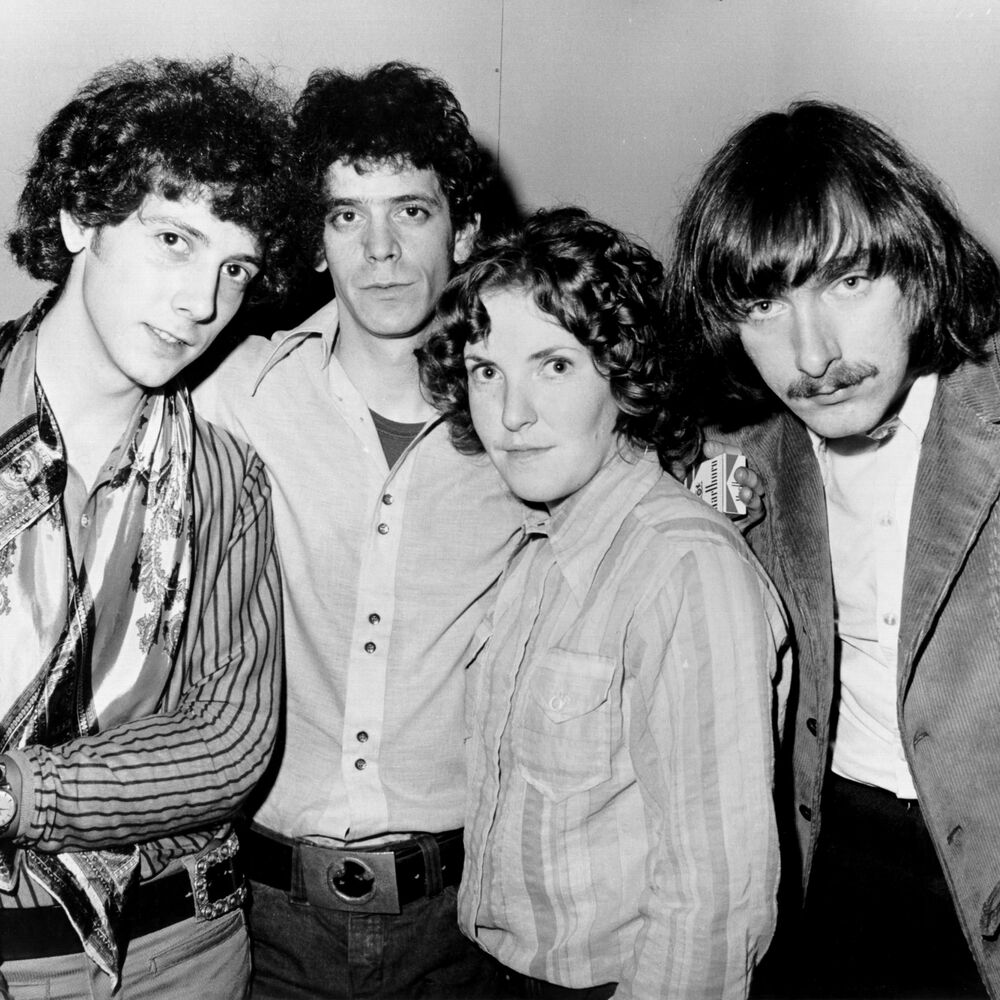
The Velvet Underground
Listen The Velvet Underground on radio stations:






The Velvet Underground: Pioneers of Art Rock and Proto-Punk
The Velvet Underground was an American rock band formed in New York City in 1964, becoming one of the most influential groups in the history of alternative and experimental music. Despite limited commercial success during their initial run, their fusion of avant-garde sensibilities with rock and roll, coupled with lyrical explorations of urban decay and taboo subjects, cemented their legendary status and profound impact on countless subsequent artists across genres like punk, indie rock, and art rock.
Early Career
The band's core formed around the partnership of Lou Reed and John Cale, with Sterling Morrison and Maureen Tucker completing the classic lineup. Their early performances in New York City's underground art scene, particularly at the Café Bizarre, brought them to the attention of artist Andy Warhol, who became their manager and producer. Warhol integrated them into his multimedia Exploding Plastic Inevitable show and insisted they incorporate the German model and singer Nico on their debut album.
Breakthrough
The band's breakthrough was artistic rather than commercial, arriving with their 1967 debut album, *The Velvet Underground & Nico*. Produced by Andy Warhol and featuring its iconic banana cover, the album was a critical and commercial failure upon release but is now universally regarded as a landmark work. Its raw sound, Cale's droning viola, and Reed's unflinching narratives on songs like "Heroin" and "Venus in Furs" created a blueprint for underground rock, with Brian Eno's famous quip that while few bought the album, everyone who did started a band.
Key Tracks
Heroin - This track from their debut album epitomized their experimental approach, using tempo shifts and cacophonous instrumentation to mirror the song's subject matter, challenging rock music's thematic boundaries.
Sister Ray - A nearly 17-minute improvisational jam from their 1968 album *White Light/White Heat*, this song is a cornerstone of noise rock, featuring chaotic guitars, distorted organs, and explicit lyrics.
Pale Blue Eyes - From their 1969 self-titled third album, this quieter, more melodic song showcased Lou Reed's talent for vulnerable and poetic lyricism, highlighting the band's dynamic range.
Sweet Jane - Featured on their 1970 album *Loaded*, this anthemic track became one of their most recognizable songs, illustrating their ability to craft powerful, straightforward rock and roll.
After John Cale's departure following the second album, the band's sound softened somewhat on *The Velvet Underground* (1969) and *Loaded* (1970), the latter recorded for Atlantic Records. Internal tensions and lack of commercial momentum led to Lou Reed's exit in 1970, with the band dissolving after one final album without him, *Squeeze* (1973). The Velvet Underground's legacy grew exponentially in the decades following their breakup, with their albums being critically re-evaluated as masterpieces. Their influence is audible in the work of diverse artists from David Bowie and The Stooges to R.E.M. and Sonic Youth. A brief reunion occurred in the early 1990s, culminating in a live album and European tour.
Artists exploring similar territories of experimental rock, lyrical depth, and raw energy include The Stooges, who channeled a similarly raw, proto-punk energy. Joy Division carried forward the tradition of stark, atmospheric rock with poetic gravity. The art-rock explorations of Talking Heads also owe a debt to the Velvets' blend of intellectualism and rhythm.
