
Travis
 United Kingdom
Listen Travis on radio stations:









Travis: Pioneers of British Melodic Rock
Travis is a Scottish rock band that emerged from Glasgow in the 1990s to become one of the most definitive British guitar groups of their era. Their 1999 sophomore album, The Man Who, achieved immense commercial success, spending multiple weeks at number one in the UK and eventually being certified 9x Platinum.
Early career
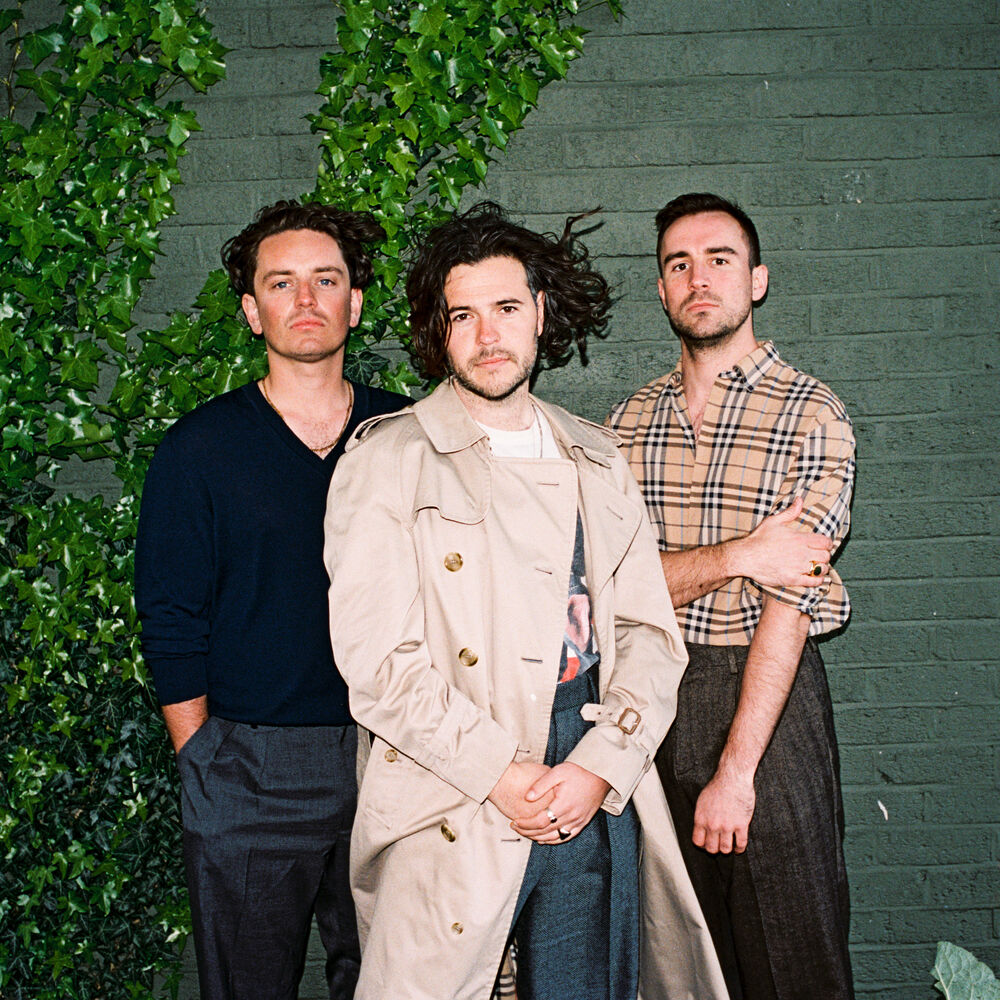
Formed in Glasgow in 1990, the band originally consisted of Fran Healy (vocals, guitar), Andy Dunlop (guitar), Dougie Payne (bass), and Neil Primrose (drums). After years of honing their sound and building a local following, they signed to the independent label Independiente and released their debut album, Good Feeling, in 1997.
This initial work, produced by Steve Lillywhite, showcased a brasher, more anthemic rock sound compared to their later material. While it reached the UK Top 10, it was their subsequent shift in direction that would define their legacy.
Breakthrough
The band's monumental breakthrough arrived in 1999 with the release of their second album, The Man Who. A stark departure from their debut, the record traded rock bombast for intimate, melancholic songwriting and melodic hooks, perfectly capturing a introspective mood.
Propelled by a series of hit singles, the album slowly climbed the charts, eventually spending 11 non-consecutive weeks at UK number one. Its cultural impact was profound, paving the way for the mainstream success of other emotionally-driven British guitar bands in the new millennium.
Key tracks
Why Does It Always Rain on Me? — This signature ballad became an anthem of resigned optimism and the band's highest-charting UK single, peaking at number two.
Driftwood — A quintessential example of their melodic craft, its gentle acoustic guitar and soaring chorus helped solidify the album's enduring popularity.
Sing — The haunting, minimalist opening track from The Man Who set the album's intimate tone and became a fan favorite and live staple.
Side — Another key single from their breakthrough era, its driving rhythm and memorable melody further cemented the album's dominance on UK radio.
Flowers in the Window — A later-career highlight from 2003's 12 Memories, this optimistic song returned the band to the UK Top 20 after a period of reflection.
The success of The Man Who was followed by 2001's The Invisible Band, which debuted at number one in the UK and continued their run of hit singles like "Sing" and "Side". Subsequent albums like 12 Memories and The Boy with No Name explored more personal and sometimes political themes, while maintaining their core melodic identity. The band has continued to record and tour consistently, releasing their ninth studio album, L.A. Times, in 2024, demonstrating their lasting creative drive.
Artists with a similar melodic and introspective approach to British guitar rock include Coldplay, who followed in the atmospheric, emotionally resonant path Travis helped clear. Stereophonics share a foundation in 90s British rock, though with a more direct, story-telling edge. The heartfelt songwriting of Keane also draws a clear lineage from Travis's piano-inflected anthems. For the melancholic side of their sound, listeners often connect with Radiohead, particularly the more accessible guitar-based work from their The Bends era.
Travis remains a staple on radio stations that champion classic and alternative rock from the UK, frequently featured in the playlists of major FM stations and dedicated online rock streams. Their catalog, especially the era-defining hits from The Man Who, guarantees them regular rotation on stations focused on guitar-driven music from the late 90s and early 2000s.
The music of Travis, from their anthemic early work to their