
Wolfgang Amadeus Mozart
Listen Wolfgang Amadeus Mozart on radio stations:








Wolfgang Amadeus Mozart: The Prodigy of Classical Music
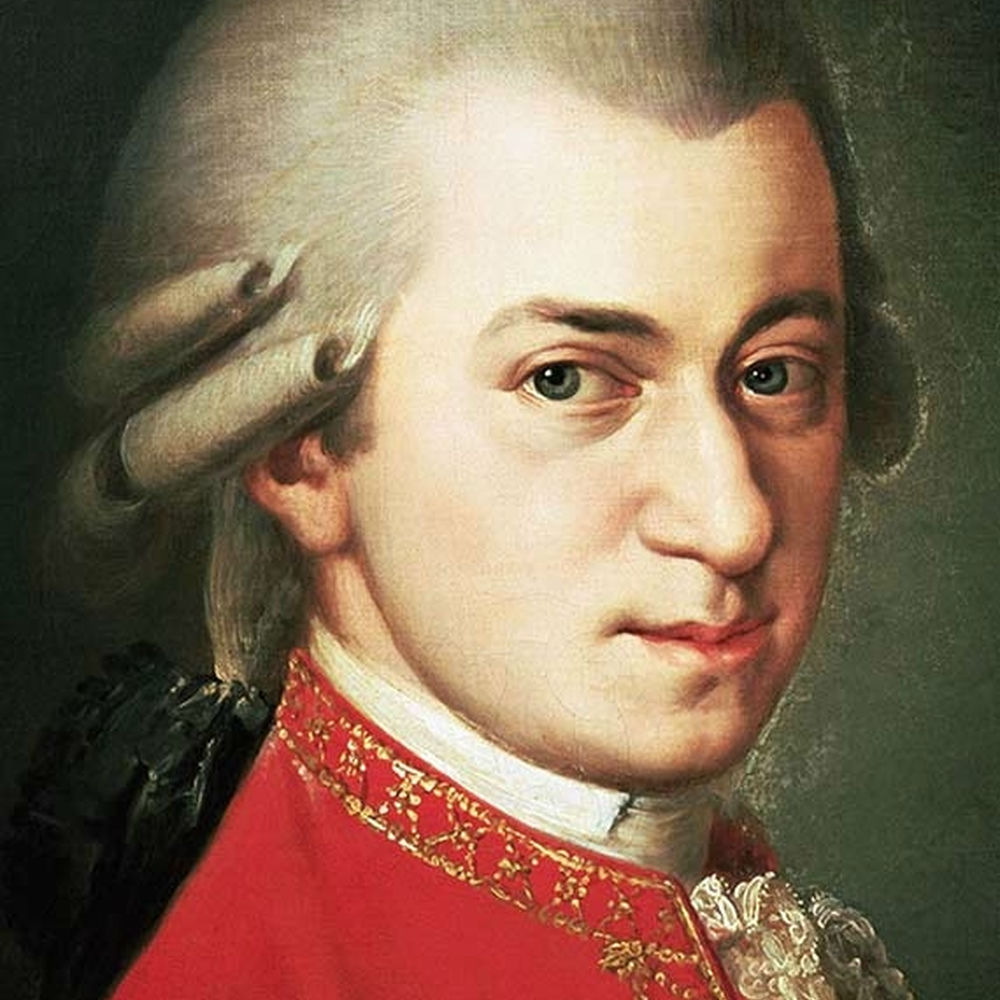
Wolfgang Amadeus Mozart was an Austrian composer of the Classical era whose prolific output and profound influence define Western art music. His compositions, including operas, symphonies, and chamber works, are celebrated for their melodic beauty, formal perfection, and emotional depth, securing his legacy as one of history's most significant musical figures.
Early career
Born in Salzburg in 1756, Mozart displayed extraordinary musical talent from early childhood, performing for European royalty by age five. His father, Leopold, a composer and violinist, extensively documented these formative years, which included the young Mozart composing his first symphonies by the age of eight.
Breakthrough
Mozart's move to Vienna in 1781 marked the beginning of his most mature and successful period as an independent artist. Here, he achieved great acclaim with works like the opera The Marriage of Figaro in 1786 and his final symphonies, though financial security often eluded him despite his artistic triumphs.
Key tracks
Symphony No. 40 in G minor - This symphony is a cornerstone of the orchestral repertoire, renowned for its dramatic intensity and inventive structure.
Eine kleine Nachtmusik - This serenade for strings is arguably one of the most universally recognized pieces of classical music in the world.
The Marriage of Figaro - This opera buffa revolutionized the genre with its sophisticated character development and seamless integration of music and drama.
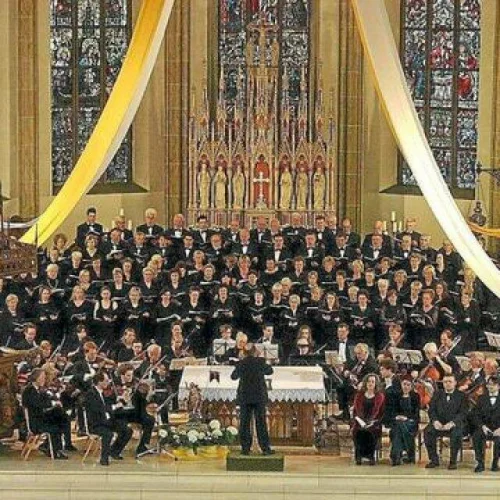
Requiem in D minor - His final, unfinished work, shrouded in mystery, remains a powerful and poignant masterpiece of choral music.
Piano Concerto No. 21 - Exemplifying his mastery of the form, its lyrical second movement is particularly famous in popular culture.
Mozart's later years in Vienna saw the creation of a remarkable series of masterpieces across all genres, from the complex operas Don Giovanni and The Magic Flute to his poignant late symphonies and string quartets. His sudden death in 1791 at the age of 35 left an immense body of work, catalogued chronologically as the Köchel catalogue, which continues to be studied and performed globally.
For listeners exploring the foundations of classical music, the works of Ludwig van Beethoven show the direct influence and expansion of Mozart's forms. Joseph Haydn, a close friend and colleague, shared and developed the Classical style's core principles with Mozart. The elegant compositions of Franz Schubert further carried the Viennese melodic tradition into the Romantic era.
