

Zarah Leander: The Iconic Voice of German Schlager and Film
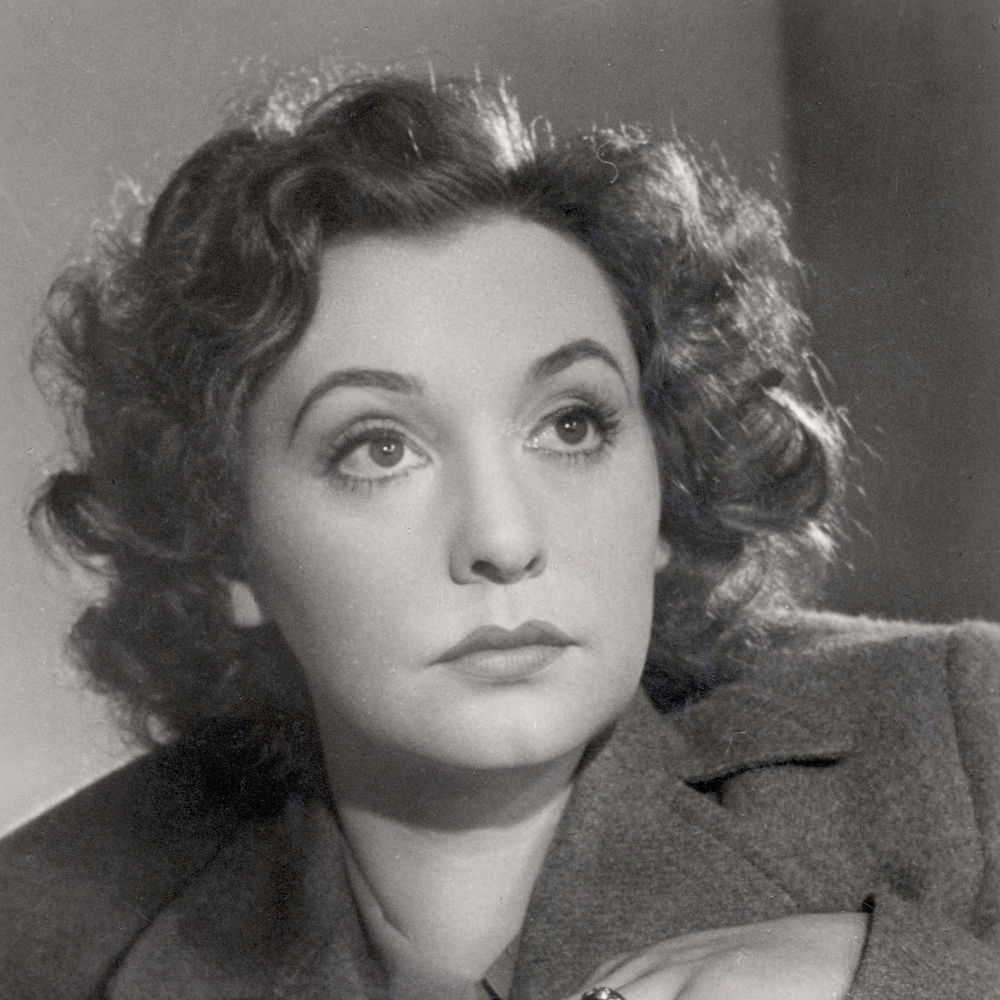
Zarah Leander was a Swedish singer and actress who became one of the most famous and controversial stars of entertainment in Nazi Germany. Her deep, resonant contralto voice and dramatic performances in musical films defined an era, selling millions of records and filling theaters despite the complex political backdrop.
Early Career
Born Sara Stina Hedberg in Karlstad, Sweden in 1907, she began her career on stage in her home country and in neighboring Norway. Adopting the stage name Zarah Leander, she initially found success in operetta and revue, establishing herself as a compelling theatrical performer before her talents caught the attention of international film producers.
Breakthrough
Leander's major breakthrough came in 1936 when she was recruited by Germany's Universum Film AG (UFA). Her first German film, Zu neuen Ufern (1937), was a massive hit, cementing her status as a top box-office draw. The soundtrack songs from her films, released as records, achieved enormous commercial success, with several becoming signature hits that sold in the hundreds of thousands.
Key Tracks
Davon geht die Welt nicht unter - This song from the 1942 film Die große Liebe became her most famous, ironically symbolizing resilience during World War II.
Ich weiß, es wird einmal ein Wunder gescheh'n - Another defining hit from Die große Liebe, it showcased her powerful, emotive delivery and became a schlager standard.
Der Wind hat mir ein Lied erzählt - This popular track from her early UFA period highlighted her romantic and melancholic style.
Kann denn Liebe Sünde sein? - A quintessential Leander song, it exemplified the dramatic, film-integrated schlager that made her famous.
Following the war, Zarah Leander returned to Sweden and later resumed her career in Germany and Austria, performing on stage and continuing to record. She maintained a loyal audience for her classic catalog, performing her iconic pre-war hits for decades until her death in 1981. Her legacy remains that of a uniquely charismatic performer whose music and film work captured a specific moment in European cultural history.
Fans of Zarah Leander's dramatic schlager and film music might also appreciate the work of Marlene Dietrich, another dominant star of the era with a distinct vocal style. Lale Andersen is known for her similarly timeless hit "Lili Marleen." For listeners interested in later German-language schlager, Heintje represents a different, youthful iteration of the popular genre.