
Oil

Oil

Author: BBC World Service September 2, 2019 Duration: 8:59

The price of oil is arguably the most important in the world economy. How did we become so dependent - and are we ever likely to wean ourselves off it?


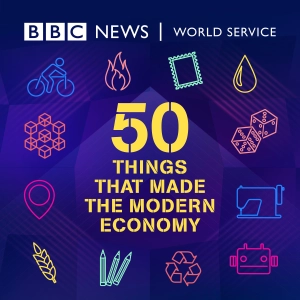
Behind every price tag, spreadsheet, and market fluctuation lies a human story of curiosity, accident, and sometimes sheer stubbornness. In 50 Things That Made the Modern Economy, the BBC World Service presents a journey through the seemingly ordinary objects and concepts that quietly built the world we live in. Host Tim Harford goes far beyond dry economic theory, digging into the surprising origins of things like the plow, the bar code, or the limited liability company. Each episode unpacks how a single invention or idea rippled out, reshaping work, society, and global power structures in ways we rarely stop to consider. You’ll hear how the humble receipt fueled commerce, how the shipping container erased distances, and how double-entry bookkeeping enabled empires. This isn't just a history lesson; it's a series of detective stories that connect the dots between a tangible thing and the abstract forces that govern our daily lives. The podcast makes the invisible architecture of our world visible and compelling, revealing the economic fingerprints on everything from your smartphone to your supermarket shelf. Harford’s engaging storytelling transforms complex topics into accessible and genuinely fascinating narratives, reminding us that the modern economy wasn't built by abstract forces alone, but by concrete things dreamed up by people. Tune in to understand not just how the economy works, but how it came to be.
Author: Language: English Episodes: 100

50 Things That Made the Modern Economy
Podcast Episodes
Cassava [not-audio_url] [/not-audio_url]

Duration: 9:54
Despite being highly toxic, the roots of the cassava plant are a vital source of nutrition in many countries. They also shed light on the hidden social forces that support a modern economy.
Fire [not-audio_url] [/not-audio_url]

Duration: 9:51
Humanity's taming of fire may be where the story of economics really begins, some argue. Tim Harford explores how fire has shaped our world and our minds, and why it's still got some important lessons to teach us.
RFID: The tech you’ve never heard of – but use every day [not-audio_url] [/not-audio_url]

Duration: 10:01
Radio frequency identification - RFID - is the foundation on which many contactless technologies are built. But is it getting left behind amid the "internet of things"? Tim Harford argues its best days may still be to co…
Postage stamp [not-audio_url] [/not-audio_url]

Duration: 10:07
In the mid-19th Century, a man named Rowland Hill got fed up with how Britain's postal service worked, and decided to come up with a new system of his own. It would go on to change the world.
Rubber [not-audio_url] [/not-audio_url]

Duration: 9:59
Rubber is an everyday substance with a controversial past. Tim Harford tells the story of the innovations that made it a hot property, and the surge in demand that led to turmoil and bloodshed in an African colony.
CubeSat [not-audio_url] [/not-audio_url]

Duration: 9:56
CubeSat started life as a student engineering challenge: build a satellite that can fit in a little toy box. But now, as Tim Harford explains, these tiny satellites are changing the way we use space – and economics.
Factory [not-audio_url] [/not-audio_url]

Duration: 8:59
Tim Harford charts the history of the factory, from "dark, Satanic mills" to the sprawling industrial parks where today's consumer goods are assembled. Have factories made workers' lives better - and what does their futu…
Blockchain [not-audio_url] [/not-audio_url]

Duration: 10:32
Billions are being poured into startups working on blockchain, the technology behind Bitcoin. Supporters say it could become as disruptive as the internet. But how can we tell if they're right?
Pencil [not-audio_url] [/not-audio_url]

Duration: 10:25
Is the pencil underrated? Tim Harford examines the role pencils have played in developing our world, and finds out why some writers have called them a "miracle of the free market". Do they have a point?
'Like' button [not-audio_url] [/not-audio_url]

Duration: 8:59
Facebook’s 'like' button is ubiquitous across the web. It’s how user data is collected, meaning adverts and newsfeeds can be targeted more effectively. Some say there’s nothing to worry about, but others point to the Cam…
