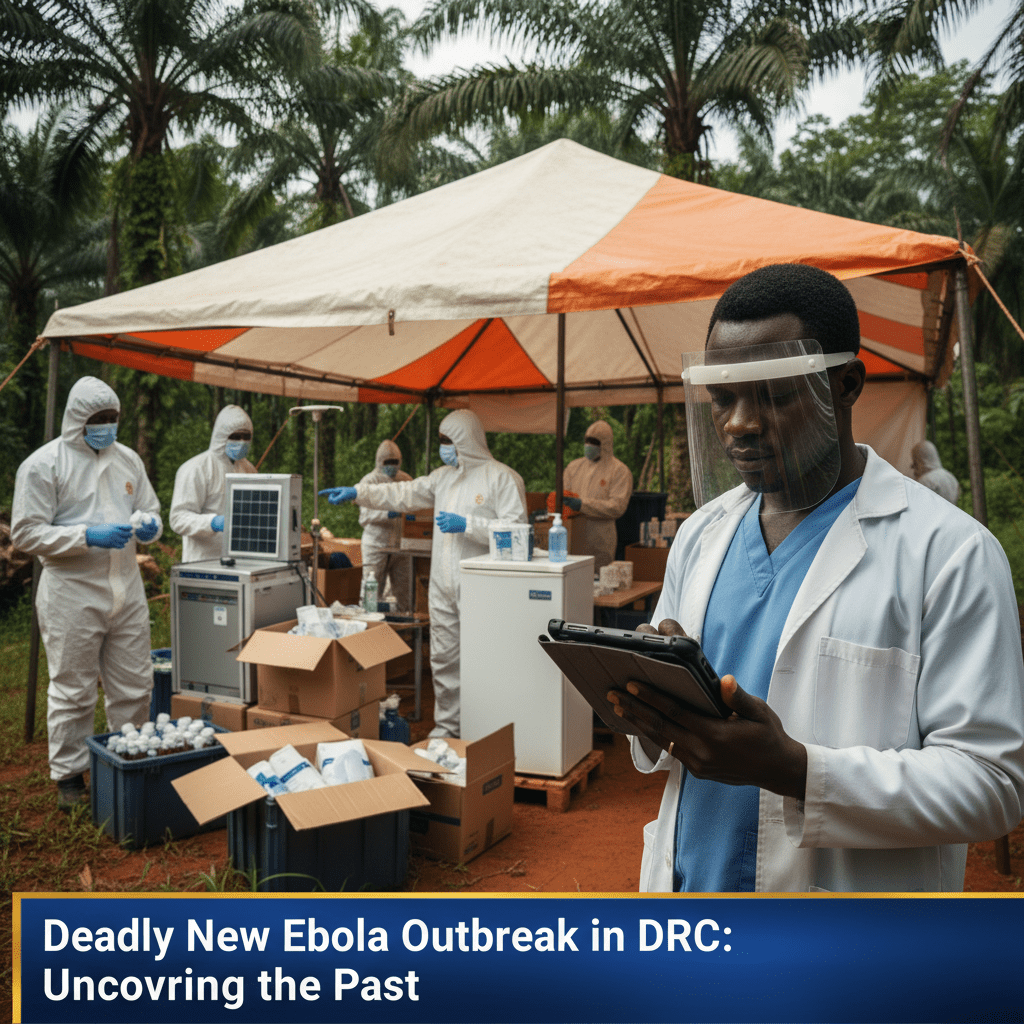
Deadly New Ebola Outbreak in DRC: Uncovering the Past

Deadly New Ebola Outbreak in DRC: Uncovering the Past

Author: African Elements May 15, 2026 Duration: 11:41
Health officials report a new Ebola outbreak in the DRC's Ituri Province. Explore the history of the virus since 1976 and the rise of African health sovereignty. Deadly New Ebola Outbreak in DRC: Uncovering the Past By Darius Spearman (africanelements) Support African Elements at patreon.com/africanelements and hear recent news in a single playlist. Additionally, you can gain early access to ad-free video content. A Sudden Crisis in the Ituri Province On May 15, 2026, international health officials announced deeply troubling news. A new Ebola outbreak in the Democratic Republic of the Congo has claimed 65 lives. The Africa Centres for Disease Control and Prevention reports over 240 suspected cases. This crisis is currently unfolding in the remote Ituri Province. Local health workers are scrambling to contain the dangerous virus. The current outbreak serves as a severe warning to the global community. The world is watching the eastern part of the country with great concern. This situation is the latest chapter in a very long struggle. The disease has continuously haunted the central African region for fifty years (africacdc.org). This headline brings back painful memories of previous health disasters. The media often focuses heavily on the immediate tragedy. However, understanding the deep past is completely essential. The modern medical response looks very different today than it did decades ago. African nations are now firmly leading their own health initiatives. They are building entirely new structures for disease control. The ongoing fight against this lethal pathogen requires constant vigilance. It also demands a deep understanding of the local environment. Furthermore, the Africa CDC immediately convened emergency meetings with health authorities from Uganda and South Sudan. The ultimate goal is to prevent dangerous cross-border transmission (africacdc.org). The Discovery in the Village of Yambuku The documented history of this specific virus begins in 1976. The disease first appeared in the country then known as Zaire. The pathogen is named after the Ebola River. This river flows near the site of the first recognized outbreak. A schoolteacher named Mabalo Lokela was the first identified patient. He lived in the highly remote village of Yambuku. He went to a local mission hospital with a severe fever. Doctors initially mistook his symptoms for a severe case of malaria. His condition rapidly worsened, baffling the local medical staff (wikipedia.org). The 1976 outbreak remains one of the deadliest events on record. The mortality rate reached an astonishing 88 percent. A total of 280 people died out of 318 recorded cases. A young Congolese microbiologist named Jean-Jacques Muyembe-Tamfum investigated the growing crisis. He courageously collected fresh blood samples with his bare hands. He survived the terrifying ordeal and became a world-leading medical expert. Scientists from around the world eventually helped isolate the lethal virus. They received a single blood sample shipped in a simple thermos. Consequently, researchers from Antwerp and the American CDC arrived to help (theguardian.com). Historical Ebola Outbreak Fatality Rates 88% 1976 Zaire 66% 2018 Kivu 26% 2026 Bundibugyo Zoonotic Reservoirs and Hidden Ecological Threats Public health experts know the virus cannot be completely eradicated. The disease exists naturally within the local African environment. Animals act as zoonotic reservoirs for the dangerous pathogen. Fruit bats and insectivorous bats are the primary suspected carriers. The virus lives and reproduces safely inside these specific bats. The bats themselves do not get significantly sick from the infection. The disease then spills over into human populations. This usually happens through direct contact with infected animal fluids (cdc.gov). Environmental changes play a massive role in these deadly spillovers. Logging and deforestation push humans deeper into untouched wildlife

Each morning, African Elements Daily arrives with clarity and context, cutting through the noise to focus on stories and perspectives essential to the Black community and its global diaspora. This isn't just a headlines recap; it’s a considered analysis of current events, policy shifts, and cultural moments, delivered with a perspective often missing from mainstream channels. The commentary digs into the why and how, connecting today’s news to deeper historical and social currents. You’ll hear reporting that prioritizes impact over sensationalism, highlighting both pressing challenges and the ongoing work of community empowerment and innovation. The daily rhythm of this podcast makes it a reliable fixture for anyone committed to a more nuanced understanding of the world. It operates from a simple, powerful premise: that being truly informed is the first, necessary step toward meaningful dialogue and action. Tune in for a consistent, thoughtful take on events that matter, where the narrative is shaped by insight and a clear sense of purpose. The team at African Elements builds each episode to not only keep you updated but to equip you with the context that makes the news make sense.
Author: Language: English Episodes: 25

African Elements Daily
Podcast Episodes
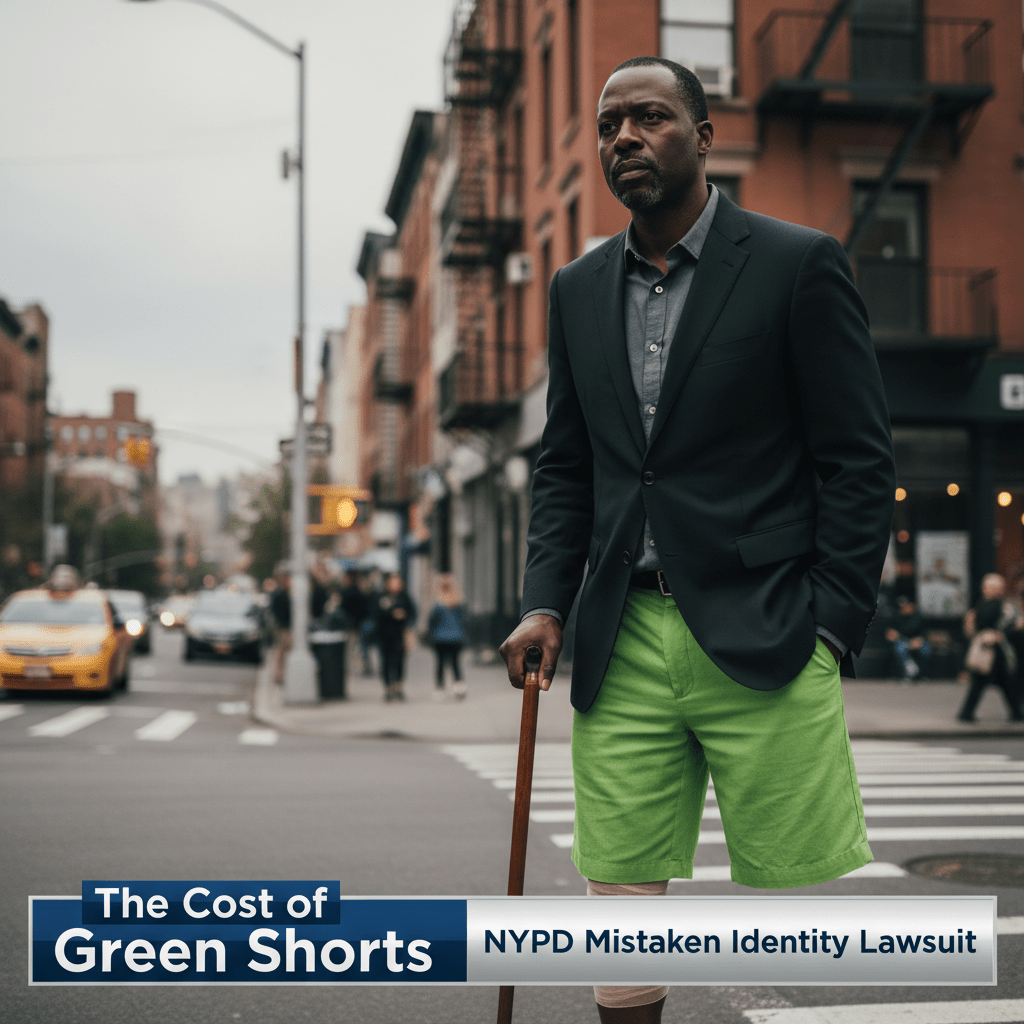
The Cost of Green Shorts: NYPD Mistaken Identity Lawsuit [not-audio_url] [/not-audio_url]

Duration: 12:33
Timothy Brown files a $100M lawsuit against the NYPD after a violent arrest due to mistaken identity. Explore the systemic costs of police misconduct in New York. The Cost of Green Shorts: NYPD Mistaken Identity Lawsuit…
Hidden Truths of the New Black Recession Data [not-audio_url] [/not-audio_url]

Duration: 13:46
Alarming new data reveals a Black Recession as unemployment hits 7.5%. Learn how federal job cuts and policy changes disproportionately impact Black workers. Hidden Truths of the New Black Recession Data By Darius Spearm…
Supreme Court Voting Rights Fallout: A Historic Reversal [not-audio_url] [/not-audio_url]

Duration: 17:37
The Supreme Court's ruling in Callais v. Louisiana threatens Black representation and the Voting Rights Act, putting Southern congressional seats at immediate risk. Supreme Court Voting Rights Fallout: A Historic Reversa…
Mali Rebel Attacks: Kremlin Grip and Exploding Capital [not-audio_url] [/not-audio_url]

Duration: 13:57
Explore the roots of Mali’s conflict, from Tuareg rebellions to the Wagner Group's role, as coordinated rebel attacks strike the heart of the capital city. Mali Rebel Attacks: Kremlin Grip and Exploding Capital By Darius…