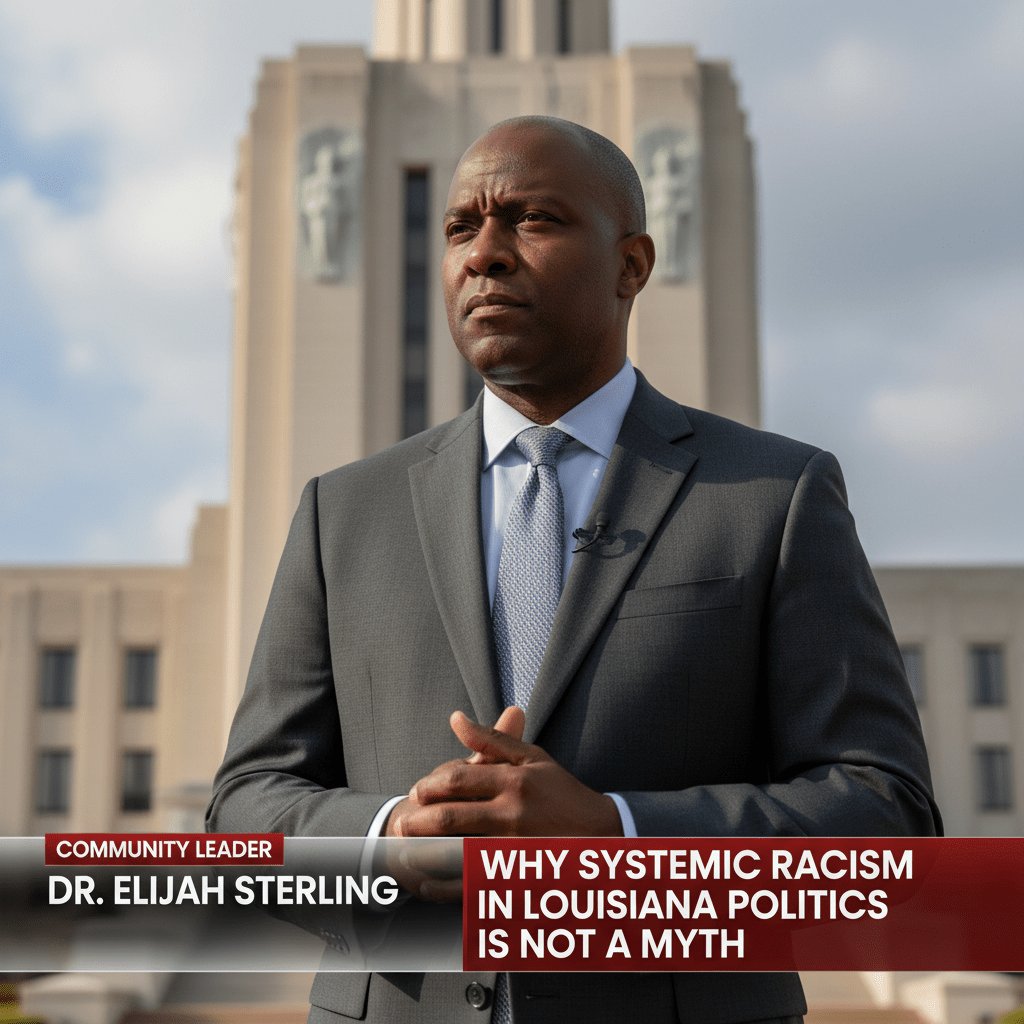
Why Systemic Racism in Louisiana Politics Is Not a Myth
Author: African Elements
May 14, 2026
Duration: 11:04
Deep dive into Backlash Against Louisiana Governor’s "Failed Narrative" Comments: Governor Jeff Landry is facing a national firestorm after dismissing the structural relevance of racism in Louisiana politics as a "failed narrative," leading civil rights groups to label the remarks as "historical gaslighting.".
Why Systemic Racism in Louisiana Politics Is Not a Myth
By Darius Spearman (africanelements)
Support African Elements at patreon.com/africanelements and hear recent news in a single playlist. Additionally, you can gain early access to ad-free video content.
The Spark of the 2026 Controversy
In May 2026, Louisiana Governor Jeff Landry ignited a national firestorm during a high-profile television interview. The governor confidently dismissed the idea that systemic racism plays a structural role in state politics. He referred to the concept as a completely failed narrative. To support his claim, he pointed to the electoral success of Black Republicans and the historic presidency of Barack Obama. He argued that voters across the state are eager to support minority candidates, thereby proving that racial prejudice no longer dictates political outcomes.
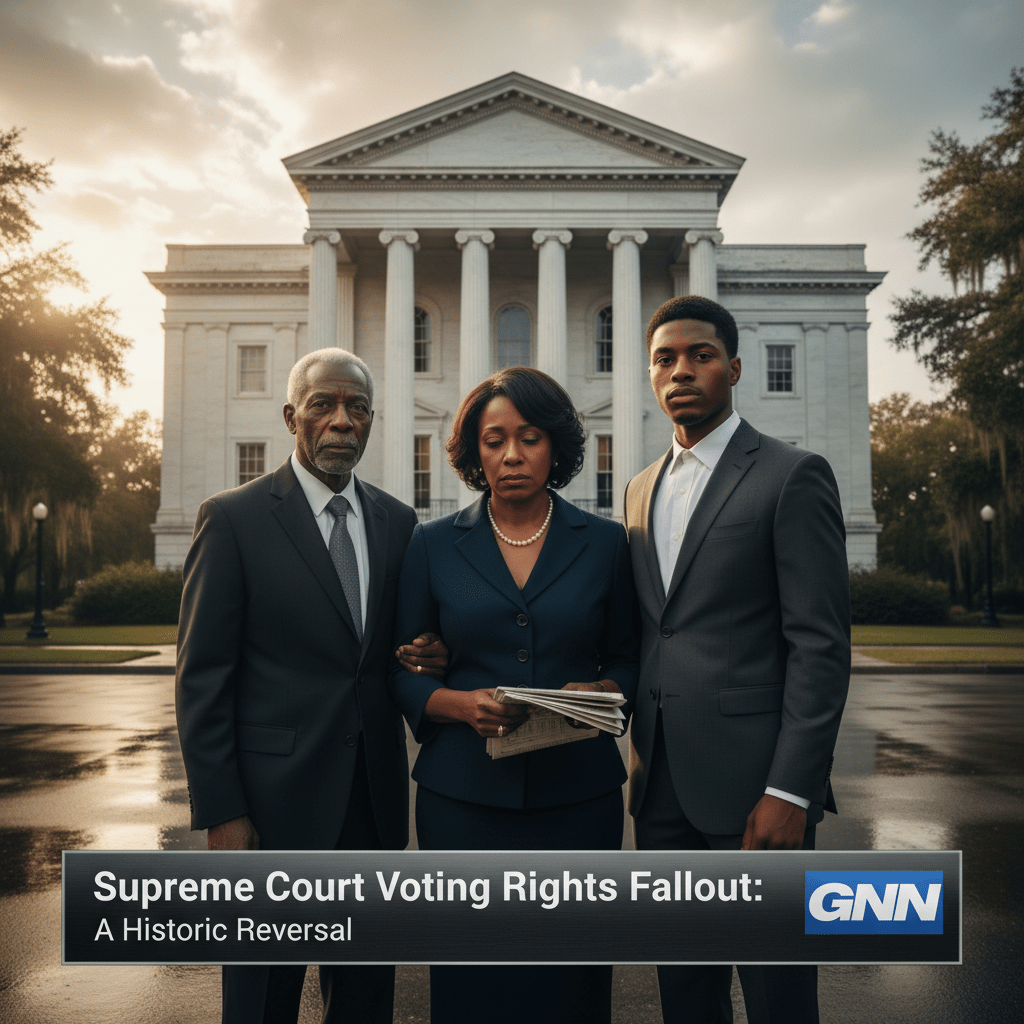
The controversy erupted shortly after a monumental decision by the United States Supreme Court. On April 29, 2026, the Court delivered a sweeping 6–3 ruling in the case of Louisiana v. Callais. The decision struck down a court-ordered congressional map that had established a second majority-Black district. Following this federal ruling, Governor Landry issued an executive order suspending the state congressional primaries. He also oversaw the discarding of approximately 45,000 mail and absentee ballots. State officials justified this drastic action by claiming the ballots were cast under an illegal and unconstitutional map, but civil rights organizations immediately condemned the entire sequence of events (supremecourt.gov, wwltv.com).
The Danger of Historical Gaslighting
Voting rights advocates and civil rights leaders quickly mobilized against the governor and his dismissive comments. Organizations such as the NAACP and the League of Women Voters explicitly labeled the remarks as historical gaslighting. This term describes the intentional manipulation of facts to make marginalized communities question their own well-documented realities. Advocates argue that pointing to a few successful Black politicians completely ignores the deep, institutional barriers that affect millions of everyday citizens.
To fully understand this backlash, one must separate the concept of structural racism from individual prejudice. Personal bias involves conscious or unconscious thoughts held by one person against another. In stark contrast, structural racism refers to a complex web of laws, policies, and institutional practices that routinely produce racially inequitable outcomes. These systems operate continuously regardless of individual intent or malice. By dismissing this reality as a failed narrative, politicians create a convenient justification to remove essential legal protections. When society denies that a structural problem exists, lawmakers feel empowered to dismantle civil rights safeguards (researchgate.net, commondreams.org).
From Reconstruction to Overt Violence
Louisiana possesses a profound history of racial political engineering. Following the conclusion of the Civil War, the state temporarily adopted a remarkably progressive constitution in 1868. This document enfranchised Black men and briefly transformed the regional political landscape. During this era, Louisiana sent Black lawmakers to the federal Congress. The state even witnessed P.B.S. Pinchback serve as the first Black governor in the nation from 1872 to 1873. However, this promising era of diverse representation was tragically short-lived.
A violent and coordinated backlash soon followed, driven by those desperate to reestablish absolute control over the political system. The pushback against minority political