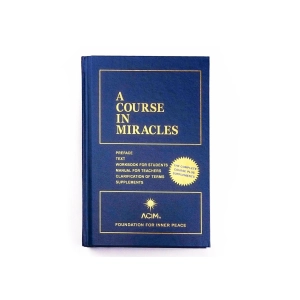
Review of "The Song of Prayer" Text: The group transitioned to discussing their reading material, "The Song of Prayer," which Jevon Perra has read previously but has difficulty recalling. Jevon Perra confirmed they are working through Part One, likely starting on or around verse six.
Interpretation of True Prayer and the Echo: Jevon Perra explained their interpretation of a line from verse three, "you can't ask for the echo because the song is the gift," suggesting that the echo represents the after-effects or external things people desire, such as money or a spa day. The true gift, the song of heaven, is the peace and contentment that they already possess, emphasizing that not one note of this song has ever been missed.
Understanding Prayer as Acceptance and Communion: The discussion moved to verse six, which addresses how those who have not yet reached the level of fearlessly accepted prayer still need help. Jevon Perra highlighted that this type of prayer is not about trying to get God to change things, but rather about releasing judgments or waking up from the dream. Denise Darlene agreed, stating that true prayer is putting oneself in the presence of God—communion—rather than telling God problems.
Prayer as Thanksgiving and the Concept of Namaste: Jevon Perra cited verse seven, explaining that praying to Christ in anyone is true prayer because it is a gift of thanks to the Father, referencing the concept of Namaste as acknowledging the divine presence in others. Denise Darlene noted that the power of prayer lies in it asking for nothing and receiving everything, describing it as a song of thanksgiving for what they already are.
The Goal of Union with God vs. Worldly Achievement: Denise Darlene emphasized that everything God is is already theirs, and prayer is simply union with God, leading to a state of gratitude and bliss. Jevon Perra contrasted this with the worldly "accomplishment game" where people pray to change situations, seeking a desired result they label as "good" and avoiding an undesired result they label as "bad". Denise Darlene affirmed that everything unfolding is for their highest good, even undesired outcomes, because they often do not know their own best interests.
Distinction Between Deserving and Best Interest: Soo Kim discussed their past experience of seeking a raise and being insulted instead, which ultimately led them to leave the company and receive a greater raise elsewhere. Denise Darlene pointed out that they got what they deserved, which was leaving the company, and that the entire sequence of events unfolded perfectly for their highest good. Denise Darlene cautioned against seeking external validation, stating that circumstances reflect what they inherently believe to be true about themselves.
Three Ways to Interpret Life and the Role of Personality: Jevon Perra introduced three ways to interpret life: how to get what they want, how to develop their personality, and "Who am I?". They suggested that non-dual texts point to the third conversation, emphasizing that the personality is not the self, and thus the personality's achievements or failures do not affect the true self. Denise Darlene concluded that the ultimate desire is to awaken to the truth of being one with God, which often happens through adversity and challenges.
The "Strongarming" Approach to Spiritual Practice: Soo Kim expressed an internal conflict, acknowledging the concept of divine union but still clinging to the idea that intense effort or a specific "formula" (like waking up at 3:45 AM for 40 days) is required to achieve desired outcomes. They asked how getting what they want is not the answer if achieving it still happens.
Ego's Desire for Wanting and Responsibility: Denise Darlene cited *A Course in Miracles* stating the ego’s mantra is "seek but never find," constantly moving from one desire to the next. Denise Darlene explained that when one understands that God is their only source, everything is a gift, leading to gratitude and an experience of life as a surrendered vessel, which the ego resists because it loses the ability to take credit or assign blame.
The "Game" of Life and the Roller Coaster Analogy: Jevon Perra suggested reframing the achievement pursuit as a game, noting that the trouble arises when they forget they are playing a game. Denise Darlene suggested a roller coaster analogy to visualize the concept that they are not the doer and are not changing the ride.
Suffering as Resistance to Pain: Jevon Perra defined suffering as resistance to the experience they call pain, emphasizing that while circumstances (pain) may be scripted, suffering does not have to occur. Jevon Perra cited Victor Frankl's experience in a Nazi concentration camp to illustrate how changing the story—creating meaning—provided a reprieve from suffering without changing the underlying painful circumstances.
Surrender During Difficult Experiences: