BS 176 Seth Grant on Synapse Complexity

BS 176 Seth Grant on Synapse Complexity

Author: Ginger Campbell, MD September 25, 2020 Duration: 1:26:32

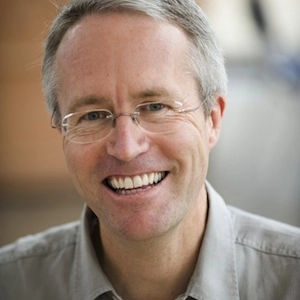
This is my fifth interview with molecular biologist and neuroscientist Dr. Seth Grant from The University of Edinburgh. Dr. Grant was recently recognized for his pioneering work by the  Federation of European Neuroscientists. He continues to make fundamental discoveries about the structure and function of the synapse and this month we discuss the discovery that synapse complexity and diversity is greater than expected, along with the  implications of these discoveries. 

Links and References:


Please Visit Our Sponsors:


Announcements:


Connect on Social Media:

Contact Dr. Campbell:


How does a three-pound organ of wet tissue-the human brain-create the entire subjective experience of being you? Brain Science with Ginger Campbell, MD: Neuroscience for Everyone tackles that profound mystery and many others, translating complex research into compelling conversations. Hosted by Dr. Ginger Campbell, an experienced physician and 2022 Podcast Hall of Fame inductee, this podcast digs into the latest books and ideas in neuroscience with leading researchers and authors. The discussions move beyond dry academic summaries to explore the real-world implications of brain science-how it shapes our health, fitness, mental life, and understanding of consciousness itself. What you'll hear are clear, thoughtful dialogues that make cutting-edge discoveries accessible, whether you have a PhD or simply a deep curiosity about why we think, feel, and behave the way we do. Each episode is an investigation into the mechanisms behind perception, memory, emotion, and decision-making, revealing the biological underpinnings of our shared humanity. This is a long-running podcast dedicated to the idea that everyone can engage with these fundamental questions, guided by a host whose medical background and genuine enthusiasm provide a trustworthy and engaging pathway into the material. Listen for a deeper appreciation of the most fascinating subject there is: the human mind, explored through the rigorous yet welcoming lens of neuroscience.
Author: Language: English Episodes: 100

Brain Science with Ginger Campbell, MD: Neuroscience for Everyone
Podcast Episodes
BS 161 Joseph Ledoux [not-audio_url] [/not-audio_url]

Duration: 1:31:53
Respected neuroscientist Dr. Joseph Ledoux's new book is The Deep History of Ourselves: The Four-Billion-Year Story of How We Got Conscious Brains. In this episode we discuss Dr. Ledoux's ideas about the relationship bet…
BS 160 Neuroscience of Consciousness [not-audio_url] [/not-audio_url]

Duration: 1:27:41
This month's episode is the beginning a four part series about the Neuroscience of Consciousness. This month I am discussing and comparing the ideas from several recent books on the subject in preparation for several upc…
BS 156 Russell Poldrack talks about Brain Imaging (fMRI) [not-audio_url] [/not-audio_url]

Duration: 1:06:03
This month's episode of Brain Science is an interview with Stanford psychologist, Dr Russell A. Poldrack, author of The New Mind Readers: What Neuroimaging Can and Cannot Reveal about Our Thoughts. We discuss a brief his…
BS 154 Alan Castel explores the psychology of successful aging [not-audio_url] [/not-audio_url]

Duration: 1:00:49
BS 154 is an interview with Dr. Alan Castel, author of Better with Age: The Psychology of Successful Aging. In the past we have discussed how our brain changes as we age, but it turns out successful aging requires more t…
BS 153 "Understanding the Brain" with John Dowling [not-audio_url] [/not-audio_url]

Duration: 1:25:22
Episode 153 of Brain Science is an interview with Harvard neuroscientist John Dowling. We talk about his latest book Understanding the Brain: From Cells to Behavior to Cognition with a special focus on Vision. If you lis…
BS 152 Twelfth Annual Review Episode [not-audio_url] [/not-audio_url]

Duration: 32:30
BS 152 is our 12th annual review episode. In 2018 nine new books were featured and the subjects covered included memory, peri-personal cells, creativity, language, reading, the cerebral mystique, synapses, happiness, emo…