Episode 177 - Thirst

Episode 177 - Thirst

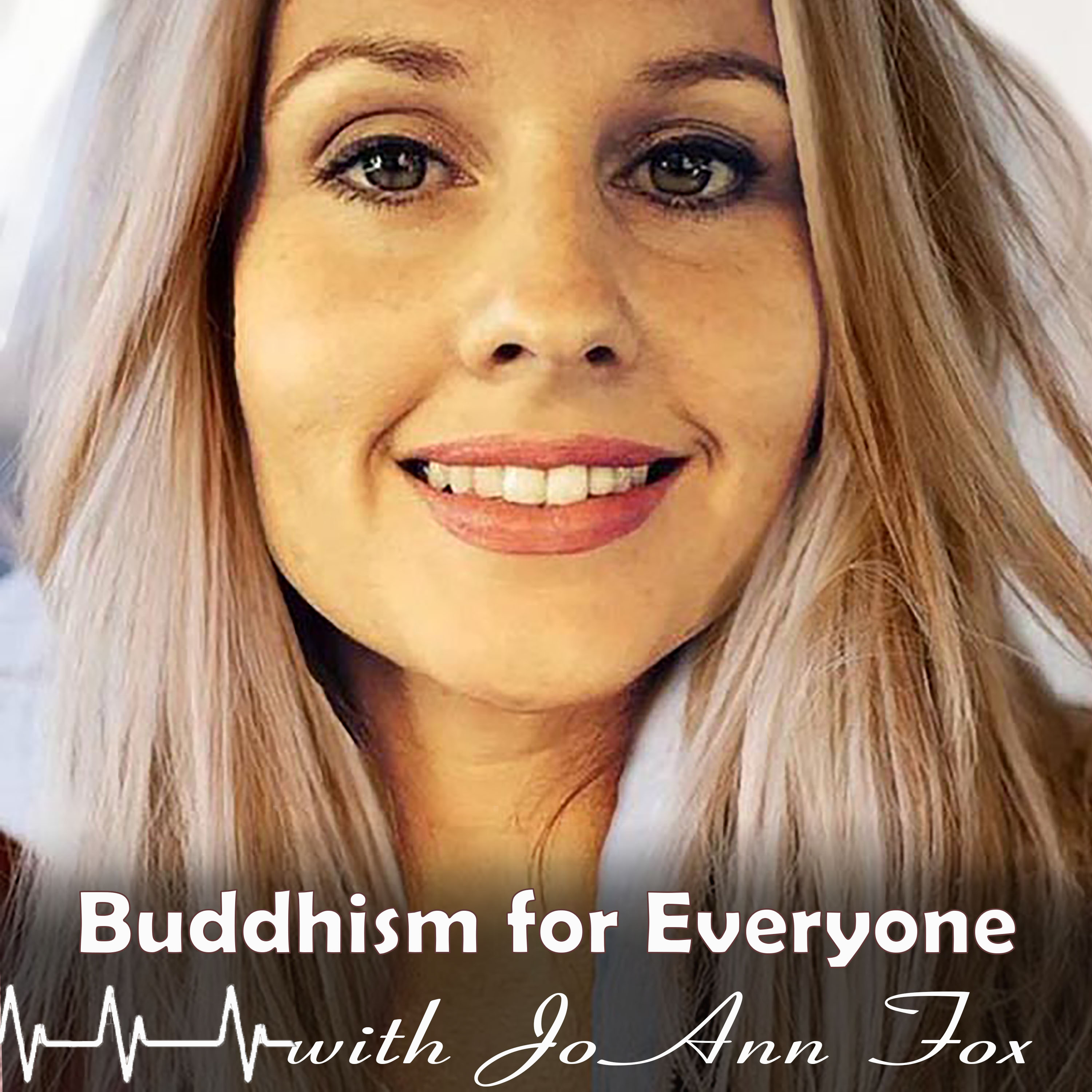
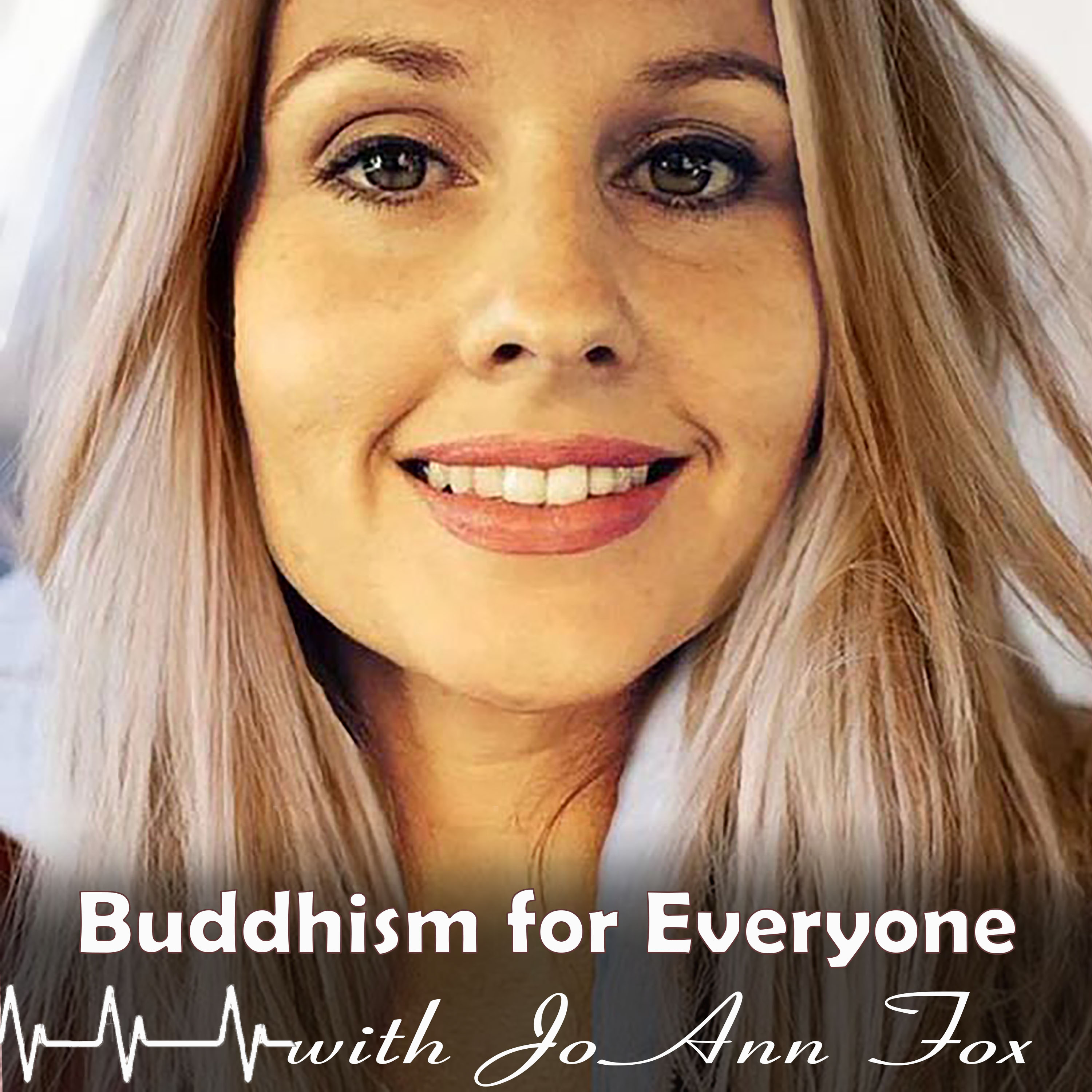
Author: JoAnn Fox: Buddhist Teacher August 27, 2023 Duration: 29:24

"The rain could turn to gold and still your thirst would not be slaked' the Buddha said. In this episode we explore the connection between the Buddhist teachings of emptiness and craving. Understanding this connection is fundamental to understanding the nature of suffering and the path to liberation.

Emptiness (Shunyata)

Emptiness refers to the fundamental nature of reality, which is devoid of inherent, fixed, or independent existence. The empty nature of all things is the opposite of how we normally perceive reality. If we see something as beautiful, we do not think our mind has anything to do with creating that beauty. We see a table, and we naturally think a table has an inherent identity as a table. 

According to the Buddha, all phenomena, including physical objects, mental states, and even the self, lack an unchanging essence or self-nature. Emptiness is not a form of nothingness, but rather the absence of inherent, permanent, or self-existing characteristics.

Craving (Tanha) or Thirst

Craving (Tanha) is another crucial concept in Buddhism, often identified as the root cause of suffering. Sometimes Tanha is translated as "greed," "attachment," or "thirst." In this episode, we related to this concept mainly as thirst. Thirst can be understood as a relentless attachment to sensory pleasures, material possessions, and other living beings. Thirst/craving is not merely enjoying these things, but becoming attached to them, so that if we can't have them or they disappoint us, we suffer. Buddha said attachment is like tasting honey on the razor's edge; the first taste is sweet, but, inevitably, pain follows. 

 Understanding the connection between emptiness and craving

At the deepest level, thirst arises due to our ignorance of the true nature of reality, emptiness. According to the teachings of emptiness, nothing arises independently or in isolation. Instead, everything arises in dependence on causes and conditions.

Emptiness means that all things lack inherent existence. For example, all things in reality depend on the name they are given, their function, label, and our mind's imputation (and more). Craving arises due to ignorance of this interdependent nature of things. We develop attachments and desires based on the mistaken idea of independent and fixed things of beauty or pleasure. We don't think that our mind is creating the beauty or pleasure we're craving, but it is! 

Cessation of Craving and Liberation

The Buddha taught that the cessation of craving leads to the cessation of suffering. The realization of the emptiness of all phenomena leads to the eradication of ignorance and, consequently, the cessation of craving. When craving is extinguished, suffering ceases, and one attains enlightenment,

O Brahmana, cut off the stream of craving with diligence, and abandon sense desires.

O Brahmana, perceiving the cessation of the conditioned,

be an arahat who realizes Nibbana, the Unconditioned. (Verse 383)

—Buddha, The Dhammapada.

References and Links

Buddha.The Dhammapada. Translated by Gil Fronsdale. (Kindle). Shambala, Boston and London, 2011. (Link)

Buddha (1986).The Dhammapada: Verses and Stories. Translated by Daw Mya Tin, M.A. (Website). Edited by Editorial Committee, Burma Tipitaka Association Rangoon. Courtesy .of Nibbana.com. For free distribution only, as a gift of dhamma. Retrieved from https://www.tipitaka.net/tipitaka/dhp/verseload.php?verse=386

Find us at the links below: 

 Facebook: https://www.facebook.com/Buddhismforeveryone

Facebook Group: Join our private group at: https://www.facebook.com/groups/sanghatalk/

Instagram: https://www.instagram.com/buddhism.with.joann.fox

Website: Buddhismforeveryone.com


You'll find Buddhism for Everyone with JoAnn Fox to be a conversation that feels both timeless and immediately useful. JoAnn Fox, a Buddhist teacher with over two decades of experience, guides these discussions with a genuine warmth and a welcome touch of humor, making profound ideas feel accessible. This isn't about abstract philosophy; it's about the tangible ways these ancient practices can reshape our modern days. Each episode, released every other week, delves into practical applications. You might explore how to cultivate patience during a frustrating commute, find a deeper sense of contentment amidst daily routines, or develop the compassionate resilience the world needs. The podcast serves as a gentle, consistent reminder that spiritual growth isn't separate from ordinary life-it's woven right into it. JoAnn's approach demystifies meditation and mindfulness, framing them as tools for anyone seeking more peace or clarity. Whether you're completely new to these concepts or looking to deepen an existing practice, the conversations meet you where you are, offering insights that encourage reflection and, most importantly, action in your own life.
Author: Language: English Episodes: 230

Buddhism for Everyone with JoAnn Fox
Podcast Episodes
Episode 39 - Practicing non-violence [not-audio_url] [/not-audio_url]

Duration: 55:05
The practice of non-violence Buddha explains in the chapter of the Dhammapada called "Violence" refers to abandoning both the killing of living beings and the violence of our speech. Sometimes we harm other people most w…
Episode 38 - Actions Create Self [not-audio_url] [/not-audio_url]

Duration: 28:49
The word "karma" literally means action. Fundamentally, Buddha explained that karma is the law of cause and effect; from actions of our body, speech and mind come results. Yet it is not as simple as saying that from an a…
Episode 37: The Mirror of Karma [not-audio_url] [/not-audio_url]

Duration: 33:34
The Law of Karma--as explained by the Buddha--is complex, and yet any understanding that leads to belief will steer our actions in a positive direction without much effort. This is why it is so beneficial to try to grow…
Episode 36: Malfunctioning Labels [not-audio_url] [/not-audio_url]

Duration: 39:50
The most liberating of all the Buddha's teachings are said to be his teachings on the Two Truths: Ultimate Truth and Conventional Truth. In this episode, we try to understand these two truths a little, and then put them…
Episode 35: The Way of the Spiritual Warrior [not-audio_url] [/not-audio_url]

Duration: 53:30
In this episode, we explore what it means to be a spiritual warrior. We look at what Buddha described as the real enemy of living beings is and how we can help all living beings. Buddha taught that our only real enemy is…
Episode 34: Beginning a Meditation Practice [not-audio_url] [/not-audio_url]

Duration: 51:11
In this episode we explore how to start a daily meditation practice and the basic mechanics of meditation. Many people misunderstand meditation, thinking we are trying to empty our mind of thoughts. Good luck with that!…
Episode 33 - Purify Negative Karma for Your Future Self [not-audio_url] [/not-audio_url]

Duration: 46:43
In this episode we look at how to create a new mind and a new reality for ourselves by purifying negative karma (previous thoughts and actions) and taking positive actions toward creating the life we really want. Meditat…
Episode 32: Meditation on Your Future Self [not-audio_url] [/not-audio_url]

Duration: 43:11
The meditation on your future self is intended to help us create a new reality for our self. It combines imagining a new, freer, happier version of yourself and the purification of your karma (previous thoughts and actio…
Episode 31 - FREEDOM [not-audio_url] [/not-audio_url]

Duration: 43:23
This episode is about FREEDOM: freedom from sorrow giving others freedom freedom from the past In other words, we look at how to lessen our habit of attachment. This exploration of attachment is in the context of an ordi…
Episode 30: Enter Reality [not-audio_url] [/not-audio_url]

Duration: 58:13
This episode begins with an explanation of how meditation works. The seven factors of awakening guide us in how to meditate on an object and adjust the mind when we notice ourselves becoming distracted or sleepy. Secondl…