Episode 31 - FREEDOM

Episode 31 - FREEDOM

Author: JoAnn Fox: Buddhist Teacher May 5, 2019 Duration: 43:23

This episode is about FREEDOM:

freedom from sorrow

giving others freedom

freedom from the past

In other words, we look at how to lessen our habit of attachment. This exploration of attachment is in the context of an ordinary, modern life with marriage, children, jobs and family. Attachment is a habit of mind, like anger and jealousy are habits of mind. Attachment is the habit of viewing something as a cause of our happiness and then feeling that we need it in order to be happy. Attachment is not desire. There are many times we desire things without becoming attached. For example, we may desire to park our car. This is usually a neutral desire. However, if someone takes the parking spot we want, then attachment might arise and we become irritated. Attachment is not about the physical things, it is about how we relate to them. Giving up attachment doesn't mean we shouldn't own things, but that we don't let things own us.


"You must love in such a way that the person you love feels free."

--Thich Nhat Hanh

If someone says, "have no attachment to your spouse or child," it does not mean giving up loving them or feeling connected to them. It means that we give up being attached to what we want them to be or do. If we are attached to them becoming a football player and they want to be in the Drama Club, we might become frustrated or disappointed in them. That disappointment or frustration comes from being attached to how we want them to be, rather than how they are. We practice non-attachment when we give them them freedom to be themselves. We try not take take things personally. We let them go through what they need to, even if it's hard. Attachment doesn't make us closer; it creates anger or lack of acceptance, which undermines the connection between two people.  Attachment and love are opposites.

Can there be love without pain? Yes. If we oppose our attachment habit in relationships. To have a peaceful, happy relationship, we increase our habit of love in a relationship and decrease our habit of attachment. Attachment manifests in our selfish intentions and actions. Love is the habit of cherishing them. Attachment is our selfishness with others.

Practicing non-attachment also means we try to accept situations just as they are, without wishing them to be other than they are. When we are attached to something being other than they way it is, we suffer. This resistance to 'what is' is futile, but we are deeply habituated to this reaction. Buddha taught that freedom is possible right here in this ordinary way of life.


The fever of passion exists not for him who has completed the journey, who is sorrowless and wholly set free, and has broken all ties. (90)

The mindful ones exert themselves. They are not attached to any home; like swans that abandon the lake, they leave home after home behind.

Those who do not accumulate and are wise regarding food, whose object is the Void, the Unconditioned Freedom -- their track cannot be traced, like that of birds in the air.

He whose cankers are destroyed and who is not attached to food, whose object is the void, the unconditioned Freedom-- his path cannot be traced, like that of birds in the air. (93)

  —Buddha 

References:

Buddha. The Dhammapada: The Buddhist Path of Wisdom. Translated by Acharya Buddharakkhita. Buddha Dharma Education Association Inc., pp. 27. (PDF version)
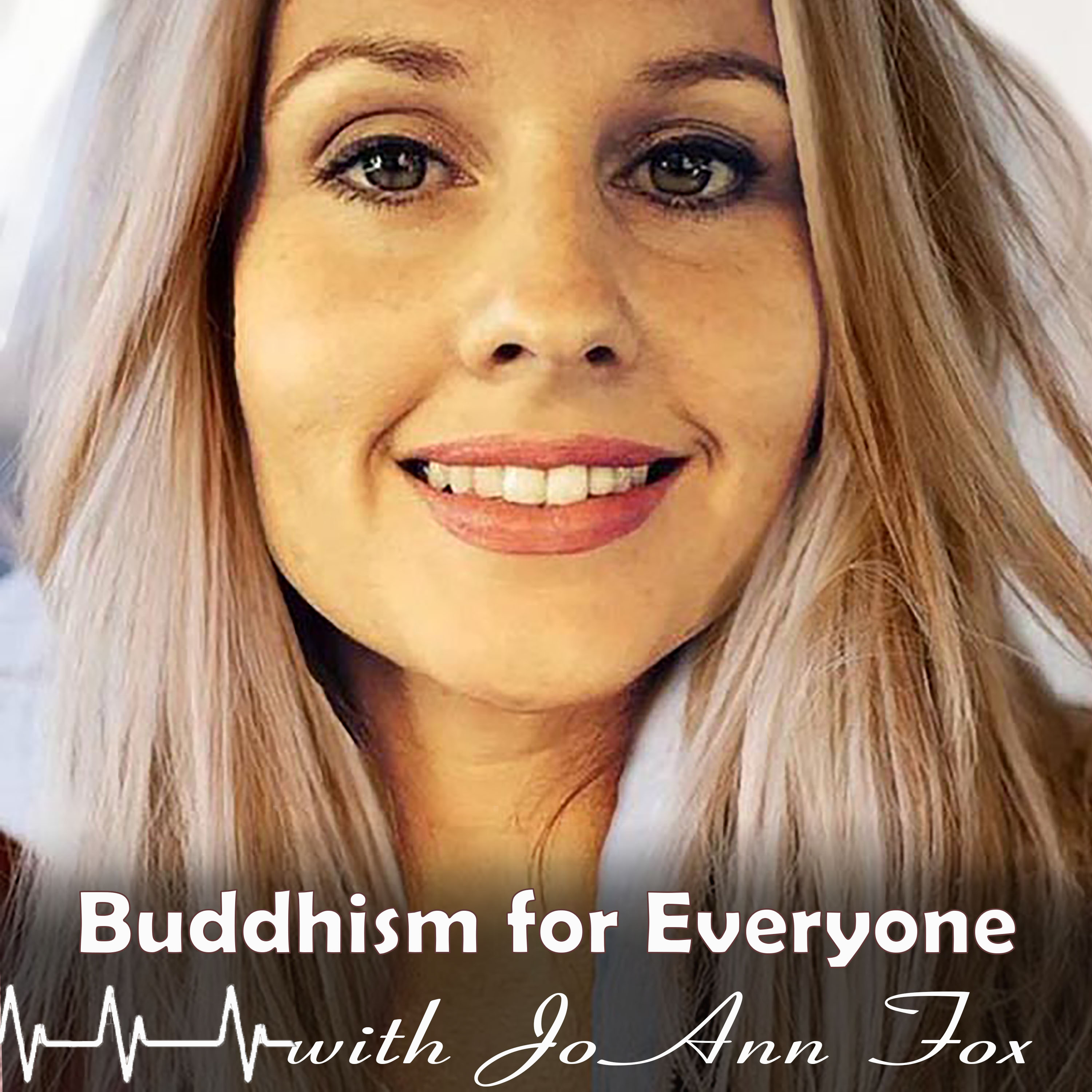

You'll find Buddhism for Everyone with JoAnn Fox to be a conversation that feels both timeless and immediately useful. JoAnn Fox, a Buddhist teacher with over two decades of experience, guides these discussions with a genuine warmth and a welcome touch of humor, making profound ideas feel accessible. This isn't about abstract philosophy; it's about the tangible ways these ancient practices can reshape our modern days. Each episode, released every other week, delves into practical applications. You might explore how to cultivate patience during a frustrating commute, find a deeper sense of contentment amidst daily routines, or develop the compassionate resilience the world needs. The podcast serves as a gentle, consistent reminder that spiritual growth isn't separate from ordinary life-it's woven right into it. JoAnn's approach demystifies meditation and mindfulness, framing them as tools for anyone seeking more peace or clarity. Whether you're completely new to these concepts or looking to deepen an existing practice, the conversations meet you where you are, offering insights that encourage reflection and, most importantly, action in your own life.
Author: Language: English Episodes: 230

Buddhism for Everyone with JoAnn Fox
Podcast Episodes
Episode 207 - Giving as an Antidote to Attachment [not-audio_url] [/not-audio_url]

Duration: 40:49
Attachment has a sneaky way of making us hold on too tightly—to things, to people, to our own comfort zones. We cling, we grasp, we hesitate to let go, fearing we might lose something essential. But what if the very act…
Episode 206 - The Buddhist Practice of Giving [not-audio_url] [/not-audio_url]

Duration: 50:46
Giving, or dāna, is one of the most fundamental and beautiful practices in Buddhism. In this episode, we explore how giving is not just an act of generosity—it is a path to freedom, a way to dissolve the tight grip of se…
Episode 205 - Antidotes to Attachment [not-audio_url] [/not-audio_url]

Duration: 34:37
Attachment is like a rope that binds us—tying our happiness to people, possessions, and circumstances. In Buddhism, attachment isn't just about clinging to things we love; it's the grasping, craving, and fear of loss tha…
Episode 204 - Tranquility Meditation [not-audio_url] [/not-audio_url]

Duration: 38:22
In the rush of daily life, our minds often feel like restless seas—waves of thoughts crashing, emotions rising and falling. But beneath the surface, there is a deep, still place. Tranquility meditation, or shamatha, is t…
Episode 203 - Breaking the Barriers to Spiritual Growth [not-audio_url] [/not-audio_url]

Duration: 45:11
The spiritual path begins with a mind conditioned by anger, attachment, and ignorance—and a stirring wish for change. The culmination of the path is a mind liberated—compassionate, boundless, and freed by wisdom. What co…
Episode 202 - Beyond Good and Bad [not-audio_url] [/not-audio_url]

Duration: 37:24
What if you could instantly reduce stress, anxiety, and worry—not by changing your circumstances, but by changing how you see them? So much of our discomfort comes from labeling things as "good" or "bad," clinging to wha…
Episode 201 - Welcome Everything [not-audio_url] [/not-audio_url]

Duration: 31:21
In this episode, we dive into the very heart of Buddhist wisdom: the Four Noble Truths. These foundational teachings illuminate why we experience suffering and dissatisfaction and the path to inner peace and freedom. Bud…
Episode 200 - Living Generously [not-audio_url] [/not-audio_url]

Duration: 42:06
What does it mean to live generously? In this episode of Buddhism for Everyone, we explore the subtle ways we can practice abandoning stealing—not just materially, but in the countless small ways we might take without re…
Episode 199 - A Disciplined Mind Brings Happiness [not-audio_url] [/not-audio_url]

Duration: 39:49
Buddha taught that "A disciplined mind brings happiness." In this episode, we explore how shedding the habits of mind that are harmful to ourselves or others is the key to our own happiness. In the stillness of reflectio…
Episode 198 - The Five Gatekeepers of Speech [not-audio_url] [/not-audio_url]

Duration: 39:50
The Buddha, in his gentle wisdom, offered us a path to mindful speech through what he called "The Five Gatekeepers of Speech." These gatekeepers stand like sentinels, reminding us to pause before we speak. We ask ourselv…
