237: Maker Tips for Growth & Cleanliness

237: Maker Tips for Growth & Cleanliness

Author: Ria Windcaller: Award-winning Cidermaker, Podcaster | Craft Beer Columnist September 2, 2020 Duration: 48:21

Stormalong Cider scaled up their operations in 2017 when they moved from their cozy barn centered cidery to a shared production facility in Leominster in Massachusetts. We begin with considerations for growth of a cidery and then begin a dive deep into the production side of making cider with a specific focus on cleaning.

Featuring Stormalong owner, Shannon Edgar, Head Cidermaker Ben Roberts-Sano and Operation Manager Bright McConnell.

[Stormalong Cider cleaning crew episode 237 cider chat

Shannon, Bright, and Ben of Stormalong

What is sanitary/cleanable what is clean in place?

Materials that touch cider must be made with a non porus surface which is resistant to scratching and chemical degradation

These include stainless steel, glass, HDPE and PP plastics, silicone and other food grade rubber, teflon, specially prepared concrete or enamel coated steel vessels

What materials to avoid?

Metals like aluminum, brass, mild steel, copper, bronze, or chrome plated parts are NOT rated for food contact, and should not be used on any part of your system that touches product or co2. Copper is toxic and can easily absorb into cider on contact. Aluminum will corrode in caustic, and permanently stain steel parts in the same cleaning bucket.

Chrome parts will always chip.

Brass can leach lead (if not lead free) and copper into cider or common cleaning buckets

What is sanitary?

in order for a cleanable container or pipe part to be sanitary, it must have a smooth geometry, with no hidden or "dead spots" and must be easily disassembled for cleaning. a ball valve cannot be sanitary, because some of the surfaces of the ball are always hidden from the chemical action. threaded parts cannot be considered. pipes or vessels that contain areas that do not contact cleaning chemicals, or areas that cannot drain completely, cannot be considered sanitary, and cannot be properly cleaned without additional measures

Vessels like wooden barrels rely on temperature (steam/190 water) or food safe chemicals, like phosphate, ozone, citric acid, or sulfites and microbial communities in order to stay "clean" or at least repeatably infected. 

Cleaning theory

The 4 factors of cleaning dirty vessels

  • Time
  • Temperature
  • Mechanical action (how hard your spray, shake or scrub)
  • Chemical concentration

In order to clean different materials, and different soils. For instance, a food grade plastic that is temperature sensitive and too soft to scrub, you could use 50% more chemicals and a significantly longer soak time to achieve the same result

Water won't get quite as hot as you like?

  • Turn the pump speed up, and run the clean for longer, perhaps add more chemicals.
  • Even stainless steel can be worn by heavy cleaning over time, so make sure to clean enough.  BUT there is such a thing as too much of a good thing!

Biofilms

  • Bioflims can form when parts get dirty for too long. Normal cleaning procedures may not be effective, and the film may stay active for some time
  • SO YOU MUST CLEAN DIRTY THINGS BEFORE THEY DRY (same day)
  • A part with any visible soils cannot be considered clean, a part that is not clean cannot be sanitized, and any part that touches the floor or any other visibly unclean surface, must not pass go, and return directly to the dirty parts bucket

Mentions in this Chat

Contact info for Stormalong

Help Support Cider Chat Please donate today. Help keep the chat thriving!

Find this episode and all episodes at the page for Cider Chat's podcasts.


There’s a whole world in a glass of cider, and Cider Chat is your invitation to explore it. Hosted by award-winning cidermaker and writer Ria Windcaller, this podcast travels far beyond the bottle to meet the people who make the global cider culture so vibrant. Each conversation is a journey-you might find yourself in a heritage orchard learning the history of forgotten apple varieties, in a bustling taproom with an importer explaining regional traditions, or in a kitchen with a chef pairing cider with unexpected foods. The discussions get into the delightful nuances, too, whether that’s the semantics of what we even call this drink or how the concept of terroir translates from soil to sip. It’s not just about production; it’s about the community, the travel, and the stories that fermentation unlocks. This is for anyone curious about the craft, history, and sheer enjoyment of fermented apple juice in all its forms. So, pour a glass and settle in for a series that feels like a wide-ranging, informative, and genuinely good-humored chat with friends who happen to be obsessed with cider. You’ll come away with a deeper appreciation for every effervescent, tart, or sweet sip, hearing directly from the growers, makers, and enthusiasts who are shaping this drink’s exciting present and future.
Author: Language: English Episodes: 501

Cider Chat
Podcast Episodes
238: Cidermaking Chemistry | Pt 3 [not-audio_url] [/not-audio_url]

Duration: 26:29
This is Part 3 featuring chemistry safety tips for cidermakers! Part 1 - How to Make Cider at home, provides a recipe for making a 1 gallon jug of cider Part 2 - Makers Tips for Growth and Cleanliness was the first part…
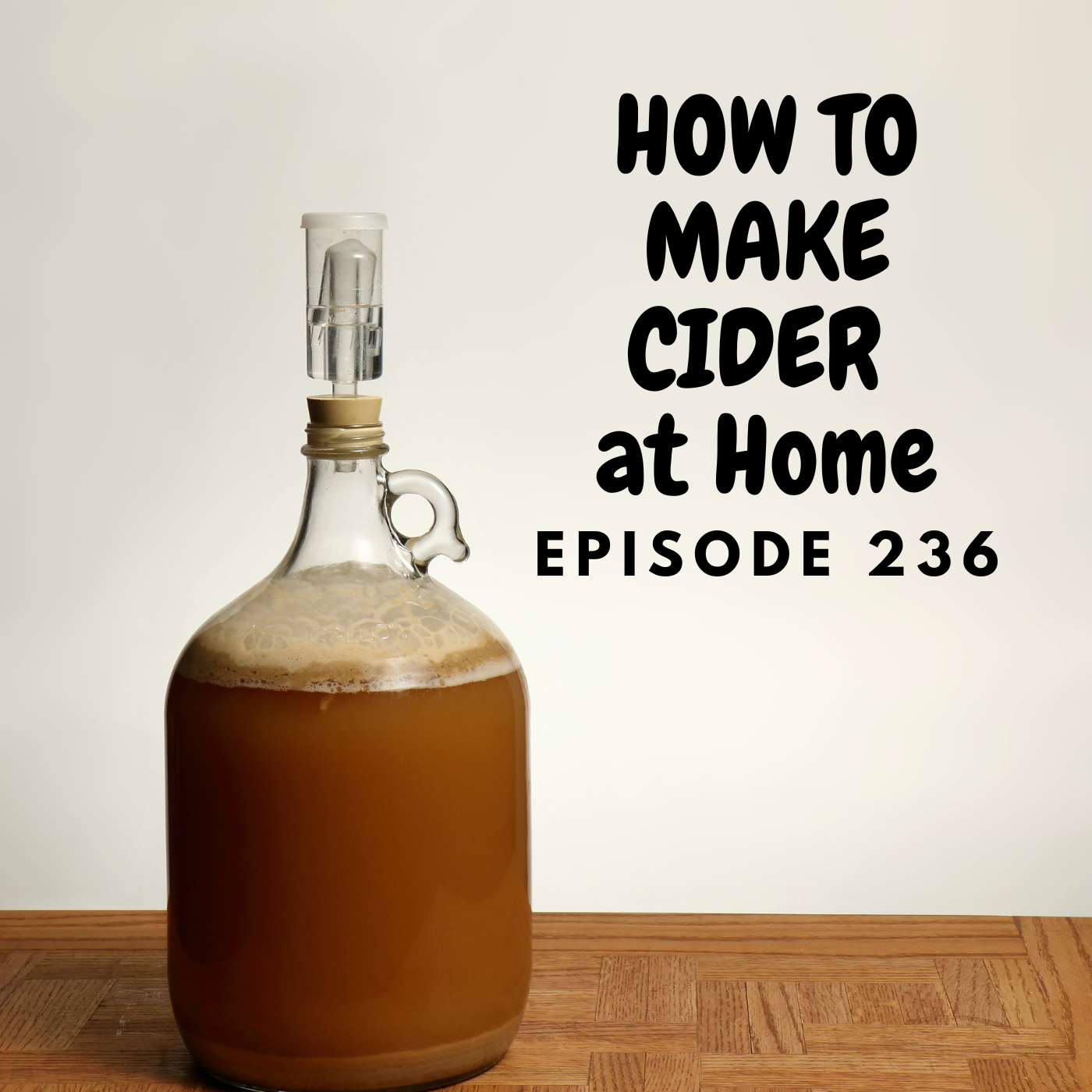
236: How to make cider at home [not-audio_url] [/not-audio_url]

Duration: 39:32
Make Cider at home! It is fun and easy to do! In this episode on How-to Make cider: Benefits to you when you make cider at home Where to get your juice, what kind of juice and "what if you have an apple tree in your yard…
235: Maxim Brecht  Russian Cider | Part 4 [not-audio_url] [/not-audio_url]

Duration: 33:03
Maxim Brecht didn't grow up thinking he wanted to become a cidermaker. Cider in Russia is barely known. Maxim says, "People think of cider as being very acetic and dry." Maxim Brecht His path towards cider began when he…
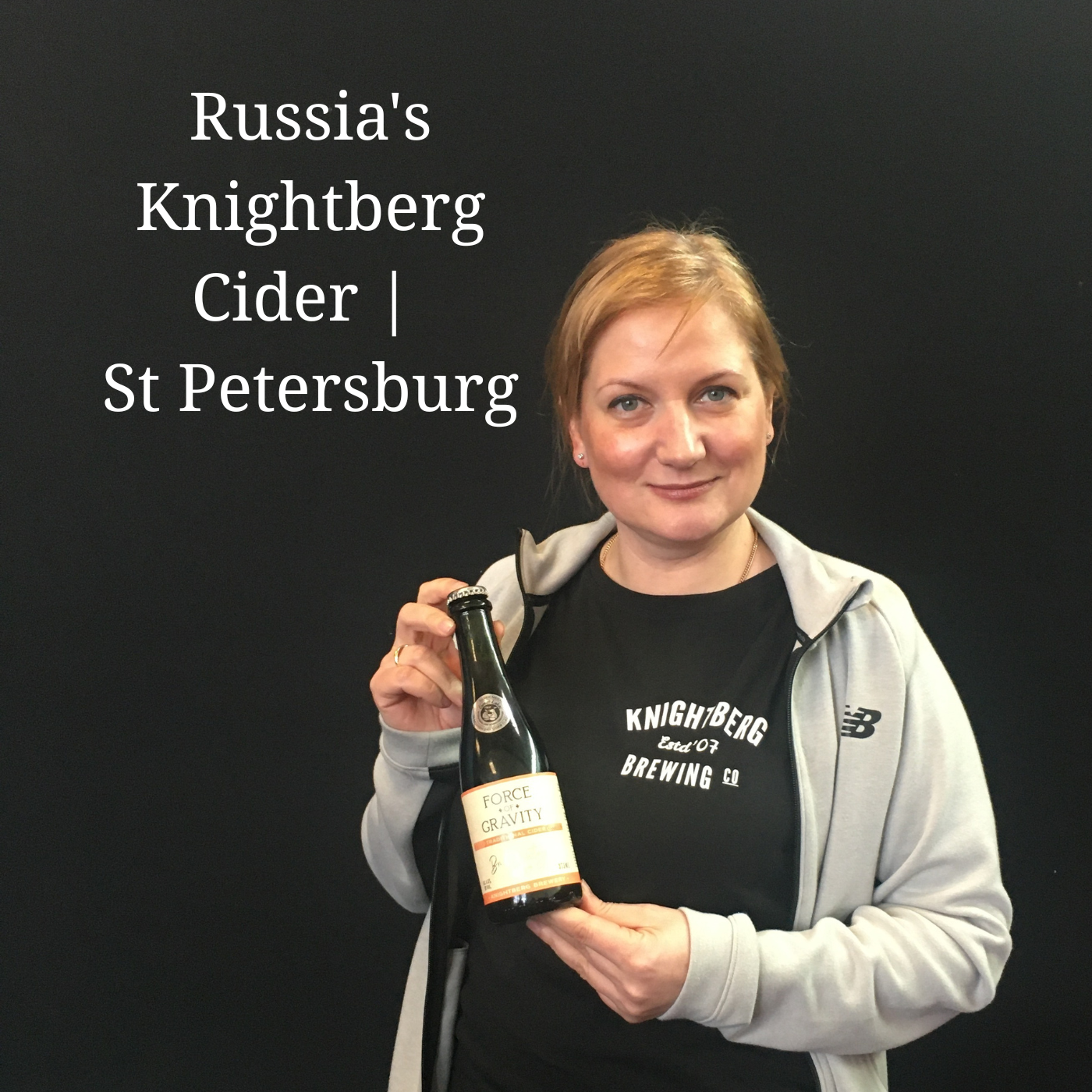
234: Russia's Knightberg Cider | St Petersburg [not-audio_url] [/not-audio_url]

Duration: 43:32
Elena V. Tyukina is the Brewmaster and co-owner along with her husband of Knightberg Brewery in Saint Petersburg, Russia. Located in the historical district of this premier European city of distinction, is not small task…
233: "OMG" Russian Cider | Part 2 [not-audio_url] [/not-audio_url]

Duration: 42:08
OMG and the story of two sommeliers! Meet Olga and Micheal Efremov are Russian Sommeliers with two cider brands, OMG and Incider. Michael and Olga Efremov They are based outside of Moscow in a small town, but close enoug…
232: Russia's Cider Party Starts Now | Pt1 [not-audio_url] [/not-audio_url]

Duration: 30:39
Russia is having a party and cider is invited! The first ever Cider Party was held in Moscow this July and over 200 people attended dancing into the night and drinking cider! This episode 232 is Part 1 of a 4 part series…
231: The Big Book of Cidermaking [not-audio_url] [/not-audio_url]

Duration: 43:02
The Big Book of Cidermaking authors Christopher Shockey and Kristen K. Shockey are this episode's featured guest! The book will be released on September 1, 2020. Go to http://ferment.works/ to pre-order you copy today! M…
230: Ciderville Updates & Coming Attractions [not-audio_url] [/not-audio_url]

Duration: 21:22
Ciderville Updates & Coming Attractions is a mini episode beginning with info on the England Cider Tour scheduled for September 1-6, 2020. I also discuss Totally Cider Tours that I will be look forwarding to once we get…
229: Orchard Mystery Series [not-audio_url] [/not-audio_url]

Duration: 28:28
The Orchard Mystery Series is written by author Sheila Connolly who passed away in April of 2020. This episode 229 is dedicated to her for taking readers on a journey into the orchards of western Massachusetts, where thi…
228: Philadelphia Orchard Project [not-audio_url] [/not-audio_url]

Duration: 26:46
The Philadelphia Orchard Project (POP) was founded in 2007 and serves Philadelphia and it surrounding area. This nonprofit organization both plants and supports community orchards in the city of Philadelphia. 2019 Harves…