270: Cidermaker Tips to Avoid Bottle Bombs | Ask Ryan 2021

270: Cidermaker Tips to Avoid Bottle Bombs | Ask Ryan 2021

Author: Ria Windcaller: Award-winning Cidermaker, Podcaster | Craft Beer Columnist April 28, 2021 Duration: 36:20

Bottle Safely to Avoid Bottle Bombs

If like me you grew up in a house where your parents made homemade everything, chances are they also dabbled in making homemade soda, wine, beer, and cider. Mine sure did and I still recall hearing the popping of root beer bottles in the root cellar. Thankfully, we did have a separate room where the exploding glass bottles only left a mess and didn't hurt anyone else around. Bottle Bombs are dangerous and are caused by fermenting sugar over carbonating a bottle that can't withstand the pressure.

Measure Sugar Content before Bottling

In this episode with Ryan Monkman of FieldBird Cider in Ontario Canada we explore the process of bottling with the goal of bottle conditioning with the final product being one that has a bit of sparkle (read: bubbles).

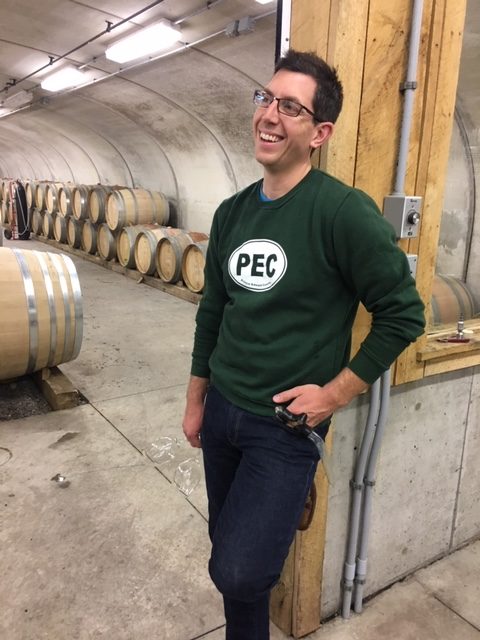
Ryan Monkman - FieldBird Cider in cellar Ryan Monkman - FieldBird Cider in Kent-He wine cellar

Usually I bottle when the cider has not fully fermented. There is just enough yeast cells in solution that they will continue to munch away on the sugar and produce bubbles creating a sparkling cider that is both pleasing to the palate and as Ryan says,"Bubbles make aromatics pop!"

The hook is that the cider has been aging in the carboy for well over 2 years. The yeast look spent, meaning they are dead yeast cells and any that are still holding on to life won't have enough vitality to multi enough even if priming sugar is added to the cider with the hope of getting a bit of sparkle in the bottle.

Autolysis:  is the destruction (or lysis) of a cell by its own enzymes. This process usually takes place after about 9 months.

What to bottle in to avoid Bottle Bombs

  • Quality glass 
    • Champagne bottles are built for pressure
  • Crown caps are better than flip tops
    • Caps will have tendency to pop off, whereas flip tops can't and thus the glass is under extreme pressure

How to measure residual sugar

Ryans recommendations

Hydrometer is best for determining alcohol, but can't give you a complete measurment on residual sugar

Once you have determine the amount of residual sugar, you can then determine how much sugar and yeast to use for bottling. In the next Episode 271: Sugar, Yeast and Bubbly Bottles, Ryan and I will discuss the next step of how much sugar and what kind of yeast to use.

Contact for Ryan Monkman at FieldBird Cider

Mentions in this Chat

Help Support Cider Chat Please donate today. Help keep the chat thriving!

Find this episode and all episodes at the page for Cider Chat's podcasts.


There’s a whole world in a glass of cider, and Cider Chat is your invitation to explore it. Hosted by award-winning cidermaker and writer Ria Windcaller, this podcast travels far beyond the bottle to meet the people who make the global cider culture so vibrant. Each conversation is a journey-you might find yourself in a heritage orchard learning the history of forgotten apple varieties, in a bustling taproom with an importer explaining regional traditions, or in a kitchen with a chef pairing cider with unexpected foods. The discussions get into the delightful nuances, too, whether that’s the semantics of what we even call this drink or how the concept of terroir translates from soil to sip. It’s not just about production; it’s about the community, the travel, and the stories that fermentation unlocks. This is for anyone curious about the craft, history, and sheer enjoyment of fermented apple juice in all its forms. So, pour a glass and settle in for a series that feels like a wide-ranging, informative, and genuinely good-humored chat with friends who happen to be obsessed with cider. You’ll come away with a deeper appreciation for every effervescent, tart, or sweet sip, hearing directly from the growers, makers, and enthusiasts who are shaping this drink’s exciting present and future.
Author: Language: English Episodes: 501

Cider Chat
Podcast Episodes
378: The Inner Realm of the Ice Cider Queen | Eden, VT [not-audio_url] [/not-audio_url]

Duration: 55:19
Nothing Sharp about the "Ice Cider Queen" Eleanor Léger is affectionately dubbed the Ice Cider Queen by many followers, most notably this podcast. She founded Eden Specialty Cider in 2007, the year of the first harvest o…
377: Fable Farm Fermentory's Co-Evolution of Humanity & Apples | VT [not-audio_url] [/not-audio_url]

Duration: 1:05:00
Fable Farm Fermentory's Co-Evolution of Humanity & Apples The Apple Calls Us In | Fable Farm, VT started 15 years ago... In this episode hear how brother's Jon and Christopher Piana found their way to Fable Farm and how…
376: Orchard & Cider Variety Research at WHNO | Vermont [not-audio_url] [/not-audio_url]

Duration: 1:01:26
Walden Heights Nursery & Orchard (WHNO) was created in 1997 This 22 acre farm with 8 acres of orchards on a hillside outside of Hardwick, Vermont in the town of Walden was founded by Todd Parlo and Lori Augustyniak. It i…
375: Cider's Low Carbon Footprint | Wildbranch Cider, Vermont [not-audio_url] [/not-audio_url]

Duration: 59:51
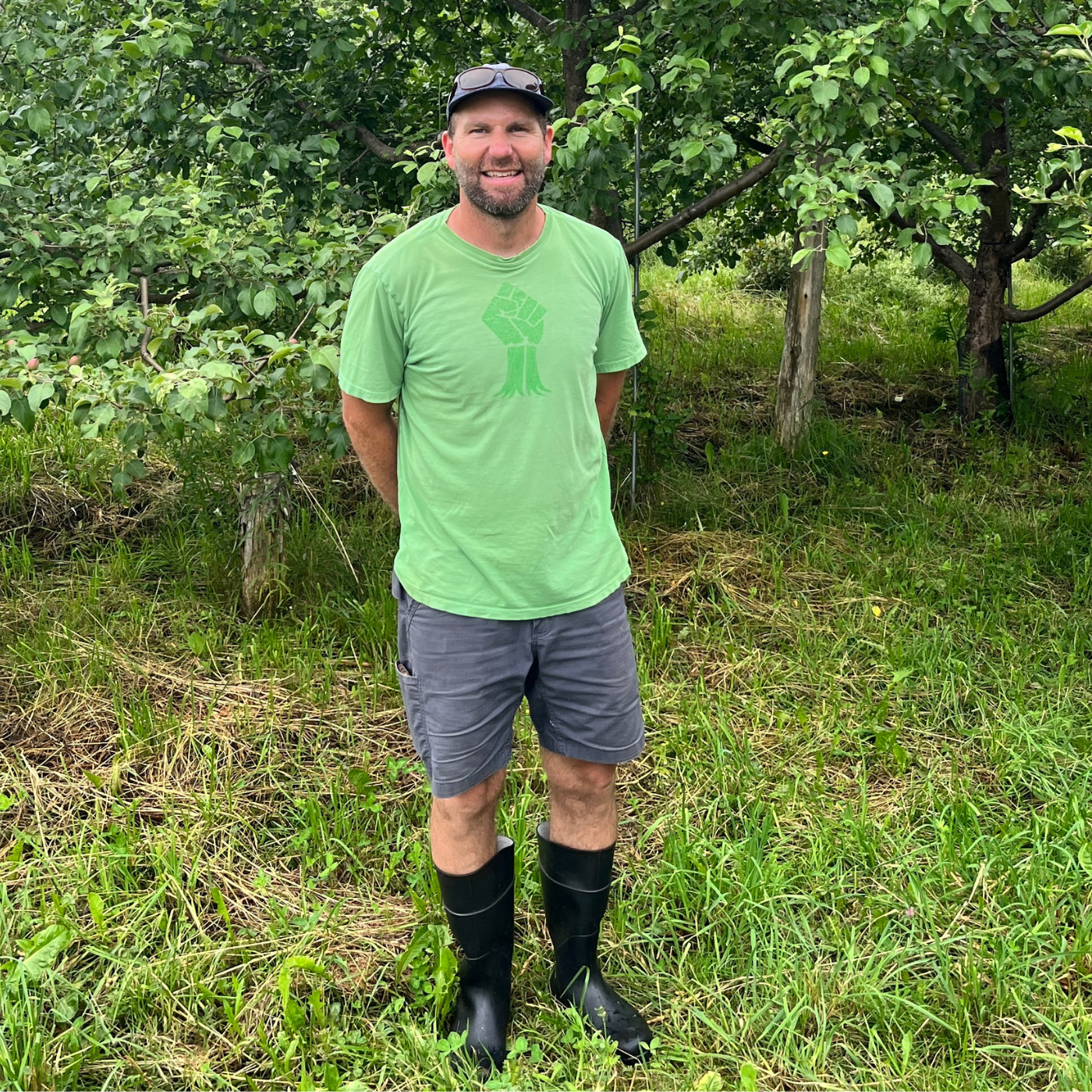
Cedar Hannan began selling his ciders branded as "Wildbranch" in 2020. He both forages apples and has a small orchard planted that he planted four years ago on his farm based in Craftsbury, Vermont. The ciders are both w…
374: Bonus Episode! CCLive | NY Apple Camp News! [not-audio_url] [/not-audio_url]

Duration: 27:04
Bonus Cider Chat Live on NY Apple Camp July 28th - 30th at the Ashokan Center in the Hudson River Valley (on the west side of river) is the first ever NY Apple Camp! Elizabeth Ryan of Stone Ridge Orchard who is producing…
373: Orchard Tips for Cold Climates [not-audio_url] [/not-audio_url]

Duration: 1:15:17
Orchardist Ben Applegate on cold climate orchard care Ben is the Orchard Manager at Eden Specialty Cider based in northern Vermont and shares his insight on cold climate apple varieties and orchard tips. This chat took p…
372: The Science Behind Spontaneous Fermentation [not-audio_url] [/not-audio_url]

Duration: 59:33
Cider and Spontaneous Fermentation The wild "ambient" yeast found on apples, in the air, on cider presses can all contribute to a spontaneous fermentation within the cider must, which is the juice that has been freshly p…
371: Save Your Back! Mechanical Harvesting of Apples [not-audio_url] [/not-audio_url]

Duration: 59:52
Small, Medium and Large Scale options for Mechanical Harvesting of Apples Cornell University Associate Professor of Horticulture Gregory Peck Ph.D and Angry Orchard Head Cidermaker Joe Gaynor provide an in depth study of…
370: Innovative Ciders of Domaine Marois | France [not-audio_url] [/not-audio_url]

Duration: 51:57
Antoine Marois is Tantalizing the Taste Buds of Cider Fans On a sloping hill on the east side of the picturesque village of Cambremer sits Domaine Marois. The lead up to the home is formidable with a long drive that lead…
369: Baba Yaga & Holistic Orchards | NC [not-audio_url] [/not-audio_url]

Duration: 1:01:28
Discover Kordick Family Farm and Baba Yaga Hear from Dorsey and daughter Brittany, the mother and daughter team at Korkdick Family Farm with Baba Yaga as their guide. Dorsey is a long time apple fan and even attended Pet…