270: Cidermaker Tips to Avoid Bottle Bombs | Ask Ryan 2021

270: Cidermaker Tips to Avoid Bottle Bombs | Ask Ryan 2021

Author: Ria Windcaller: Award-winning Cidermaker, Podcaster | Craft Beer Columnist April 28, 2021 Duration: 36:20

Bottle Safely to Avoid Bottle Bombs

If like me you grew up in a house where your parents made homemade everything, chances are they also dabbled in making homemade soda, wine, beer, and cider. Mine sure did and I still recall hearing the popping of root beer bottles in the root cellar. Thankfully, we did have a separate room where the exploding glass bottles only left a mess and didn't hurt anyone else around. Bottle Bombs are dangerous and are caused by fermenting sugar over carbonating a bottle that can't withstand the pressure.

Measure Sugar Content before Bottling

In this episode with Ryan Monkman of FieldBird Cider in Ontario Canada we explore the process of bottling with the goal of bottle conditioning with the final product being one that has a bit of sparkle (read: bubbles).

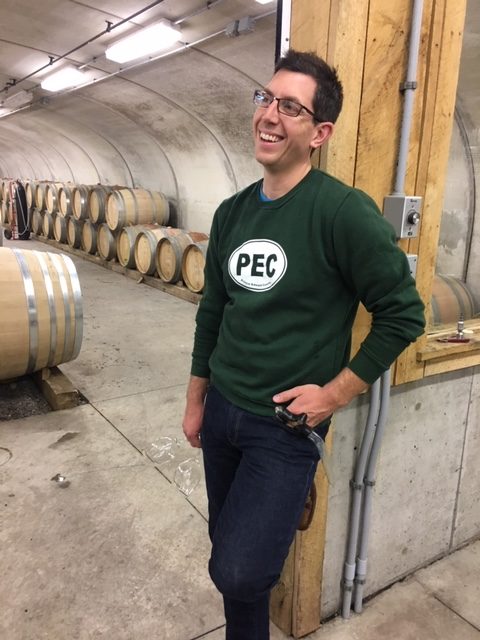
Ryan Monkman - FieldBird Cider in cellar Ryan Monkman - FieldBird Cider in Kent-He wine cellar

Usually I bottle when the cider has not fully fermented. There is just enough yeast cells in solution that they will continue to munch away on the sugar and produce bubbles creating a sparkling cider that is both pleasing to the palate and as Ryan says,"Bubbles make aromatics pop!"

The hook is that the cider has been aging in the carboy for well over 2 years. The yeast look spent, meaning they are dead yeast cells and any that are still holding on to life won't have enough vitality to multi enough even if priming sugar is added to the cider with the hope of getting a bit of sparkle in the bottle.

Autolysis:  is the destruction (or lysis) of a cell by its own enzymes. This process usually takes place after about 9 months.

What to bottle in to avoid Bottle Bombs

  • Quality glass 
    • Champagne bottles are built for pressure
  • Crown caps are better than flip tops
    • Caps will have tendency to pop off, whereas flip tops can't and thus the glass is under extreme pressure

How to measure residual sugar

Ryans recommendations

Hydrometer is best for determining alcohol, but can't give you a complete measurment on residual sugar

Once you have determine the amount of residual sugar, you can then determine how much sugar and yeast to use for bottling. In the next Episode 271: Sugar, Yeast and Bubbly Bottles, Ryan and I will discuss the next step of how much sugar and what kind of yeast to use.

Contact for Ryan Monkman at FieldBird Cider

Mentions in this Chat

Help Support Cider Chat Please donate today. Help keep the chat thriving!

Find this episode and all episodes at the page for Cider Chat's podcasts.


There’s a whole world in a glass of cider, and Cider Chat is your invitation to explore it. Hosted by award-winning cidermaker and writer Ria Windcaller, this podcast travels far beyond the bottle to meet the people who make the global cider culture so vibrant. Each conversation is a journey-you might find yourself in a heritage orchard learning the history of forgotten apple varieties, in a bustling taproom with an importer explaining regional traditions, or in a kitchen with a chef pairing cider with unexpected foods. The discussions get into the delightful nuances, too, whether that’s the semantics of what we even call this drink or how the concept of terroir translates from soil to sip. It’s not just about production; it’s about the community, the travel, and the stories that fermentation unlocks. This is for anyone curious about the craft, history, and sheer enjoyment of fermented apple juice in all its forms. So, pour a glass and settle in for a series that feels like a wide-ranging, informative, and genuinely good-humored chat with friends who happen to be obsessed with cider. You’ll come away with a deeper appreciation for every effervescent, tart, or sweet sip, hearing directly from the growers, makers, and enthusiasts who are shaping this drink’s exciting present and future.
Author: Language: English Episodes: 501

Cider Chat
Podcast Episodes
139: New Zealand's Cidermaking Calendar w/Alex Peckham [not-audio_url] [/not-audio_url]

Duration: 1:17:04
New Zealand's Peckham Cider is featured in this podcast episode #139. I was able to sit down with Alex Peckham at CiderCon2018 held in Baltimore, Maryland. CiderCon is the annual trade conference put on by the United Sta…
138: Chairman Richard Liu | Ontario Craft Cider Association [not-audio_url] [/not-audio_url]

Duration: 59:32
Richard Liu is the Chair of the Ontario Craft Cider Association and owner of Ironwood Cider and Sunnybrook Winery. This chat was recorded while I was on tour with Ryan Monkman of Fieldbird Cider (Prince Edward County) wh…
137 Ontario's County Cider Story | Jenifer Dean [not-audio_url] [/not-audio_url]

Duration: 1:14:08
County Cider based in Prince Edward County in the Canadian Province of Ontario began selling cider in 1996. It was launched by Grant Howes a formidable man considered the Grandfather of Cider in Ontario. In 2000 Jenifer…
136: Cidermaker of the Year 2018 - Tells All [not-audio_url] [/not-audio_url]

Duration: 27:29
This is a mini version of the main podcast this week - as I am super duper busy - so I call this "Cider Chat Live" which is a mini me version of the main podcast - Subscribe to Cider Chat Live too via https://anchor.fm/c…
135: Viejo High Pours in Fishtown | Philadelphia [not-audio_url] [/not-audio_url]

Duration: 25:40
Viejo is a barrel aged cider made by Joe Getz of Kurant Cider. This cider is a single varietal cider made with Winchester apples. Described on Kurants website as: "a blend of wild fermented ciders created by using some o…
134: Medlars "Pomme Rock Stars" &  Judging Cider [not-audio_url] [/not-audio_url]

Duration: 42:38
What are Medlars? Medlars are pommes. It can be either a tree or a large bush. The small brown medlars are picked in the fall. Because Medlars are eaten in the winter months they were very popular at a time when fruit wa…
133: Cider's Chemical Fingerprints [not-audio_url] [/not-audio_url]

Duration: 1:05:15
Attention Cider Makers! Understand Your Cider's Chemical Fingerprints John Edwards presented "Cider's Chemical Fingerprints" at the United States Association of Cider Makers (now referred to as the American Cider Associa…
132: Barrels & Bâtonnage [not-audio_url] [/not-audio_url]

Duration: 58:25
Bâtonnage is a winemaking technique that is also used in Cidermaking. It involves raking the lees or what is seen as the heavy particulars of yeast cells that fall out of solution and down to the bottom of the barrel dur…
131: Cider Barrels with a Cooper, a Maker & Thierry Lemaire [not-audio_url] [/not-audio_url]

Duration: 1:21:16
Cider Barrel Maintenance The craft of making an oak barrel is called "cooperage" and the person who applies this craft is called a "cooper". The skills of this trade have been passed down through the centuries. The tree…
130: Cider Voices from Grand Rapids & #2GLINTCAPorBUST [not-audio_url] [/not-audio_url]

Duration: 1:00:07
Cider Voices from Grand Rapids Cider Week and the Great Lakes International Cider and Perry Competition On the evening of May 14th Joby Willson, Mark Gryska, Charlie Olchowski and William Grote and myself headed out in a…