Apple Phenotyping: The Tools Every Orchardist Needs
In Episode 424 of Cider Chat, we dive deeper into the intricate world of apple identification, this time focusing on apple phenotyping — the art and science of describing apples by their physical characteristics. This is Part 3 of the three part series on John Bunker, renowned author, apple detective, and founder of FEDCO Trees. Expect a master class and experiential lesson as he shares his extensive experience and provides a valuable toolbox of techniques that for apple fans, cider makers and orchardist.
What is Phenotyping?
Apple phenotyping refers to the process of identifying and describing apples by their observable physical traits, such as size, shape, color, and texture. These characteristics, known as phenotypes, help orchardists distinguish between different apple cultivars. While apples may be genetically identical, they can exhibit slight variations based on their environment, making phenotyping a key skill for identifying and preserving apple varieties.
Why is Apple Phenotyping Important?
Phenotyping is more than just a way to describe apples; it's a critical method for orchard care, especially for those looking to preserve historic and rare apple varieties. John emphasizes that understanding the nuances of the apples you grow allows you to ensure that your orchard is correctly labeled and organized. This attention to detail not only improves the quality of your cider apples but also helps preserve the legacy of historic cultivars.
Phenotyping also allows orchardists to confirm apple identities in cases where DNA testing isn't readily accessible or when historical records are incomplete. Whether you're comparing apples from different orchards or identifying a lost variety, having a reliable set of phenotyping techniques in your toolbox is essential.
Watch this entire presentation at Cider Chat YouTube
The Orchardist's Toolbox: Key Techniques for Phenotyping
John encourages orchardists to keep a thorough record of the apples they grow, noting characteristics such as:
Size and Shape: Measure the diameter of the apple and observe its overall shape (e.g., round, oblate, or conic).
Color and Skin: Note the ground color (the apple's underlying color) and any blushes, stripes, or russeting that appear on the skin.
Stem and Cavity: Examine the length and thickness of the stem, as well as the depth and width of the cavity where the stem attaches.
Calyx and Basin: Check whether the calyx (the dried flower at the apple's base) is open or closed, and assess the depth and shape of the basin around it.
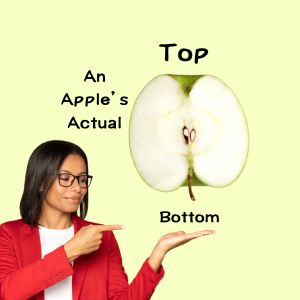
Core and Seeds: Cut the apple open to analyze the core's shape, size, and location, as well as the number and appearance of seeds.
These observations not only help you identify your apples but also provide insights into the health of your orchard and the quality of your cider apples.
To see John Bunker's full slideshow presentation on phenotyping apples and learn even more about his techniques, be sure to subscribe to the Cider Chat YouTube Channel. This episode is packed with invaluable knowledge for anyone looking to refine their skills in orchard care and apple identification.
There’s a whole world in a glass of cider, and Cider Chat is your invitation to explore it. Hosted by award-winning cidermaker and writer Ria Windcaller, this podcast travels far beyond the bottle to meet the people who make the global cider culture so vibrant. Each conversation is a journey-you might find yourself in a heritage orchard learning the history of forgotten apple varieties, in a bustling taproom with an importer explaining regional traditions, or in a kitchen with a chef pairing cider with unexpected foods. The discussions get into the delightful nuances, too, whether that’s the semantics of what we even call this drink or how the concept of terroir translates from soil to sip. It’s not just about production; it’s about the community, the travel, and the stories that fermentation unlocks. This is for anyone curious about the craft, history, and sheer enjoyment of fermented apple juice in all its forms. So, pour a glass and settle in for a series that feels like a wide-ranging, informative, and genuinely good-humored chat with friends who happen to be obsessed with cider. You’ll come away with a deeper appreciation for every effervescent, tart, or sweet sip, hearing directly from the growers, makers, and enthusiasts who are shaping this drink’s exciting present and future.
How to clarify, stabilize, and finish cider the right way The Purpose of Secondary Fermentation when Making Cider Once the apple juice has started fermented and it is now slowing down, it is time to rack over your cider…
Perry making has deep roots in Gloucestershire, stretching back to the 17th century when French wine imports were cut off during the Napoleonic Wars. Local farmers turned to their own fruit, and the rich soils around Har…
At the base of Burrow Hill life moves at the pace of apples and oak. Here, Julian and daughter Matilda Temperley are testment to the value of family for carry a business such as cider and brandy forward into the next 100…
What makes a Pét Nat cider sparkle naturally and how is it connected to the rural method you might have heard about in the UK? In this episode, we take a practical look at: What Pét Nat cider is and how it relates to the…
A Toast to Perry and Place Enjoy an intimate recording from the 2025 Totally Cider Tour_UK Edition. This unforgettable evening featured James Forbes of Little Pomona, leading guests through a cider dinner pairing in the…
Newton Court Cider began as a 30-acre farm selling apples to Bulmers. When the market changed, Paul Stephens turned those same orchards into a modern day cider business. Front view of Newton Court's restaurant and visito…
In October 2024, Cider Chat MC Ria Windcaller recorded with Tom Vowles of Hedger Cider and Ben Crossman in Somerset. Initially, the two recordings felt like separate brand stories. Then, nearly a year later to the day as…
UK Cider Tour 2025 Audio Snap Shots Wallace and Ria in Bristol In this Episode 469 of Cider Chat, we brings listeners inside the UK Totally Cider Tour 2025 through the voices of the guests who joined. From Somerset, Glou…
Cider Maker and Founder Lee Van DeWater of Pierrepont Cider shares his story in this episode on how he is forages apples to share a taste of terroir from New York's North Country. Lee Van DeWater Foraging Apples for Cide…
How Canton Apples and Frosty Twig Fused Two Brands into One In New York's "North of Upstate" region, in the town of Canton is the Canton Apples production building. It is now also home of a partnership shaping the local…