April 1989: The world was a strange mix of excess and transition. On one side, the neon-drenched MTV era was still riding high, with hair metal bands like Poison, Motley Crüe, and Def Leppard dominating the charts with their polished, radio-friendly anthems. Power ballads and arena rock were inescapable, and rock fans were tuned in to Bon Jovi and Guns N’ Roses. Yet, beneath the surface, change was brewing. Bands like Jane’s Addiction and Soundgarden were slowly carving out a new, grittier sound that would soon transform the entire landscape.
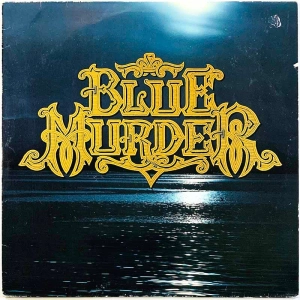
Amid this backdrop, Blue Murder made their entrance—not as another Sunset Strip glam act, but as a hard-hitting supergroup led by a guitar hero who had already proven himself with Thin Lizzy and Whitesnake. John Sykes wasn’t looking to jump on the hair metal bandwagon. Instead, with Blue Murder, he aimed to bring the technical brilliance of the ’70s into the late ’80s, blending his bluesy, virtuoso guitar work with heavy grooves and intricate song structures. Sykes, along with legendary drummer Carmine Appice and fretless bass wizard Tony Franklin, formed a trio that drew on the legacy of hard rock and metal titans, delivering something deeper and more ambitious than most of their glam metal contemporaries.
Yet, for all their talent, Blue Murder wasn’t about writing catchy three-minute radio singles. Their self-titled debut album was a blend of towering guitar riffs, thunderous drums, and epic song structures that leaned closer to the ‘70s hard rock tradition of Led Zeppelin and Deep Purple than the bubblegum metal that filled the charts. But in 1989, as hair metal ruled the airwaves and grunge was lurking around the corner, Blue Murder stood out—ambitious, raw, and musically masterful.
The Road to Blue Murder
John Sykes had already proven his chops with Whitesnake’s 1987 album, a monster hit that spawned chart-topping singles and dominated MTV. But creative tensions with Whitesnake’s leader, David Coverdale, led to Sykes’ unceremonious departure just as the band was at the peak of its commercial success. Undeterred, Sykes began writing material for what would eventually become Blue Murder, determined to put together a powerhouse group that could rival his previous success.
At first, Sykes wasn’t planning to be the frontman. The band initially brought in some big-name vocalists to handle lead duties. Ray Gillen of Black Sabbath and Badlands fame was the first to join the lineup, contributing vocals to some early demos. But Gillen left after just a few months, reportedly due to creative differences. The next contender was Tony Martin, another former Black Sabbath singer, but he, too, didn’t stick around for long. After several auditions and some disagreements with the label Geffen Records, the A&R team suggested that Sykes himself take over lead vocals. Despite being known more for his guitar work, Sykes stepped up, and his voice turned out to be a perfect match for the band’s sound—gritty, soulful, and powerful.
With legendary drummer Carmine Appice, who had played with the likes of Jeff Beck and Vanilla Fudge, and fretless bass virtuoso Tony Franklin, fresh off his stint with The Firm alongside Jimmy Page and Paul Rodgers, Blue Murder had a lineup that was nothing short of rock royalty. The result was a self-titled debut that combined technical brilliance with bluesy hard rock, reflecting Sykes’ desire to channel the spirit of ’70s heavyweights like Led Zeppelin and Deep Purple, rather than chasing the more formulaic sound of the late-’80s hair metal scene.
Building the Sound: A Guitarist as a Frontman
For a guy who wasn’t originally a vocalist, Sykes delivered some serious vocal prowess on Blue Murder. He was filling big shoes, considering he had just played alongside David Coverdale, one of rock’s great frontmen. And while the album isn’t a complete departure from Whitesnake’s bluesy, hard-hitting rock, it’s more expansive, both musically and lyrically.
The standout track, “Valley of the Kings,” showcases the epic grandeur Blue Murder was going for. Co-written by Black Sabbath’s Tony Martin, the song combines powerful riffs, intricate solos, and a historical theme that was rare in the pop-metal scene of the time. This track had a “late ’80s Sabbath” feel, blending hard rock with doom-like weight, something that set the band apart from the typical hair metal crowd.
Tracks like “Jelly Roll” and “Out of Love” demonstrate the band’s diversity—moving between blues-infused swagger and heartfelt ballads, all carried by Sykes’ smooth yet powerful vocals and, of course, his signature guitar tone. The hosts also discussed how “Out of Love,” a lesser-known power ballad, was one of those hidden gems deserving far more attention than it ever received.
The Legacy of Blue Murder
Though the album charted respectably (peaking at #69 on the Billboard 200), it didn’t make the impact that Whitesnake’s 1987 album did. Part of the issue was the changing musical landscape. By 1989, the glam metal scene was beginning to saturate, and the introspective rawness of grunge was on the horizon. Blue Murder, with its complex musicianship and Sykes’ ambitious songwriting, may have been too sophisticated for an audience that was more accustomed to quick-hit rock anthems.
But for those in the know, Blue Murder became a cult classic. Its combination of blistering guitar work, thunderous drums, and intricate bass lines made it a musician’s album—a performance record. For fans of technical prowess and intricate song structures, Blue Murder was a band worth rediscovering.
What Could Have Been
Despite the talent and the potential, Blue Murder never achieved the commercial success many expected. Tensions with their label, Geffen Records, didn’t help. Sykes believed Geffen was trying to sabotage the band in hopes he’d rejoin Whitesnake. Whether or not that’s true, it’s clear that Blue Murder didn’t get the marketing push it deserved.
After a follow-up album in 1993 (Nothing But Trouble), Blue Murder faded into the background, overshadowed by the grunge explosion. However, Sykes continued to be a respected figure in the hard rock and metal scenes, even though he never reached the heights of Whitesnake’s success again.
A Call to Revisit a Lost Masterpiece
So why does Blue Murder still resonate with those who know it? It’s a record that transcends the pop-metal limitations of its time. If you’re a fan of Thin Lizzy, Whitesnake, or just killer guitar work, this album is well worth revisiting. And for those who missed it the first time around, now’s the perfect time to dive into one of the best-kept secrets of late ’80s metal.
Take a listen, let it transport you back to 1989, and then wonder how this gem flew under the radar.
Songs in this Episode
* Intro - Blue Murder
* 22:17 - Black-Hearted Woman
* 27:14 - Out of Love
* 31:53 - Ptolemy
* 37:59 - Billy
* 39:04 - It's Too Late (demo w/ Ray Gillen on lead vocals)
* Outro - Valley of the Kings
Make Your Voice Heard!
In our quest to explore the depths of 90s Rock, we rely on you, our listeners. Your suggestions drive our show – be it an underrated classic or a forgotten gem. By joining our DMO Union on Patreon, you help us stay independent and ad-free and gain the power to vote on and choose the albums we dive into each year. Together, let's unearth the treasures of 90s Rock, one listener-powered episode at a time.
Suggest an Album → | Support the Mission →
This is a public episode. If you'd like to discuss this with other subscribers or get access to bonus episodes, visit
www.digmeoutpodcast.com/subscribe