What If Queensrÿche Only Made This One Record?

What If Queensrÿche Only Made This One Record?

Author: Beyond the hits—exploring the albums, bands, and moments that shaped the heavy 70s & 80s metal November 22, 2025 Duration: 54:33

Before Operation: Mindcrime, there was this.

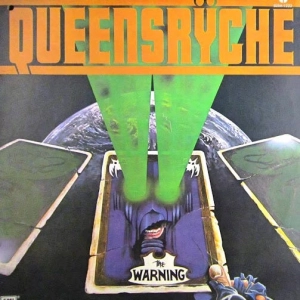
Queensrÿche’s 1984 debut The Warning is the album that almost didn’t happen—at least not the way the band intended. While they were touring Japan, EMI executives remixed and completely rearranged their progressive metal masterpiece without permission, burying the band’s weirdest, most ambitious material deeper in the tracklist. But even with corporate interference, The Warning stands as a pivotal moment in metal history: a Seattle band crafting something that sounded like nothing else in 1984, blending Iron Maiden gallops with Genesis-level prog complexity and Jeff Tate’s otherworldly operatic vocals.

In this episode, we break down why this debut matters—not just as a stepping stone to Mindcrime and Empire, but as a document of a band discovering their identity in real time. We debate whether it’s a hidden gem or a rough draft, explore the label drama that reshaped the album’s sequence, and dive into the tracks that reveal Queensrÿche’s DNA: from the Maiden-esque power of “Deliverance” to the robotic sci-fi weirdness of “NM 156.” This is Double-A ball before the majors—you can see the talent, hear the potential, and witness five musicians isolated in Seattle creating something that would change progressive metal forever.

If you love Iron Maiden, Judas Priest, Fates Warning, or Dream Theater, this episode is for you.

Episode Highlights

0:00 – Intro: Poll results and how The Warning won the Metal Union vote

5:23 – Album context: Queensrÿche in 1984—Seattle isolation and the progressive metal blueprint

12:45 – “Deliverance” – The opening track that wasn’t supposed to open the album

18:32 – The EMI remix controversy: How the label rearranged the album while the band toured Japan

24:15 – “NM 156” – The weird, jazzy, robotic prog odyssey that terrified record executives

31:40 – Jeff Tate’s voice at 24: Operatic range, theatrical character work, and why he’s more than just “metal Bruce Dickinson”

38:50 – “Take Hold of the Flame” – The anthem that hints at Operation: Mindcrime

44:20 – Geography matters: Why being in Seattle (not L.A.) saved this band from breaking up

51:10 – “Road to Madness” – Epic ambition or forced prog? Debating the 10-minute closer

58:30 – The verdict: EP, worthy album, or rough draft? The hosts cast their votes

1:03:15 – What comes next: Rage for Order, Mindcrime, and the evolution into metal immortality

Join the Conversation

This album won because you voted for it. Now it’s your turn again—what 80s metal album should we break down next? Head to digmeoutpodcast.com to join the Metal Union, vote on future episodes, access bonus content, and join our private Discord community. Keep the show ad-free and help us dig deeper at dmounion.com.

Subscribe, rate, and review wherever you listen to podcasts. Got a deep cut we need to cover? Drop your suggestions in the comments or hit us up on social media.


This is a public episode. If you'd like to discuss this with other subscribers or get access to bonus episodes, visit www.digmeoutpodcast.com/subscribe

There's a whole world of heavy music beyond the radio staples, and that's exactly where Dig Me Out: 70s & 80s Metal lives. Hosts J, Chip, and Tim are your guides, moving past the greatest hits to explore the full albums, influential bands, and pivotal moments that built the sound of an era. Each episode focuses on a single record, digging into the riffs, the production, and the cultural context that makes it matter. You'll hear about the giants like Black Sabbath and Led Zeppelin, of course, but the conversation also celebrates the unsung heroes and delves into the glam and excess of acts like Mötley Crüe. This isn't just a track-by-track review; it's a deep, engaging commentary on the stories behind the music. The podcast thrives on the hosts' shared passion and knowledge, making each discussion feel like a conversation among friends who genuinely love turning over every stone in metal's formative decades. If you've ever wondered about the album that came before a band's big breakthrough or wanted to understand the scene that made a particular sound possible, you'll find a home here. It's a dedicated, thoughtful excavation of the hard rock and metal that defined the 70s and 80s, designed for listeners who believe the deep cuts are often where the real magic lies.
Author: Language: English Episodes: 50

Dig Me Out: 70s & 80s Metal
Podcast Episodes
Hawkwind Made Proto-Stoner Rock Before Anyone Had a Name for It [not-audio_url] [/not-audio_url]

Duration: 1:03:48
A Swedish band nobody outside Scandinavia ever heard live sounds like it was mixed by people who actually understood 80s post-punk instead of just imitating it. This episode, guest Darren Leach brings his first pick from…
Tora Tora Sounds Like Judas Priest Fighting Aerosmith [not-audio_url] [/not-audio_url]

Duration: 1:00:37
Tora Tora beat Metallica in a poll. That alone should tell you something about how this show works.This 80s Metal episode covers Tora Tora's 1989 debut Surprise Attack, the surprise winner of a four-way Patreon poll agai…
The 1970 Billy Joel Metal Album That Time Forgot [not-audio_url] [/not-audio_url]

Duration: 1:00:00
Billy Joel in a metal band sounds like a late night joke, but Attila’s lone 1970 album is a lot stranger and heavier than the punchlines suggest. In this episode, we dig into the self titled organ driven proto metal reco…
Yngwie J. Malmsteen's Rising Force Turns 41: Why It Still Matters [not-audio_url] [/not-audio_url]

Duration: 1:03:56
A nineteen year old singer, a guitarist who barely wanted him there, and a record that split guitar playing into two schools for the rest of the decade. This week our 90s specialist Jeremy Amend crosses into 80s metal fo…
1976: The Year Guitar Rock Split In Two [not-audio_url] [/not-audio_url]

Duration: 1:15:15
1976 was supposed to belong to disco, soft rock, and singer‑songwriters. Yet in the shadows of “Disco Lady,” “A Fifth of Beethoven,” and “Silly Love Songs,” guitar bands were quietly rebuilding what hard rock and metal c…
1986: The Year Glam and Thrash Both Peaked at the Same Time [not-audio_url] [/not-audio_url]

Duration: 1:25:10
On daytime MTV, Bon Jovi was becoming the biggest pop-rock act on the planet. Poison was setting the blueprint for everything pop culture now calls hair metal. At the same time, Metallica, Slayer, and Megadeth: were buil…
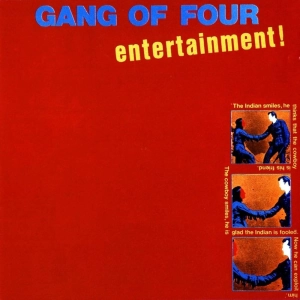
Gang of Four’s Entertainment!: Punk, Funk, and the Politics of Rhythm [not-audio_url] [/not-audio_url]

Duration: 58:05
Gang of Four’s Entertainment! is the moment post‑punk stopped being a scene and started sounding like a threat. This 1979 debut didn’t just tweak punk’s formula—it rewired it, turning guitars into percussion, bass into a…
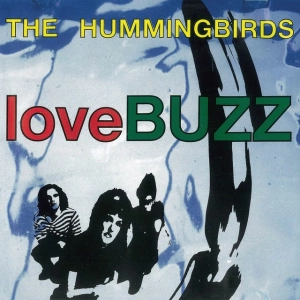
The Hummingbirds Gave the Lemonheads Their Biggest Hit [not-audio_url] [/not-audio_url]

Duration: 52:51
Returning Dig Me Out Union patron Josh Page is back from Australia with his second pick, and this one is geo-locked to his home country for most of the world. The Hummingbirdsformed in Sydney in 1986, signed to rooArt Re…