Seven Years Later: The Dakota Access Pipeline Environmental Impact Statement

Seven Years Later: The Dakota Access Pipeline Environmental Impact Statement

Author: Pushkin Industries December 7, 2023 Duration: 36:31

The U.S. Army Corps of Engineers closes the comment period on its draft Environmental Impact Statement for the Dakota Access Pipeline, a 1,172-mile pipeline that’s been pumping 500,000 barrels of oil per day since May 2017.

The pipeline runs from the Bakken oil fields in North Dakota to southern Illinois, crossing the Missouri and Mississippi Rivers. Over the past six years, every court in the country has ruled that the Army Corps of Engineers did not study the pipeline’s environmental impact closely enough before approving the pipeline’s route. The Standing Rock Sioux Tribe has maintained all along that the project poses a serious threat to its drinking water. From April 2016 to February 2017 thousands of water protectors from all over the country joined them in protests and direct actions. The resistance at Standing Rock is often cited by the fossil fuel industry, police, and politicians as the reason states need new anti-protest laws, while the backlash to that resistance is often cited by water protectors as the reason for PTSD, asthma, and in some cases lost eyes and limbs.

Now, the Army Corps of Engineers says that removing the pipeline would be too damaging to the Missouri River and its surrounding ecosystems. The removal actions it describes in its EIS are the same actions taken to install the pipeline in the first place. The Army Corps suggests that removing the pipeline would be more environmentally harmful than allowing the oil to continue pumping under one of Standing Rock's primary drinking water sources. Nonetheless, this report—seven years late—represents one of the few pathways left to stop the pipeline.

The Standing Rock Sioux Tribe is advocating to seal the pipeline off, while some water protectors are advocating for the pipeline to be removed entirely. The public comment period closes Dec 13, 2023.


See omnystudio.com/listener for privacy information.


There’s a story behind the stalled progress on climate change that goes beyond melting ice and rising seas-it’s a story of deliberate deception. Drilled, from Pushkin Industries, approaches the climate crisis through the lens of investigative true crime. Led by veteran reporter Amy Westervelt and a team of award-winning climate journalists, this podcast meticulously traces how networks of corporate interests and political operatives constructed a decades-long campaign of denial and delay. Each season is a deep forensic examination, pulling on threads of new evidence to unravel systems of disinformation and hidden power. What you’ll hear isn’t just a recap of scientific reports, but a gripping narrative that follows the paper trail, the leaked memos, and the orchestrated efforts that have held meaningful action just out of reach. The result is a compelling and often unsettling listen that reframes our understanding of the past half-century. By treating climate inaction as a crime story, this podcast reveals the human architects and the calculated strategies that brought us here, making complex collusion startlingly clear. Tune in for a masterclass in accountability journalism.
Author: Language: English Episodes: 100

Drilled
Podcast Episodes
Climate Obstruction in the Global South [not-audio_url] [/not-audio_url]

Duration: 54:15
The United States is a global leader of climate obstruction, but it's not the only guilty country. M. Omar Faruque (Queen’s University, Canada) and Ruth E. McKie (De Montfort University) look at how and why climate obstr…
Challenging the Narratives [not-audio_url] [/not-audio_url]

Duration: 50:20
Do the facts behind the narratives being told by Norway's fossil fuel industry, and government, add up? We hear experts critique some of the stories that keep Norwegian oil and gas pumping, while industry representatives…
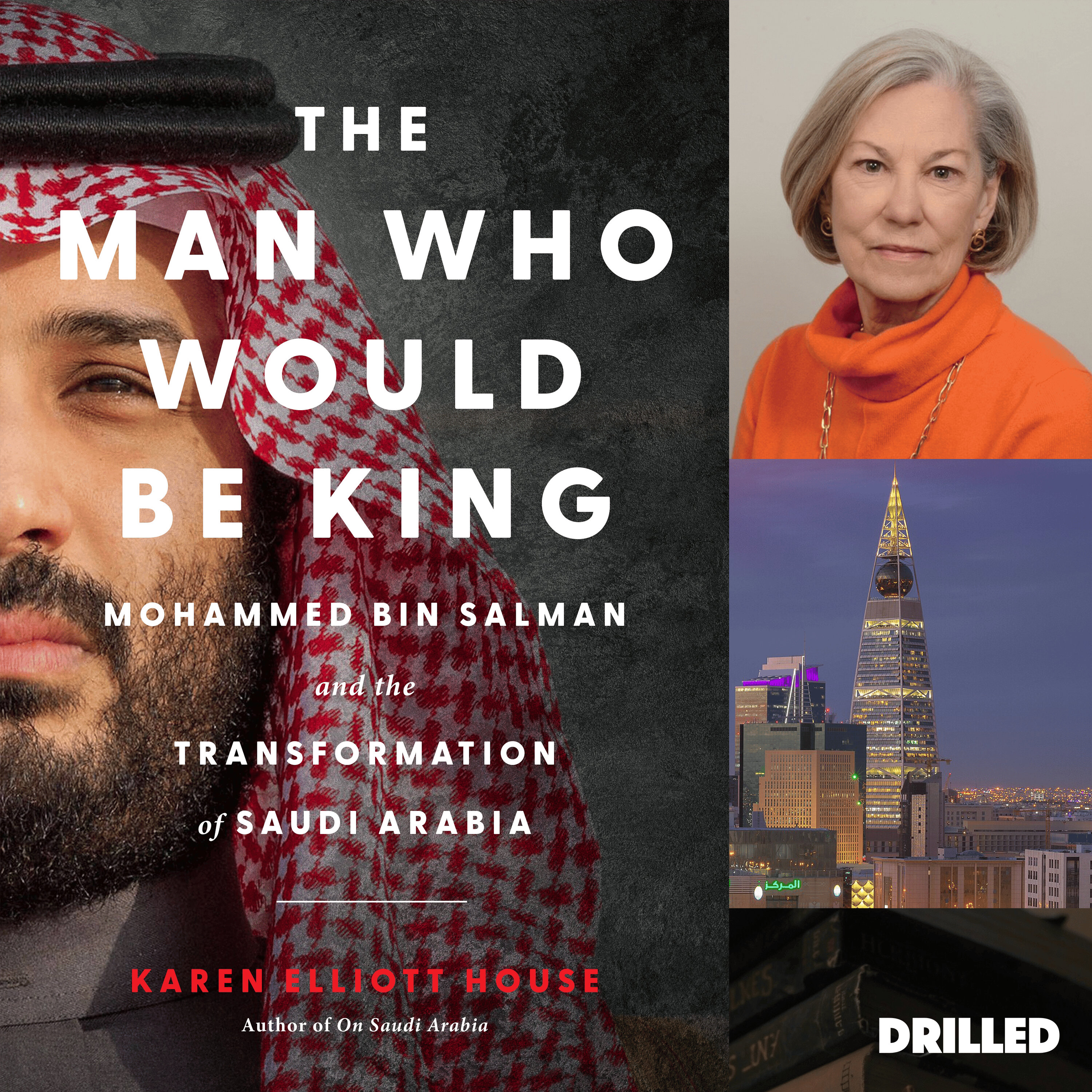
Drilling Deep: Karen House on Saudi Arabia Under Mohammed bin Salman [not-audio_url] [/not-audio_url]

Duration: 52:00
Pulitzer Prize-winning journalist and former Wall Street Journal publisher Karen Elliott House, author of The Man Who Would Be King: Mohammed bin Salman and the Transformation of Saudi Arabia, joins Adam Lowenstein to di…
Abdul El-Sayed on Climate Complexities and Benevolent Masculinity [not-audio_url] [/not-audio_url]

Duration: 35:35
In this extended conversation, climate policy expert Abdul El-Sayed explores the complexities of the climate crisis and the role of masculinity in shaping how men engage, or fail to engage, with climate solutions.See omn…
How the Animal Agriculture Industry Blocks Methane Regulation [not-audio_url] [/not-audio_url]

Duration: 1:09:25
For decades, the meat and dairy industries avoided scrutiny for the planet-heating emissions they pump into the atmosphere. As governments began considering methane regulation, the animal agriculture sector starting work…
Introducing The Black Thread: The Norwegians [not-audio_url] [/not-audio_url]

Duration: 42:10
Over the next few weeks, we're sharing a new mini-series, The Black Thread, about Norway's complicated relationship with its identity as both a progressive leader and oil state.Social norms and cultural values shape Norw…
Facing Climate Despair: How to Cope with Wen Stephenson [not-audio_url] [/not-audio_url]

Duration: 1:05:32
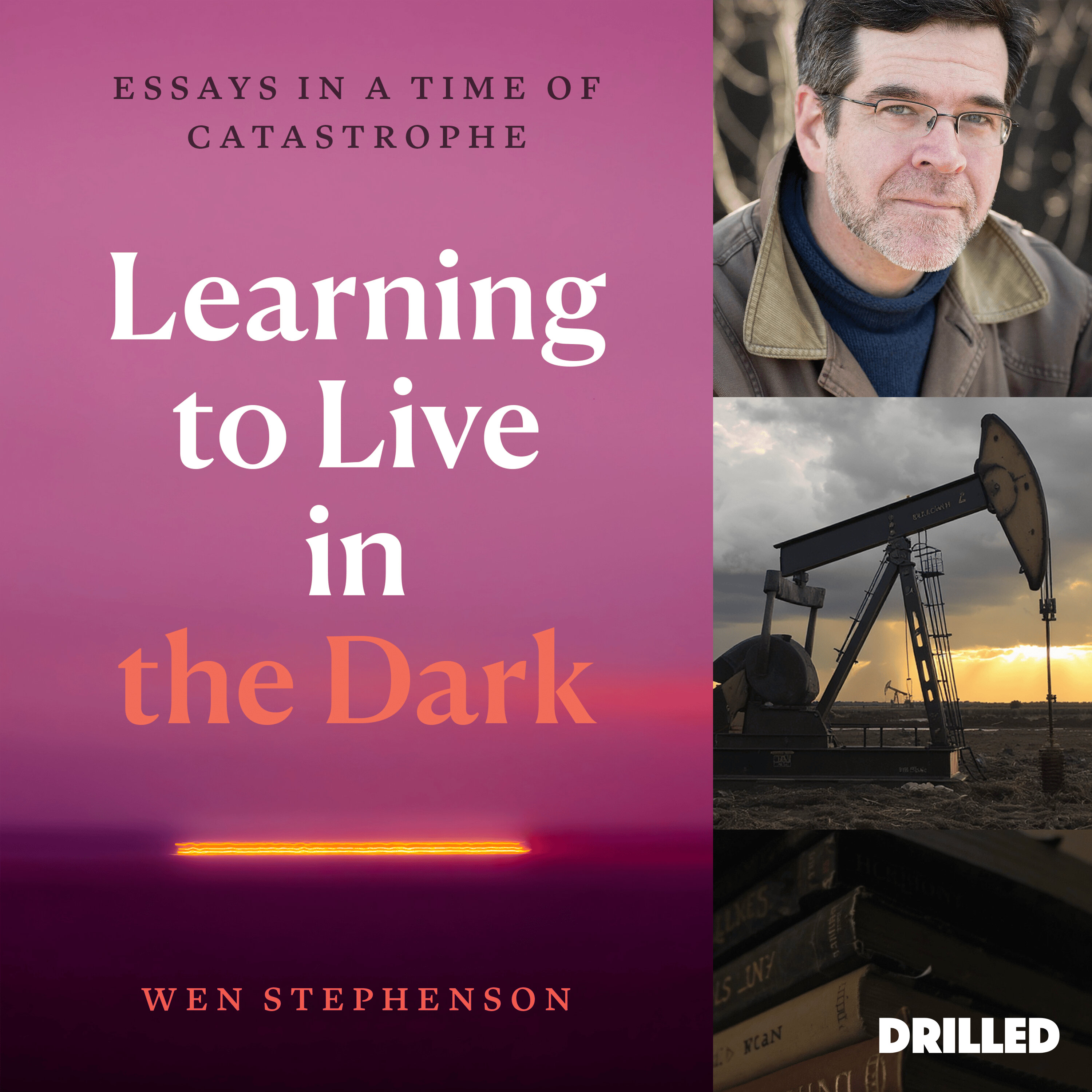
The climate crisis can feel overwhelming—to witness venture-capital-fueled AI domination, democracy’s steady drift toward authoritarianism, state-sanctioned genocide, and the collapse of one climate boundary after anothe…
How the Fossil Fuel Industry Sabotages Climate Action [not-audio_url] [/not-audio_url]

Duration: 50:24
The fossil fuel industry has undoubtedly played a central role in obstructing climate action through lobbying, impacting political influence, and spreading disinformation. Academic Kristoffer Ekberg (Lund University), no…