#252 Combating Loneliness with AI Companions
Author: Dr. Darren Pulsipher
March 25, 2025
Duration: 30:31
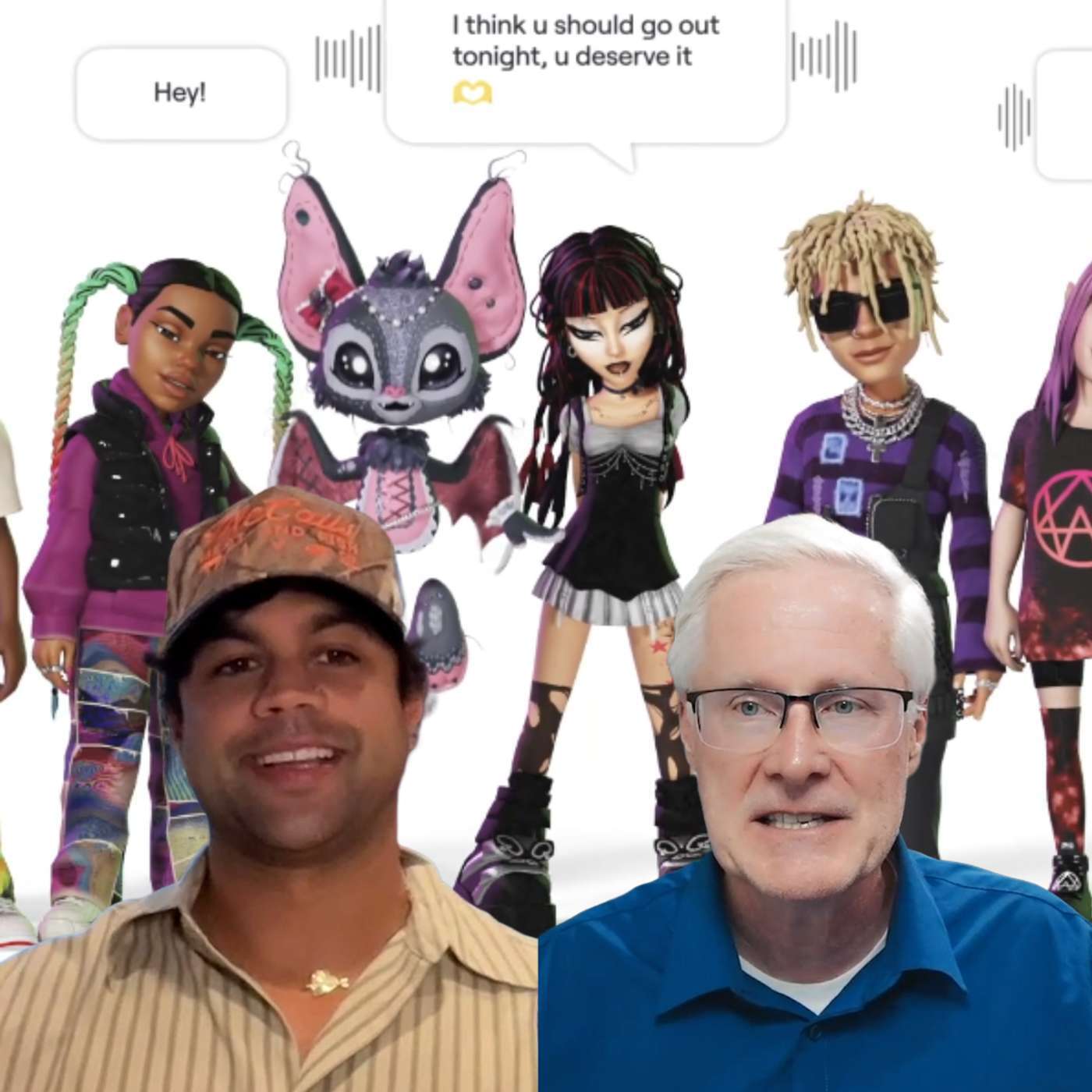
In this episode, Dr. Darren interviews Artem Rodichev, an AI innovator, about the development and implications of empathetic AI. Artem shares his journey from Kazakhstan to the U.S., his experiences with AI companionship, and the differences between sympathetic and goal-oriented AI. They discuss the rise of empathetic AI in the context of increasing loneliness, particularly following the COVID-19 pandemic, and the ethical considerations surrounding its use. The conversation highlights the potential benefits of empathetic AI in improving mental health and social interactions, while also emphasizing the need for regulations. This emphasis on regulations reassures the audience about the responsible use of AI, fostering a sense of trust and confidence.
In an era where technological advancements are transforming our interactions with one another and the world around us, the emergence of empathetic artificial intelligence (AI) stands out as a beacon of hope in addressing pressing societal issues, such as loneliness. With the rise of mobile devices and social platforms, it's ironic that feelings of isolation have only intensified, particularly amongst younger generations. Here, we'll delve into the profound relationship between AI companions and mental health, exploring the benefits they bring, the challenges they pose, and the path toward ethical governance in the field.
The Rise of Empathetic AI
The development of empathetic AI has shifted paradigms in how we perceive and use technology. Traditionally, AI has been designed for task-oriented goals, performing actions such as setting reminders or assisting with customer inquiries. However, the purpose of empathetic AI is fundamentally different: to engage users in meaningful conversations and provide emotional support. This shift enables users to form connections with their AI companions, unlocking new pathways to mental well-being.
As we navigate the complexities of modern life, the idea of an AI that can act as a friendly ear or an emotional outlet is more than intriguing; it's essential. Especially post-pandemic, when feelings of loneliness surged, AI chatbots have provided a unique solution by being readily available companions. People have started forming deep emotional relationships with these technologies, consciously or unconsciously relying on them for companionship. This trend underscores the importance of developing empathetic AI systems that can genuinely connect on an emotional level and help alleviate loneliness.
One significant advantage of using AI for emotional support is its accessibility. Unlike therapists or human companions, AI is available 24/7, offering users a safe space to express themselves without judgment. This on-demand availability can be essential for those battling social anxiety or those who feel hesitant to reach out to friends or family. With the proper AI companions, users can build healthier communication skills, gradually overcoming their fears.
The Need for Ethical Oversight
Despite the benefits, it's important to remember that there are significant ethical considerations surrounding the use of empathetic AI. The rapid expansion of this technology has raised questions about potential manipulation and emotional exploitation. However, the stories highlighting individuals developing unhealthy attachments to their AI companions underscore the necessity for ethical oversight and stringent regulations. This emphasis on ethical oversight should reassure us that the responsible use of empathetic AI is a top priority.
The emotional impact of AI chatbots is a double-edged sword: while they can reduce feelings of loneliness, they can also create dependency. It's crucial to distinguish between AI as a tool for improving mental health and the risk of AI replacing human relationships. The challenge lies in ensuring that AI provides support without undermining the value of authentic, human connections.
Regulatory bodies must establish guidelines for creating and employing AI technologies, ensuring that these tools are used responsibly and contribute positively to society. Ongoing research into the emotional impact of AI use and the potential risks of manipulation will be vital. Additionally, awareness campaigns can educate users about setting healthy boundaries with AI companions, enabling them to view these tools as extensions of their relationships rather than substitutes for human interaction.
Future Directions for Empathetic AI
As technology continues to evolve, so too must our approach to empathetic AI. Future developments will likely focus on enhancing the modalities through which users engage with AI, integrating voice and even visual interactions into the experience. By recognizing emotional cues—whether through voice, text, or even facial expressions—future AI companions can become increasingly attuned to user emotions and capable of providing personalized support. This potential for AI to enhance user interaction should excite us about the future possibilities of empathetic AI.
Moreover, the integration of augmented reality (AR) and virtual reality (VR) technologies could provide users with immersive and interactive experiences, fostering even more profound connections with their AI companions. Imagine a virtual environment where support can be visualized and engaged with dynamically, blurring the lines between technology and reality. This intersection of emotional AI with innovative media holds the promise of enriching life experiences for users, creating deeper bonds and more fulfilling interactions.
In the coming years, a focus on understanding the intricacies of emotional intelligence within AI is expected to drive innovation. This will require collaboration among technologists, psychologists, and ethicists to shape a future where empathetic AI enriches human interactions rather than detracts from them.
---
As we journey further into the age of digital companionship, the challenge remains to harness the power of technology for good. With clear ethical guidelines, a focus on the authentic human experience, and continued advancements in emotional intelligence for AI, we can create compelling futures where technology supports mental well-being and fosters genuine connections. Whether you're curious about the role of AI in your life or interested in how these advancements could alleviate loneliness, there is much to explore and understand.
See Privacy Policy at https://art19.com/privacy and California Privacy Notice at https://art19.com/privacy#do-not-sell-my-info.