Authentic history: Too uncomfortable for white kids?

Authentic history: Too uncomfortable for white kids?

Author: Ethical Schools June 24, 2021 Duration: 27:45

We speak with Betty Collins, eighth grade teacher in Tulsa County, Oklahoma. Ms. Collins speaks about conservatives’ hostility to Critical Race Theory, which looks at the role of systemic racism in US history. We discuss a just-enacted law in Oklahoma that tries to ban teaching history that may make any students “uncomfortable” and how unions and educators are responding.

Overview

00:00-00:46 Intros

00:46-01:10 Union School District, Tulsa County

00:10-02:10 HB 1775

02:10-02:44 Why HB 1775 was passed

02:44-03:59 Critical Race Theory: Misunderstandings and opposition

03:59-05:07 Educators’ responses to HB 1775

05:07-06:11 Range of the law’s impact in different districts

06:11-08:33 Teaching about Blacks and Native Americans through a Critical Race Theory lens

08:33-09:35 Penalties for teaching accurate history?

09:35-10:30 Relationship between HB 1775 and the state educational standards

10:30-11:07 Black and brown students’ discomfort at their true history not being taught

11:07-12:40 Responding to a parent who doesn’t want their child to be “uncomfortable”

12:40-13:05 When Betty Collins learned about the Tulsa Race Massacre

13:05-14:04 Becoming politically engaged through #RedforEd

14:04-16:24 Encouraging students to be civically engaged

16:24-17:13 #RedforEd

17:13-19:00 Oklahoma’s low schoo...


Conversations about education often focus on test scores and curriculum, but there’s a deeper layer that truly shapes a student’s experience. Ethical Schools digs into that layer, exploring what it means to build a learning community grounded in integrity and care. Each week, hosts Amy and Jon sit down with educators and innovators who are actively reimagining schools. You’ll hear specific, grounded discussions about the practical work of creating environments where every student feels safe and respected. The dialogue frequently addresses how to support young people dealing with trauma, moving beyond theory to share actionable strategies that teachers are using right now. More than just problem-solving, this podcast highlights how to empower students themselves to become advocates and changemakers in their own communities. It’s a series that connects philosophy with daily practice, looking at the social and cultural structures within schools through a lens of ethics. For anyone invested in the future of education-whether you’re a teacher, administrator, or simply a concerned community member-this podcast offers a thoughtful and necessary perspective on the foundational values that make education meaningful.
Author: Language: English Episodes: 240

Ethical Schools
Podcast Episodes
Successful Teaching Careers: Empowering Non-Traditional Candidates [not-audio_url] [/not-audio_url]

Duration: 26:26
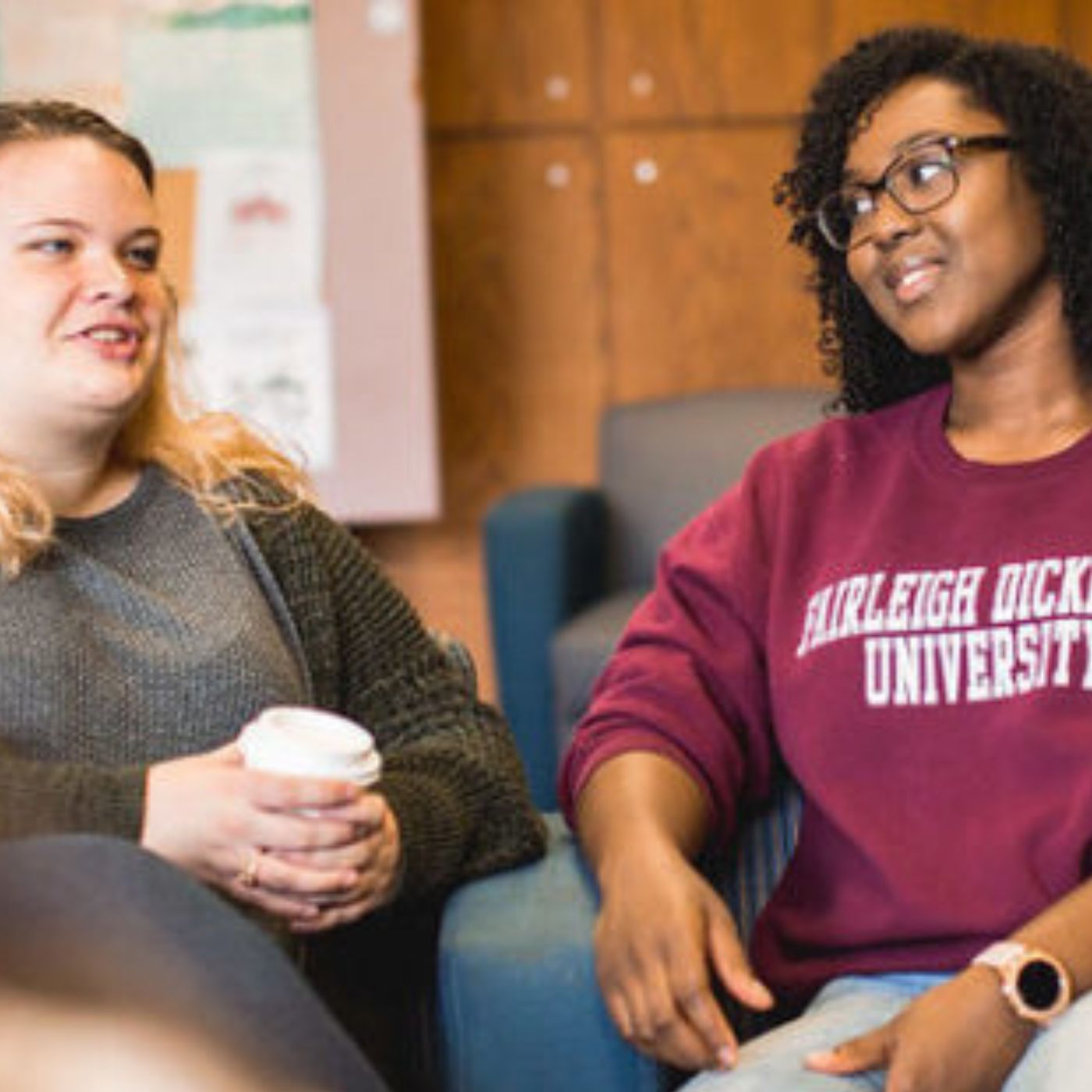
We speak with Dr. Kathryn Spence, Director of the School of Education at Fairleigh Dickinson University, about actualizing a focus on social justice and equity. She discusses strategies for broadening the pipeline of tea…
NYC high school surveys: Disparities in student stress and support [not-audio_url] [/not-audio_url]

Duration: 24:01
The authors of a recent Chalkbeat analysis discuss the Department of education’s 2023 high school survey, which shows girls, especially girls of color, have much higher stress levels, and feel less supported, than boys.…
Middle schoolers as scholars: Critical participatory action research [not-audio_url] [/not-audio_url]

Duration: 23:13
We speak with Dr. Sam Finesurrey, assistant professor of history at Guttman Community College, and three 2024 graduates of School in the Square (S2), a charter middle school in Washington Heights, Manhattan. Dr. Finesurr…
Equity by design: residency-focused teacher education [not-audio_url] [/not-audio_url]

Duration: 1:00:32
We speak with Dr. Diana Turk, Chair of the Department of Teaching and Learning and Director of Teacher Education at NYU. Students in NYU’s unique teacher residency program work full-time in classrooms, for which they are…