Climate education: not just for science class (Encore)

Climate education: not just for science class (Encore)

Author: Ethical Schools December 15, 2022 Duration: 40:44

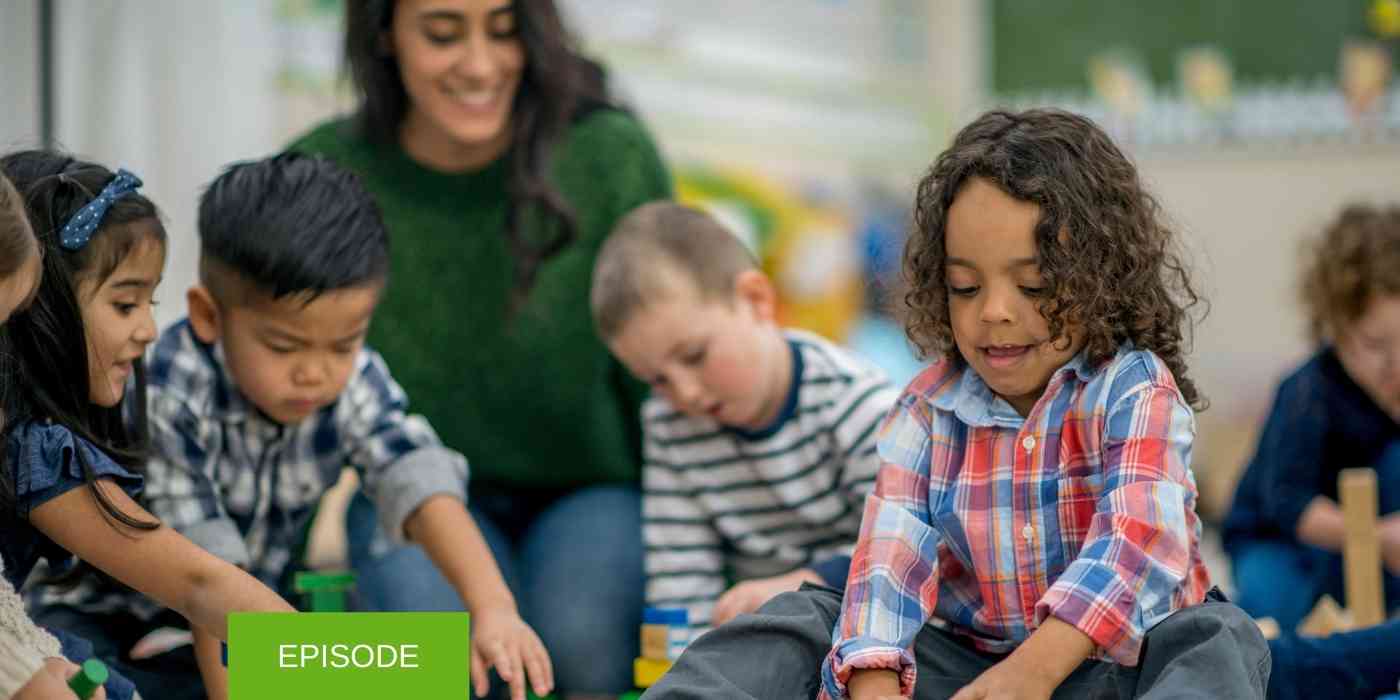
We speak with Dr. Deb L. Morrison, research scientist at the University of Washington School of Education, about centering climate science throughout the K-12 curriculum. Dr. Morrison talks about ClimeTime, a Washington State-funded program that teaches how to engage in climate science and climate justice education across disciplines, and describes nationally-available resources. She emphasizes the importance of integrating society, technology, and science education and says that climate science can be taught even in very conservative areas through place-based education, addressing what matters to kids in their communities.

Overview

00:00-00:35 Intros

00:35-03:32 ClimeTime: What it is, how it is funded

03:32-06:05 Climate change education and climate justice

06:05-07:36 Mentorship, all of us learning

07:36-10:34 Project-based learning; action civics

10:34-13:02 Teaching science as it actually works

13:02-16:54 Engaging conservative communities while teaching climate science

16:54-18:44 Socioecological systems; humans’ relationships with each other and with nature

18:44-19:57 The doughnut economy

19:57-22:05 Society, technology & science (STS) as an interdisciplinary field

22:05-26:28 Examples of teaching STS, place-based learning

26:28-29:13 Collaborations among colleges in Washington and Oregon

29:13-33:32 Resources for teaching climate change, including industrial farming

33:32-37:38 Action for Climate Empowerment at national and international levels

37:38-


Conversations about education often focus on test scores and curriculum, but there’s a deeper layer that truly shapes a student’s experience. Ethical Schools digs into that layer, exploring what it means to build a learning community grounded in integrity and care. Each week, hosts Amy and Jon sit down with educators and innovators who are actively reimagining schools. You’ll hear specific, grounded discussions about the practical work of creating environments where every student feels safe and respected. The dialogue frequently addresses how to support young people dealing with trauma, moving beyond theory to share actionable strategies that teachers are using right now. More than just problem-solving, this podcast highlights how to empower students themselves to become advocates and changemakers in their own communities. It’s a series that connects philosophy with daily practice, looking at the social and cultural structures within schools through a lens of ethics. For anyone invested in the future of education-whether you’re a teacher, administrator, or simply a concerned community member-this podcast offers a thoughtful and necessary perspective on the foundational values that make education meaningful.
Author: Language: English Episodes: 240

Ethical Schools
Podcast Episodes
Teaching the “isms”: Students’ lived experiences in context [not-audio_url] [/not-audio_url]

Duration: 43:15
We speak with Jillian McRae and Sam North, English and history teachers at Ossining (NY) High School, and their student, Alaysha. For 15 years, Sam and Jillian have co-taught a college-level course called “racism, sexism…
Antiracist school leadership: Courage and commitment [not-audio_url] [/not-audio_url]

Duration: 42:30
Dr. Bradley Carpenter, associate professor of educational leadership at Baylor University, speaks about developing and supporting antiracist school principals. Very few leadership prep programs prioritize or embed antira…
Student record privacy: Danger looms from police and hackers [not-audio_url] [/not-audio_url]

Duration: 40:30
We speak with Mark Lieberman, Education Week tech reporter. Pasco County FL schools give the sheriff records of students deemed “destined to a life of crime.” NYS Education Department funded facial recognition of school…
Districtwide decisions: Day to day ethical considerations [not-audio_url] [/not-audio_url]

Duration: 34:00
We speak with Dan Callahan, Assistant Superintendent for Secondary Education in Peekskill City School District, 45 minutes north of Manhattan. The low-income district in wealthy Westchester is 70% Latino, including many…
Policing attendance boundaries: Education as private property [not-audio_url] [/not-audio_url]

Duration: 42:15
We speak with Dr. LaToya Baldwin Clark, assistant professor at UCLA School of Law. Dr. Baldwin Clark explains how school boundaries are used for racial exclusion. In many cases, schools don’t just reflect, but cause, seg…
Supporting English Learners: pandemic and post-pandemic solutions [not-audio_url] [/not-audio_url]

Duration: 31:45
We speak with Dr. Julie Sugarman of the Migration Policy Institute about meeting the needs of English Learners. We discuss the meaning and implications of ELs “falling behind” during virtual instruction and difficulties…
Students as experts: Diversity, equity, and inclusion [not-audio_url] [/not-audio_url]

Duration: 39:30
We speak with Dr. Judith King-Calnek, United Nations International School’s first Director of Diversity, Equity, and Inclusion. Since UNIS faculty and students come from all over the world, they draw on one another’s bac…