Going deep: Student-directed learning in Performance Standards Consortium schools

Going deep: Student-directed learning in Performance Standards Consortium schools

Author: Ethical Schools August 9, 2024 Duration: 39:31

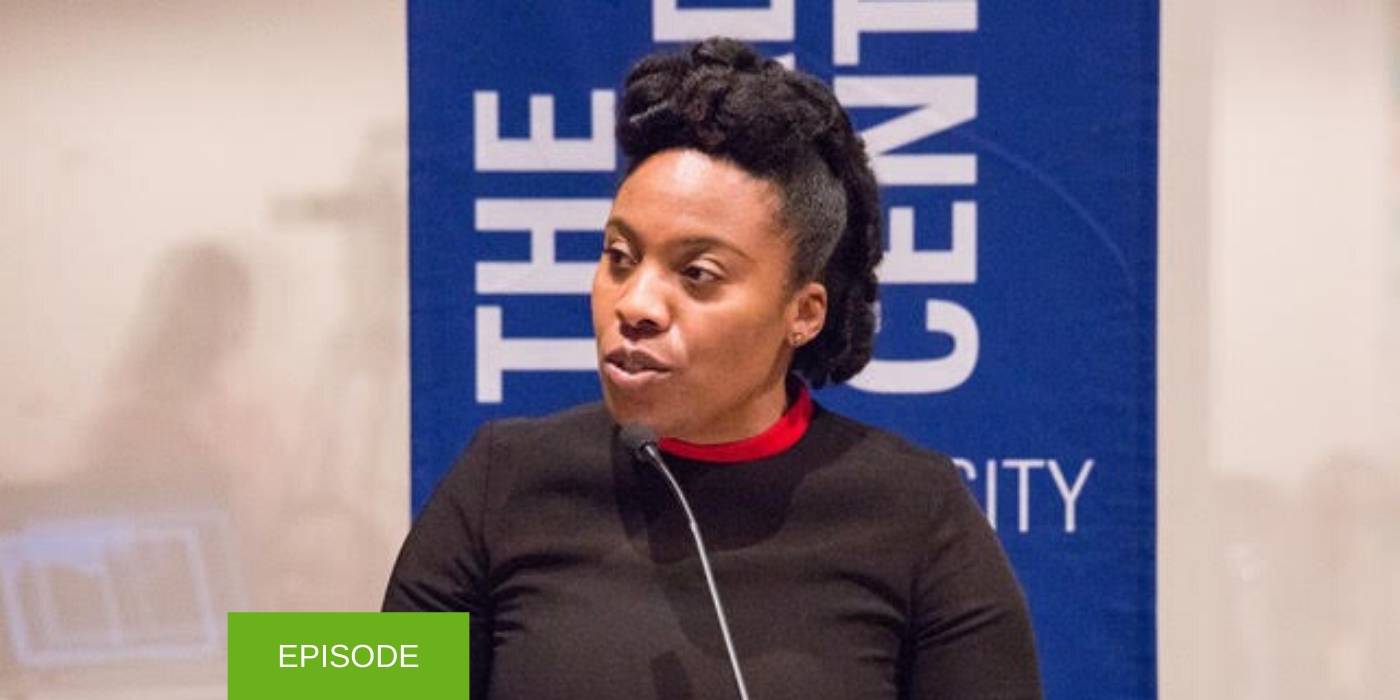
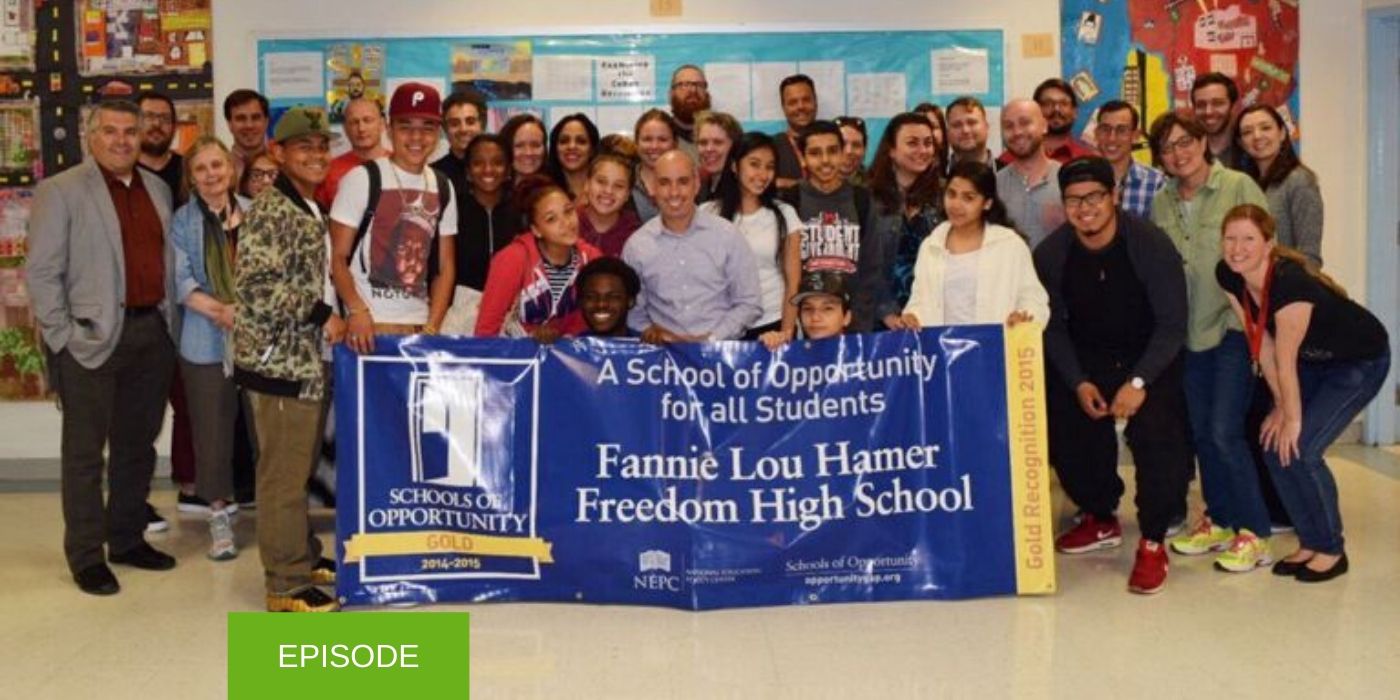
We speak with Adam Grumbach, social studies program coordinator of the New York Performance Standards Consortium, and Naseem Haamid, a law student who attended Fannie Lou Hamer High School. We discuss inquiry based learning, Performance Based Assessment Tests, Habits of Mind, and self-directed, interdisciplinary portfolios, as alternatives to standardized-test driven curricula.

Overview

00:00-00:54 Intros

00:54-02:04 NYS Performance Standards Consortium

02:04-03:54 Potential effect on Consortium of elimination of Regents exams as graduation requirement

03:54-05:09 Inquiry- and literacy-based education

05:09-06:27 Creation of curricula

06:27-07:39 Students’ input into what they focus on

07:39-10:54 Naseem’s transition from a test-oriented school to Fannie Lou Hamer HS (FLH HS)

10:54-10:39 The most valuable things about FLH HS for Naseem

10:39-14:31 Transition from FLH HS to more traditional college and law school classes

14:31-17:21 Performance based assessment tests (PBATs) and other assessments

17:21-19:26 Rubrics

19:26-20:09 Grading of PBATs

20:09-24:45 Portfolios

24:45-28:25 College and career planning

28:25-32:56 Selecting and supporting teachers

32:56-35:35 Lessons for teachers elsewhere from the Consortium

35:35:36:31 “This is what education should be like”


Conversations about education often focus on test scores and curriculum, but there’s a deeper layer that truly shapes a student’s experience. Ethical Schools digs into that layer, exploring what it means to build a learning community grounded in integrity and care. Each week, hosts Amy and Jon sit down with educators and innovators who are actively reimagining schools. You’ll hear specific, grounded discussions about the practical work of creating environments where every student feels safe and respected. The dialogue frequently addresses how to support young people dealing with trauma, moving beyond theory to share actionable strategies that teachers are using right now. More than just problem-solving, this podcast highlights how to empower students themselves to become advocates and changemakers in their own communities. It’s a series that connects philosophy with daily practice, looking at the social and cultural structures within schools through a lens of ethics. For anyone invested in the future of education-whether you’re a teacher, administrator, or simply a concerned community member-this podcast offers a thoughtful and necessary perspective on the foundational values that make education meaningful.
Author: Language: English Episodes: 240

Ethical Schools
Podcast Episodes
Post-Graduation Planning: Helping students to explore myriad options [not-audio_url] [/not-audio_url]

Duration: 34:30
Lindsey Dixon, Director of Career Readiness at Urban Assembly, talks about helping students make more informed college and career decisions. The current model is restrictive and outdated, leading to suboptimal outcomes f…
The “Name Game”: racialization in a suburban high school [not-audio_url] [/not-audio_url]

Duration: 49:30
Drs. Tony de Jesus, Anthony Johnston, and Don Siler of University of St. Joseph recount their intervention in a multiracial high school in crisis. White students had instigated a “game” of addressing Black students as th…
Centering SEL for social and economic mobility [not-audio_url] [/not-audio_url]

Duration: 25:30
David Adams is Director of Social Emotional Learning at NYC’s Urban Assembly, a network of schools that does not screen students. David focuses on the intersection of academic and technical skills, social-emotional compe…
The Algebra Project: Math Literacy and Empowerment [not-audio_url] [/not-audio_url]

Duration: 37:00
Kate Belin teaches math at Fannie Lou Hamer Freedom High School, a progressive public school in the Bronx, where she implements the Algebra Project, an initiative that connects math to students’ lived experiences. We tal…