Mobile Creativity Labs: Scaling STEAM Across India

Mobile Creativity Labs: Scaling STEAM Across India

Author: Ethical Schools May 15, 2025 Duration: 40:31

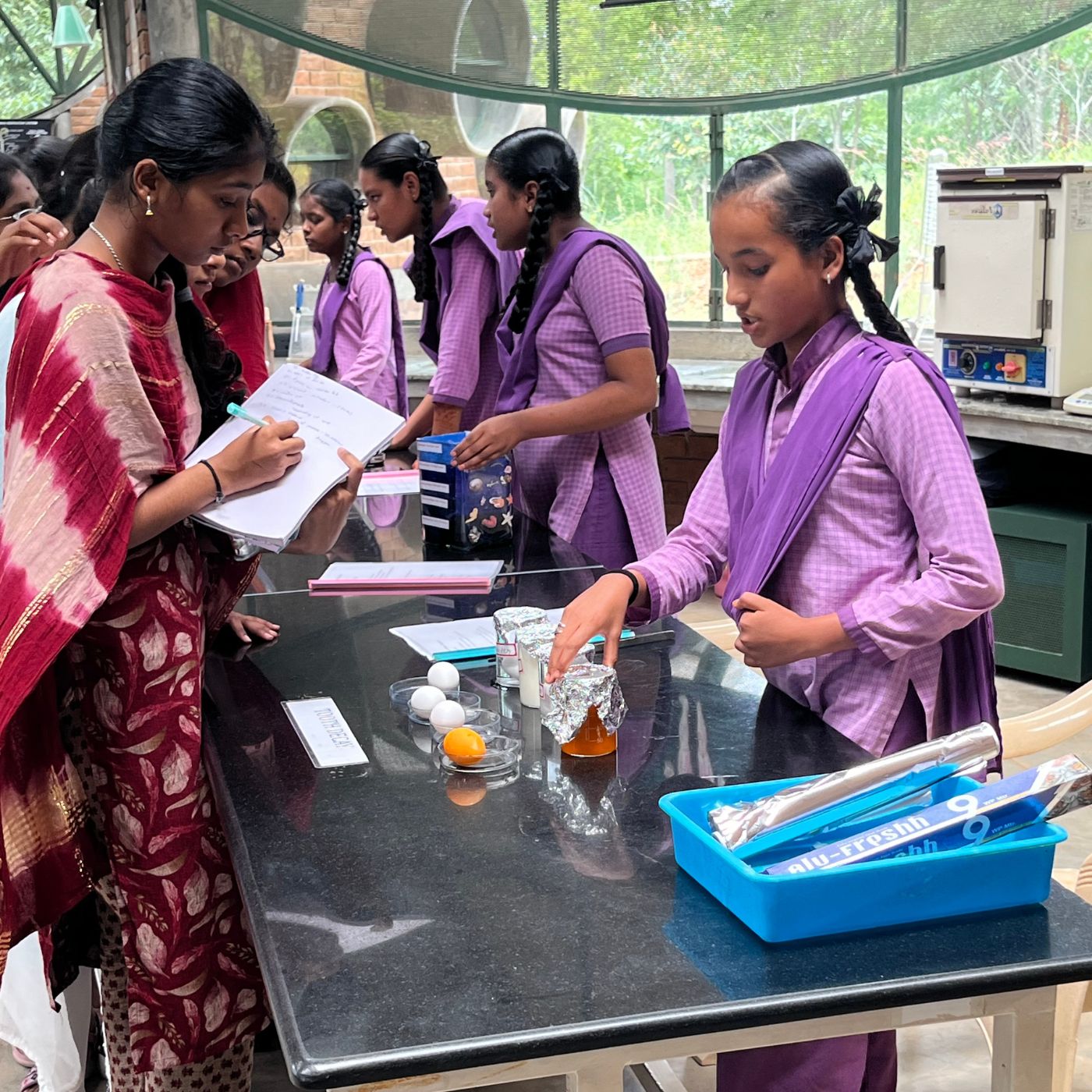
We speak with Dr. David Penberg and Adhirath Sethi about Agastya, a unique educational ecosystem serving students and teachers in 22 Indian states. Agastya has a hub-and-spokes design, with an elaborate 172-acre campus outside Bangalore and a fleet of mobile vans and bicycles delivering science and art programming to poor and rural children in far-flung towns and villages.

Overview

00:00-00:43 Intros

00:43-03:26 Agastya’s programs

03:26-04:51 Arts and interdisciplinary learning environment

04:51-07:58 Teacher training

07:58-11:10 Young Instructional Leader program

11:10-11:52 Ages of girls who started the YIL program

11:52-13:33 Where the YIL do their work

13:33-17:02 Teachers learning in the ways that students learn

17:02-18:43 Alignment with Nell Noddings’s “ethic of care”

18:43:21:48 Relationships with animals other than human

21:48-24:09 Common elements with schools like Central Park East in different settings

24:09-26:14 Agastya relationships based on trust

26:14-27:27 Agastya as a source of inspiration

27:27-29:07 Agastya’s vision of reaching more children

29:07-30:33 Relevance to U.S.

30:33-35:49 Measuring success

35:49-38:19 Adhirath’s book about Agastya: The Moving of Mountains

38:19- Outro

Transcript

Click here to listen to the full transcription of this episode. 

References

Soundtrack by Poddington Bear


Conversations about education often focus on test scores and curriculum, but there’s a deeper layer that truly shapes a student’s experience. Ethical Schools digs into that layer, exploring what it means to build a learning community grounded in integrity and care. Each week, hosts Amy and Jon sit down with educators and innovators who are actively reimagining schools. You’ll hear specific, grounded discussions about the practical work of creating environments where every student feels safe and respected. The dialogue frequently addresses how to support young people dealing with trauma, moving beyond theory to share actionable strategies that teachers are using right now. More than just problem-solving, this podcast highlights how to empower students themselves to become advocates and changemakers in their own communities. It’s a series that connects philosophy with daily practice, looking at the social and cultural structures within schools through a lens of ethics. For anyone invested in the future of education-whether you’re a teacher, administrator, or simply a concerned community member-this podcast offers a thoughtful and necessary perspective on the foundational values that make education meaningful.
Author: Language: English Episodes: 240

Ethical Schools
Podcast Episodes
Post-Graduation Planning: Helping students to explore myriad options [not-audio_url] [/not-audio_url]

Duration: 34:30
Lindsey Dixon, Director of Career Readiness at Urban Assembly, talks about helping students make more informed college and career decisions. The current model is restrictive and outdated, leading to suboptimal outcomes f…
The “Name Game”: racialization in a suburban high school [not-audio_url] [/not-audio_url]

Duration: 49:30
Drs. Tony de Jesus, Anthony Johnston, and Don Siler of University of St. Joseph recount their intervention in a multiracial high school in crisis. White students had instigated a “game” of addressing Black students as th…
Centering SEL for social and economic mobility [not-audio_url] [/not-audio_url]

Duration: 25:30
David Adams is Director of Social Emotional Learning at NYC’s Urban Assembly, a network of schools that does not screen students. David focuses on the intersection of academic and technical skills, social-emotional compe…
The Algebra Project: Math Literacy and Empowerment [not-audio_url] [/not-audio_url]

Duration: 37:00
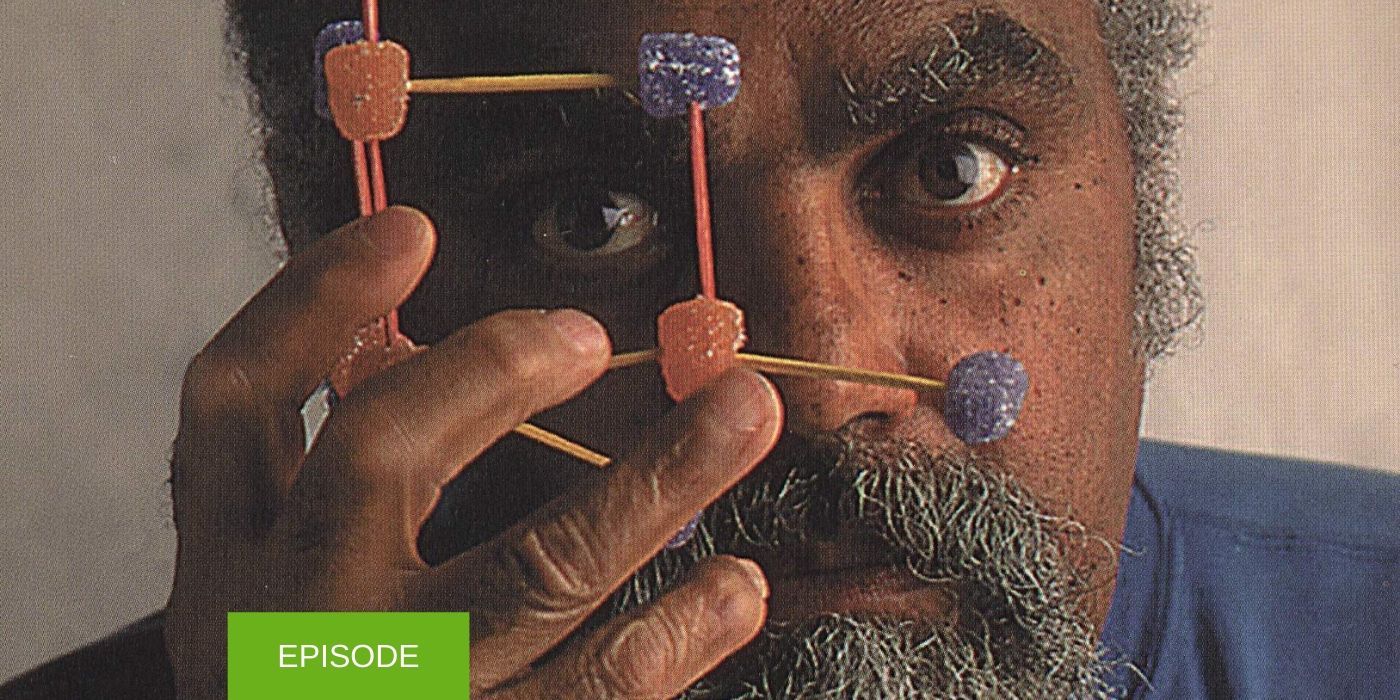
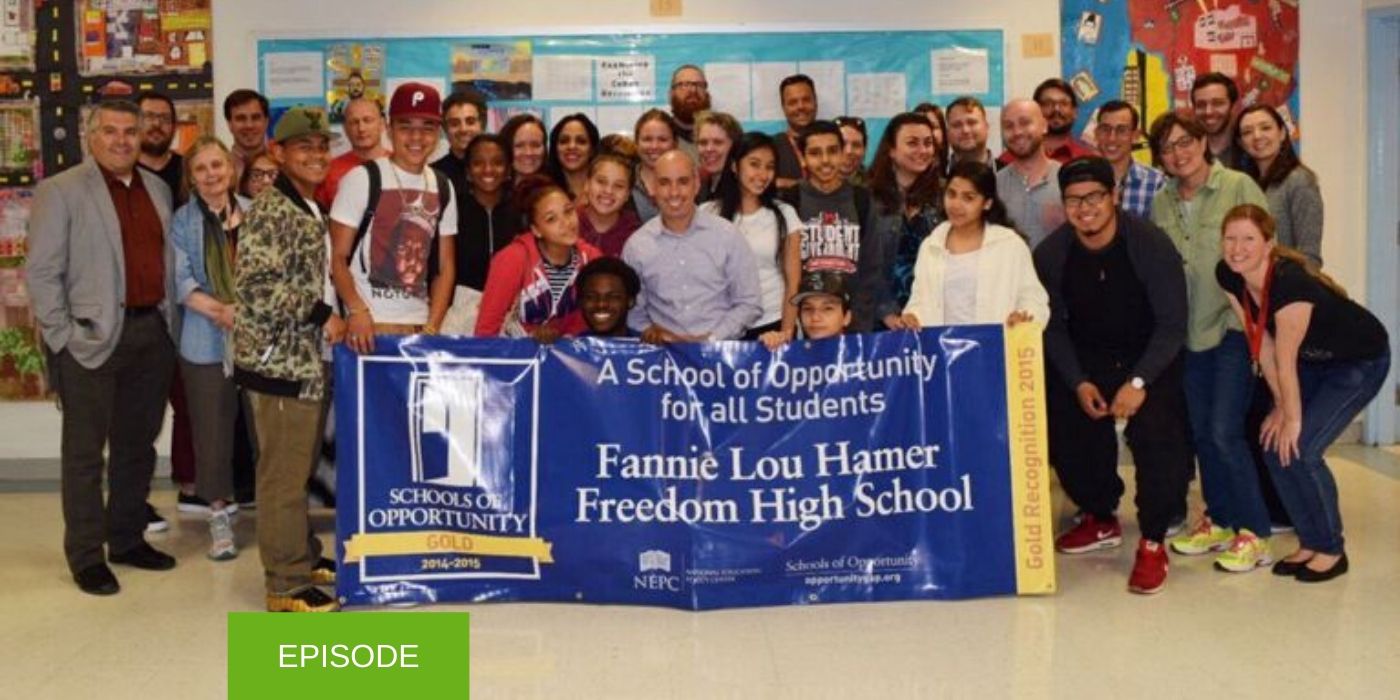
Kate Belin teaches math at Fannie Lou Hamer Freedom High School, a progressive public school in the Bronx, where she implements the Algebra Project, an initiative that connects math to students’ lived experiences. We tal…