Paying it forward: a peer-staffed program for navigating college admissions

Paying it forward: a peer-staffed program for navigating college admissions

Author: Ethical Schools August 26, 2023 Duration: 45:45

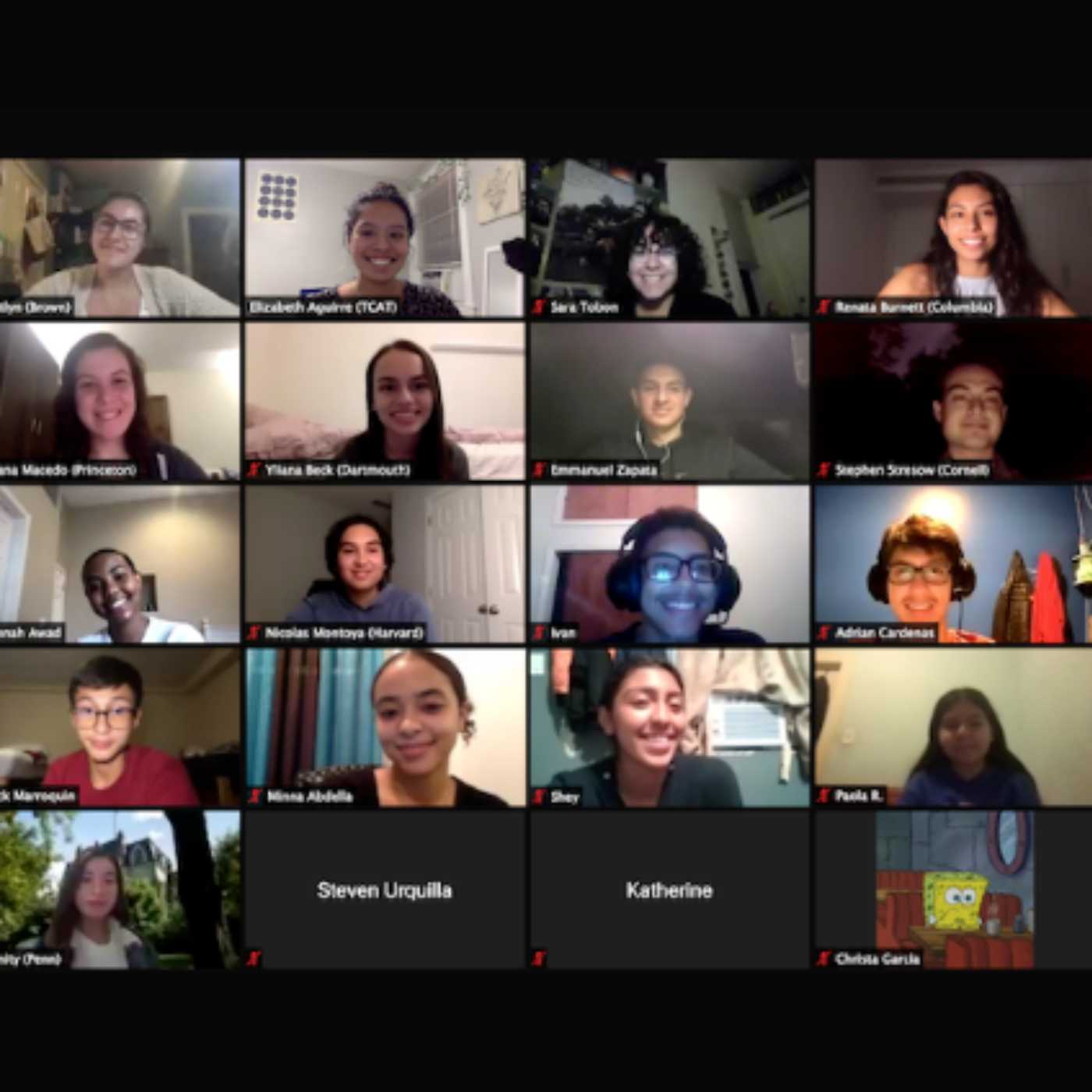
We speak with Michael Sanchez, executive director of Circle Match (formerly TCAT), a program that helps students in underserved high schools apply to colleges. Circle Match serves low income students, primarily of color, who are the first in their families to apply to college. Participants in turn assist classmates, thus creating a college-going culture and subsequently on-campus support. Circle Match students have been extraordinarily successful in gaining admission to elite colleges and universities.

Overview

00:00-00:43 Intros

00:43-02:14 Michael Sanchez’s own K-12 and college admission experiences

02:14-05:27 How these experiences influenced the concept of Circle Match

05:27-10:34 How Circle Match works

10:34-13:56 The people involved in Circle Match

13:56-15:46 Helping students with culture shock at Ivy league schools

15:46-18:54 Students’ responses to giant differences in wealth, income, expectations

18:54-21:10 Affinity groups of different types

21:10-23:36 Why Circle Match focuses on Ivies and other prestigious schools

23:36-26:21 Working with students who won’t get into Ivies

26:21-28:38 Making connections with other-than-Hispanic communities

28:38-30:22 Next schools to partner with

30:22-33:04 Communication with parents

33:04-34:07 Data on families

34:07-35:45 Admissions success rate

35:45-37:59 Going away to college as an issue for parents


Conversations about education often focus on test scores and curriculum, but there’s a deeper layer that truly shapes a student’s experience. Ethical Schools digs into that layer, exploring what it means to build a learning community grounded in integrity and care. Each week, hosts Amy and Jon sit down with educators and innovators who are actively reimagining schools. You’ll hear specific, grounded discussions about the practical work of creating environments where every student feels safe and respected. The dialogue frequently addresses how to support young people dealing with trauma, moving beyond theory to share actionable strategies that teachers are using right now. More than just problem-solving, this podcast highlights how to empower students themselves to become advocates and changemakers in their own communities. It’s a series that connects philosophy with daily practice, looking at the social and cultural structures within schools through a lens of ethics. For anyone invested in the future of education-whether you’re a teacher, administrator, or simply a concerned community member-this podcast offers a thoughtful and necessary perspective on the foundational values that make education meaningful.
Author: Language: English Episodes: 240

Ethical Schools
Podcast Episodes
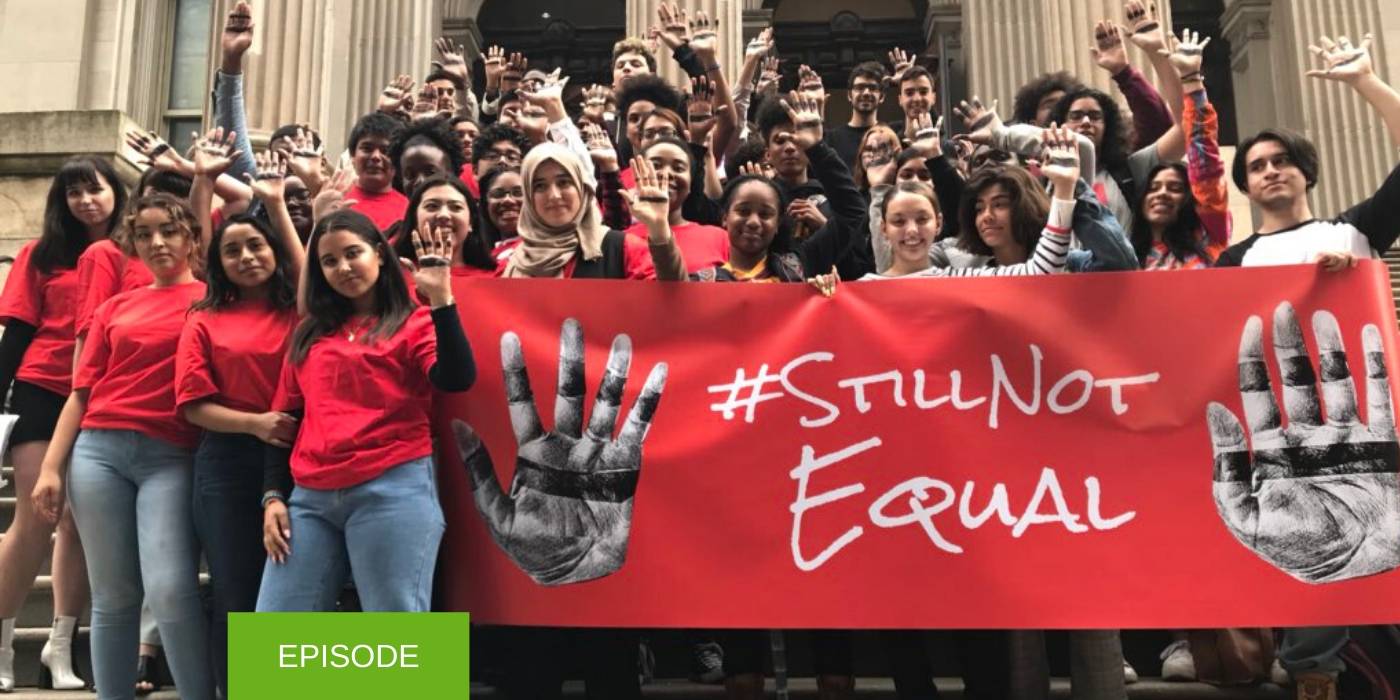
NYC schools: still separate and unequal [not-audio_url] [/not-audio_url]

Duration: 35:54
Student activists Coco Rhum and Hebh Jamal describe what real integration of NYC schools would look like and how to achieve it. Bringing sharp analysis and insight from their experiences as leaders in IntegrateNYC and Te…
Advice for Secondary School Teachers [not-audio_url] [/not-audio_url]

Duration: 41:41
This is an encore. We interview Lev Moscow who, for the last 14 years, has taught history and economics at The Beacon School in New York City. Lev reflects that advisory, done well, can serve as a venue for students to e…
Multicultural Education: Challenges and Aspirations [not-audio_url] [/not-audio_url]

Duration: 54:16
We speak with New York State Regent Luis O. Reyes on the evolution of multilingual education in New York, beginning with the ASPIRA Consent Decree that in 1974 established bilingual education as an entitlement for Puerto…
Multicultural Education: Challenges and Aspirations [not-audio_url] [/not-audio_url]

Duration: 54:17
We speak with New York State Regent Luis O. Reyes on the evolution of multilingual education in New York, beginning with the ASPIRA Consent Decree that in 1974 established bilingual education as an entitlement for Puerto…
Gender Inclusivity: Where Science and Ethics Intersect [not-audio_url] [/not-audio_url]

Duration: 33:00
We speak with high school science teachers and trans men, Sam Long and Lewis Maday-Travis, who have developed resources and trainings to help biology teachers develop gender-inclusive curricula. Science tells us that sex…
Gender Inclusivity: Where Science and Ethics Intersect [not-audio_url] [/not-audio_url]

Duration: 33:00
We speak with high school science teachers and trans men, Sam Long and Lewis Maday-Travis, who have developed resources and trainings to help biology teachers develop gender-inclusive curricula. Science tells us that sex…
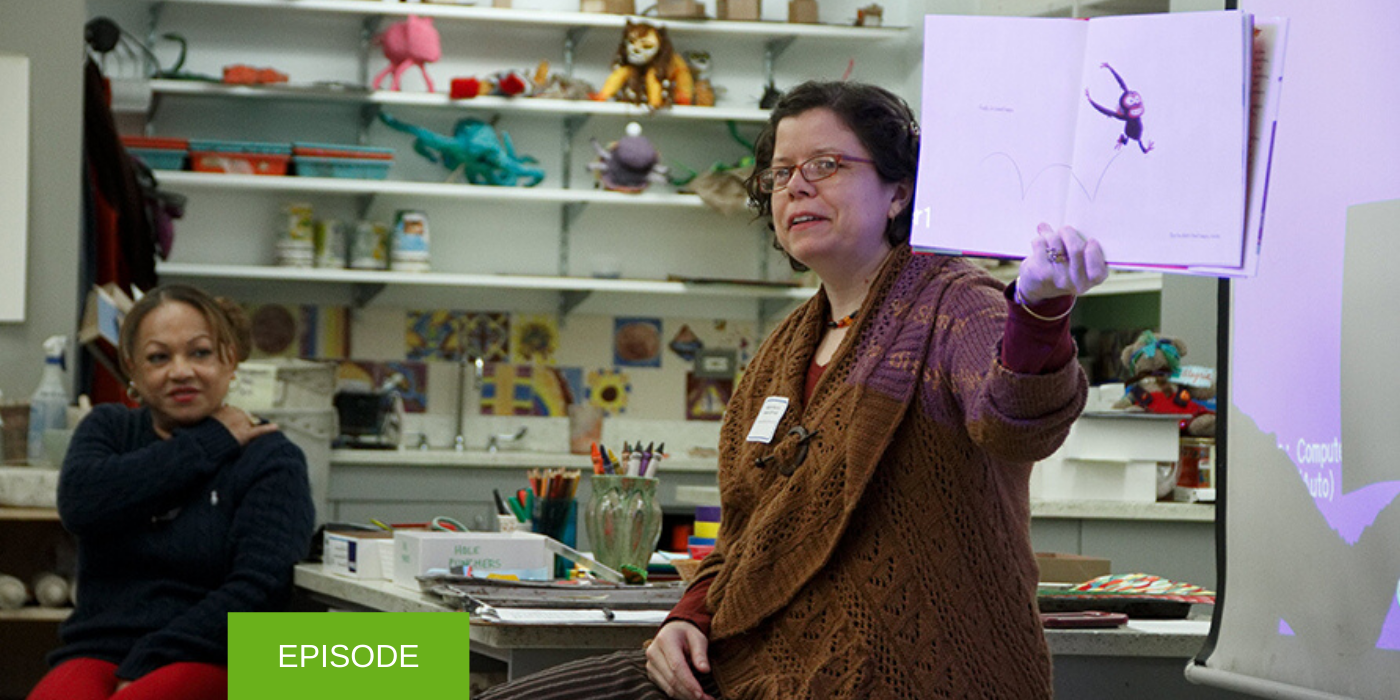
Emotionally Responsive Education: "inviting and containing" [not-audio_url] [/not-audio_url]

Duration: 1:03:00
Margaret Blachly of Bank Street’s Center for Emotionally Responsive Practice describes how to fit materials, curriculum, and relationships together to create an emotionally safe classroom. Emphasizing the importance of a…
Emotionally Responsive Education: “inviting and containing” [not-audio_url] [/not-audio_url]

Duration: 1:03:01
Margaret Blachly of Bank Street’s Center for Emotionally Responsive Practice describes how to fit materials, curriculum, and relationships together to create an emotionally safe classroom. Emphasizing the importance of a…
Special education: How students and their teachers are shortchanged [not-audio_url] [/not-audio_url]

Duration: 30:00
Jia Lee, NYC special education teacher and union activist, talks about the unfairness of the Fair Funding Formula, the school-to-prison pipeline, and the tendency of schools to re-traumatize vulnerable students. She also…