The Algebra Project: Bob Moses on math literacy as a civil right – Part 2

The Algebra Project: Bob Moses on math literacy as a civil right – Part 2

Author: Ethical Schools February 12, 2020 Duration: 28:30

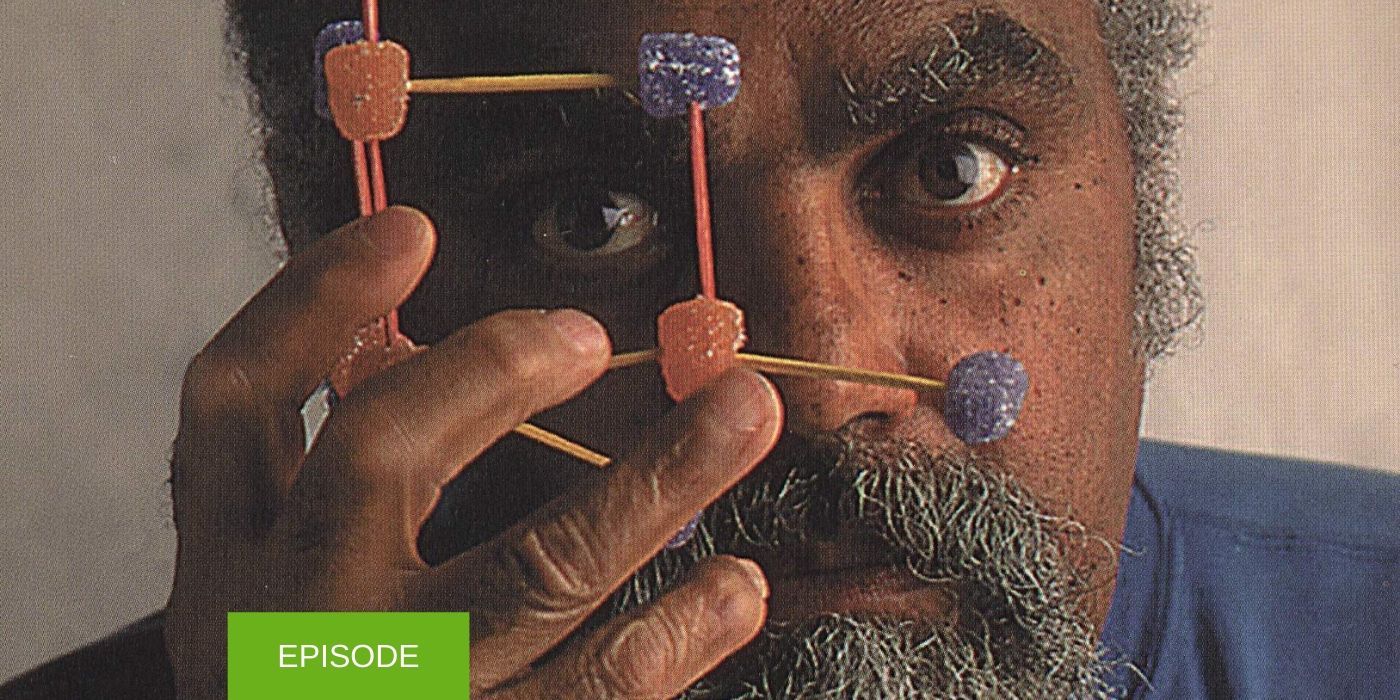
The Algebra Project founder and president–and lead organizer of the famous 1964 Mississippi Freedom Summer voting rights campaign–talks about math literacy as an organizing tool to guarantee quality public school education for all children. Bob Moses describes the Algebra Project’s strategies to connect math to students’ life experiences and everyday language. The interview is divided into two episodes.

*Overview, transcript, and links below.


Conversations about education often focus on test scores and curriculum, but there’s a deeper layer that truly shapes a student’s experience. Ethical Schools digs into that layer, exploring what it means to build a learning community grounded in integrity and care. Each week, hosts Amy and Jon sit down with educators and innovators who are actively reimagining schools. You’ll hear specific, grounded discussions about the practical work of creating environments where every student feels safe and respected. The dialogue frequently addresses how to support young people dealing with trauma, moving beyond theory to share actionable strategies that teachers are using right now. More than just problem-solving, this podcast highlights how to empower students themselves to become advocates and changemakers in their own communities. It’s a series that connects philosophy with daily practice, looking at the social and cultural structures within schools through a lens of ethics. For anyone invested in the future of education-whether you’re a teacher, administrator, or simply a concerned community member-this podcast offers a thoughtful and necessary perspective on the foundational values that make education meaningful.
Author: Language: English Episodes: 240

Ethical Schools
Podcast Episodes
Intersections: Supporting Black LGBTQIA+ students [not-audio_url] [/not-audio_url]

Duration: 1:03:27
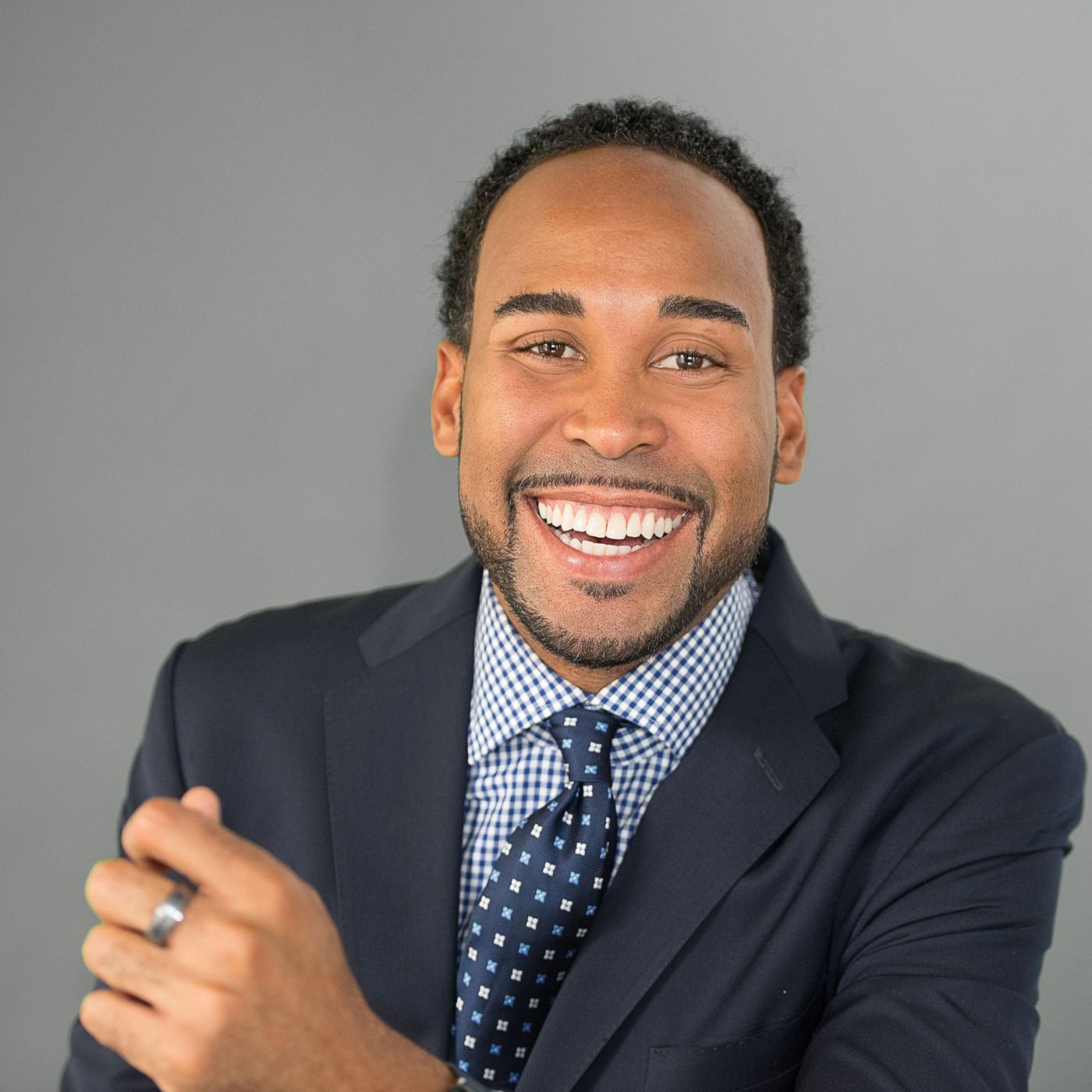
We speak with Dr. David Johns, executive director of the National Black Justice Coalition, NBJC, about the challenges faced by Black LGBTQIA+ students. Most young people at this intersection live in the South among other…
ChatGTP: Cheating optimizer or force for teaching transformation? [not-audio_url] [/not-audio_url]

Duration: 50:09
We speak with Lev Moscow and Richard Miller, veteran high school teachers, about the panic around the release of chatGPT. The AI tool produces respectable essays that students can pass off as their own. The best teachers…
Climate anxiety: a generational plague [not-audio_url] [/not-audio_url]

Duration: 36:31
We speak with Lian Zeitz, co-founder of the Climate Mental Health Network, which promotes wellness in light of the climate crisis. According to a recent survey, 70% of young people are fearful for their future due to cli…
Climate education: not just for science class (Encore) [not-audio_url] [/not-audio_url]

Duration: 40:44
We speak with Dr. Deb L. Morrison, research scientist at the University of Washington School of Education, about centering climate science throughout the K-12 curriculum. Dr. Morrison talks about ClimeTime, a Washington…
Undocumented students: Keeping secrets, navigating obstacles [not-audio_url] [/not-audio_url]

Duration: 35:02
Dr. Gerardo Mancilla, associate professor in the School of Education at Edgewood College and host of Educators and Immigration podcast, reflects on his experiences as an undocumented student in the ‘90s. We discuss what…
Practicing ethics: Case studies (Encore) [not-audio_url] [/not-audio_url]

Duration: 41:18
We speak with Meira Levinson, Professor of Education at Harvard, about her website justiceinschools.org and books of “hard cases,” designed to help educators and youth workers think about the ethical implications of thei…
Recruiting teachers of color: What works [not-audio_url] [/not-audio_url]

Duration: 29:01
We speak with Elizabeth Steiner, education policy researcher at the RAND Corporation, about diversifying the K-12 teacher workforce. Data consistently shows the benefits, especially to Black and Latiné students, of learn…
Cultural responsiveness: is music optional? [not-audio_url] [/not-audio_url]

Duration: 39:57
We speak with Dr. Anne Smith, longtime music teacher in Northern Virginia, about accommodating cultural differences. Dr. Smith created an alternate curriculum for students whose traditions don’t allow secular music-makin…