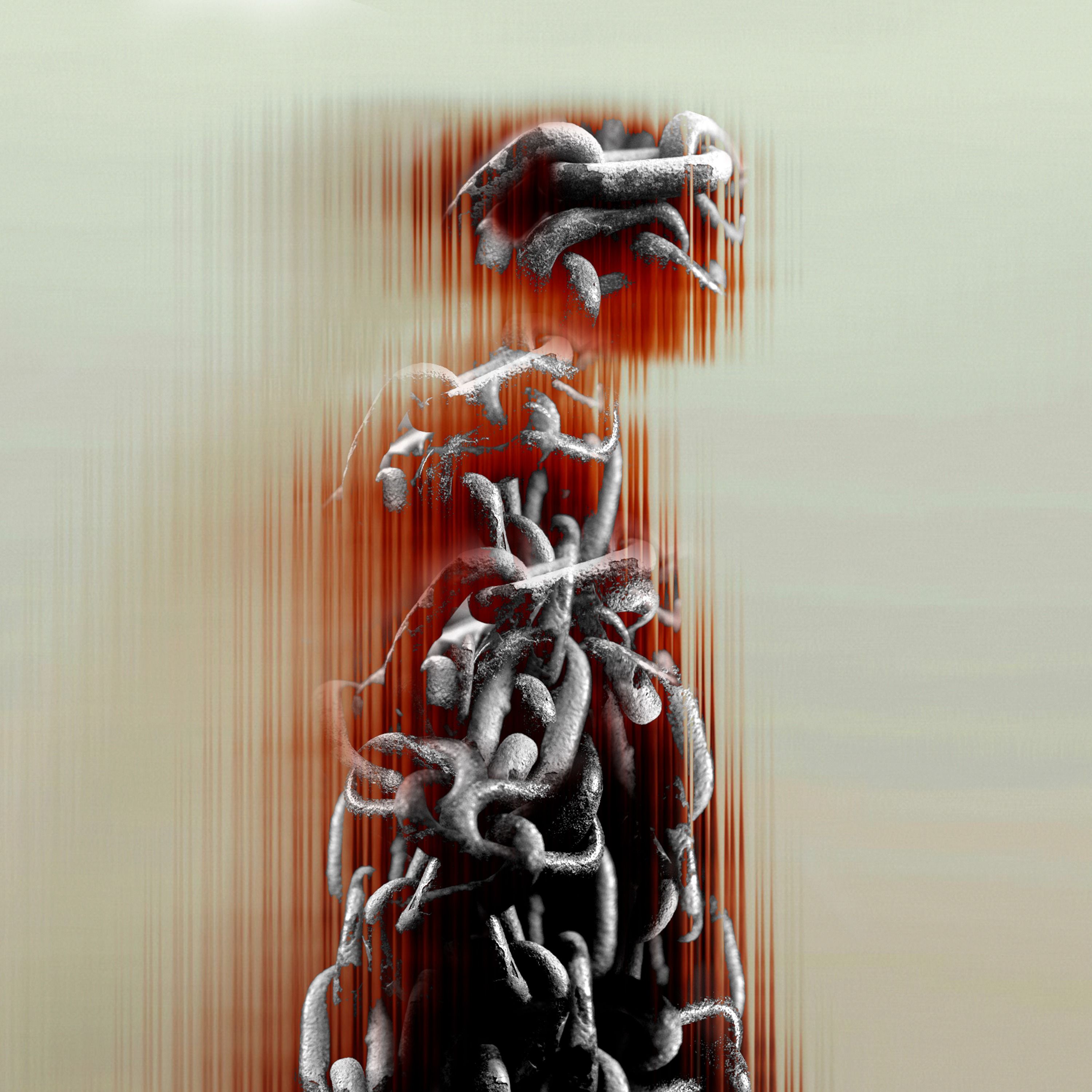
"I went to the woods because I wished to live deliberately, to front only the essential facts of life, and see if I could not learn what it had to teach, and not, when I came to die, discover that I had not lived. I did not wish to live what was not life, living is so dear; nor did I wish to practice resignation, unless it was quite necessary. I wanted to live deep and suck out all the marrow of life.” (Henry David Thoreau, Walden)
In 1845, when he was 27 years old, Henry David Thoreau walked a ways from his home in Concord, MA and built a small house on a small lake—Walden Pond. He lived there for two years, two months, and two days, and he wrote about it. Walden has since become a classic. A treasure to naturalists and philosophers, historians and hipsters, conservationists and non-violent resistors. Something about abstaining from society and its affordances, reconnecting with the land, searching for something beyond the ordinary, living independently, self-reliantly, intentionally, deliberately.
Since then, Thoreau has risen to a kind of secular sainthood. Perhaps the first of now many spiritual but not religious, how should we understand Thoreau’s thought, writing, actions, and way of life?
In this episode, Evan Rosa welcomes Lawrence Buell (Powell M. Cabot Professor of American Literature Emeritus, Harvard University) for a conversation about how to read Thoreau. He is the author of many books on transcendentalism, ecology, and American literature. And his latest book is Henry David Thoreau: Thinking Disobediently, a brief philosophical biography and introduction to the thought of Thoreau through his two most classic works: “Walden” and “Civil Disobedience.”
In today’s episode Larry Buell and I discuss Thoreau’s geographical, historical, social, and intellectual contexts; his friendship with Ralph Waldo Emerson; why he went out to live on a pond for 2 years, 2 months, and 2 days and how it changed him; the difference between wildness and wilderness; why we’re drawn to the simplicity of wild natural landscapes and the ideals of moral perfection; the body, the senses, attunement and attention; the connection between solitude and contemplation; the importance of individual moral conscience and the concept of civil disobedience; Thoreau’s one night in jail and the legacy of his political witness; and ultimately, what it means to think disobediently.
About Lawrence Buell
Lawrence Buell is Powell M. Cabot Professor of American Literature Emeritus at Harvard University. Considered one of the founders of the ecocriticism movement, he has written and lectured worldwide on Transcendentalism, American studies, and the environmental humanities. He is the author of many books, including Literary Transcendentalism, The Environmental Imagination: Thoreau, Nature Writing, and the Invention of American Culture, Writing for an Endangered World, and Emerson. His latest book is Henry David Thoreau: Thinking Disobediently, a brief introduction to the thought of Thoreau to his two most classic works: Walden and “Civil Disobedience.”
Show Notes
Production Notes
- This podcast featured Lawrence Buell
- Edited and Produced by Evan Rosa
- Hosted by Evan Rosa
- Production Assistance by Zoë Halaban, Alexa Rollow, Emily Brookfield, and Kacie Barrett
- A Production of the Yale Center for Faith & Culture at Yale Divinity School https://faith.yale.edu/about
- Support For the Life of the World podcast by giving to the Yale Center for Faith & Culture: https://faith.yale.edu/give






![Season of Rebellion / Esau McCaulley on Lent [From the Archives]](https://image.simplecastcdn.com/images/439f5b68-08cc-4af1-a803-93ec0aa4f838/f874f796-8726-4729-8607-d7821f74b1ad/3000x3000/2023_02_mccaulley_lent_sq3000.jpg?aid=rss_feed)