The Nail in the Tree: Sandy Hook School Shooting, Violence, Childhood, Poetry / Carol Ann Davis
Author: Matthew Croasmun, Ryan McAnnally-Linz, Drew Collins, Miroslav Volf, Evan Rosa, Macie Bridge
December 14, 2025
Duration: 58:38
Poet and essayist Carol Ann Davis (Fairfield University) joins Evan Rosa for a searching conversation on violence, childhood, and the moral discipline of attention in the aftermath of Sandy Hook. Reflecting on trauma, parenting, childhood, poetry, and faith, Davis resists tidy narratives and invites listeners to dwell with grief, healing, beauty, and pain without resolution.
“I don’t believe life feels like beginnings, middles, and ends.”
In this episode, Davis reflects on how lived trauma narrows attention, reshapes language, and unsettles conventional storytelling. Together they discuss poetry as dwelling rather than explanation, childhood and formation amid violence, image versus narrative, moral imagination, and the challenge of staying present to suffering.
Episode Highlights
“Nothing has happened at Hawley School. Please hear me. I have opened every door and seen your children.”
“And that was what it is not to suffer. This is the not-suffering, happy-ending story.”
“I’m always narrowing focus.”
“I think stories lie to us sometimes.”
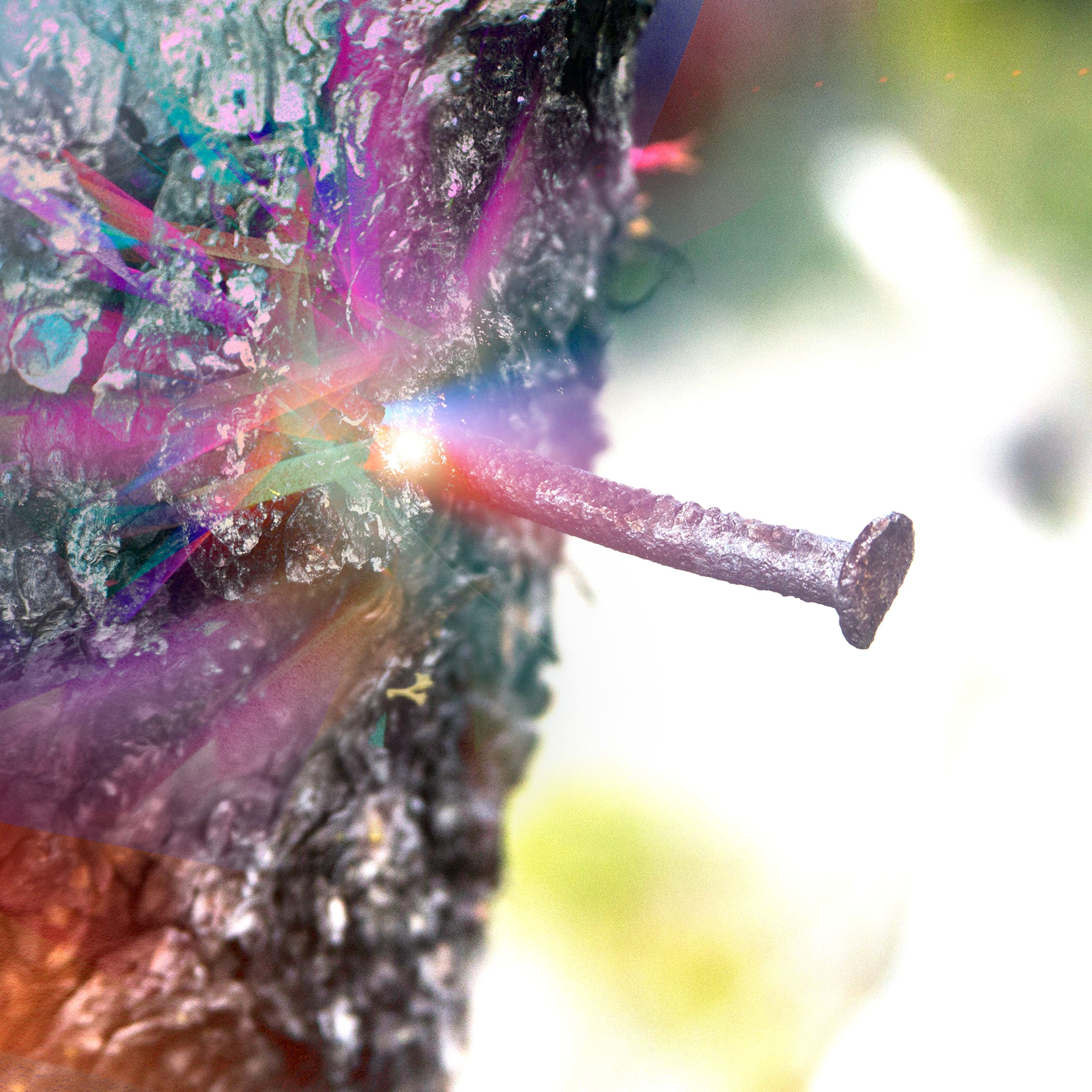
“I think of the shooting as a nail driven into the tree.”
“I’m capable of anything. I’m afraid I’m capable of anything.”
“I tried to love and out of me came poison.”
About Carol Ann Davis
Carol Ann Davis is a poet, essayist, and professor of English at Fairfield University. She is the author of the poetry collections Psalm and Atlas Hour, and the essay collection The Nail in the Tree: Essays on Art, Violence, and Childhood. A former longtime editor of the literary journal Crazyhorse, she directs Fairfield University’s Low-Residency MFA and founded Poetry in Communities, an initiative bringing poetry to communities affected by violence. An NEA Fellow in Poetry, Davis’s work has appeared in The Atlantic, The American Poetry Review, Image, Agni, The Georgia Review, and elsewhere. Learn more and follow at [https://www.carolanndavis.org](https://www.carolanndavis.org)
Helpful Links and Resources
The Nail in the Tree: Essays on Art, Violence, and Childhood
[https://www.tupelopress.org/bookstore/p/the-nail-in-the-tree-essays-on-art-violence-and-childhood](https://www.tupelopress.org/bookstore/p/the-nail-in-the-tree-essays-on-art-violence-and-childhood)
Songbird
[https://www.weslpress.org/9780819502223/songbird/](https://www.weslpress.org/9780819502223/songbird/)
Psalm
[https://www.tupelopress.org/bookstore/p/psalm](https://www.tupelopress.org/bookstore/p/psalm)
Atlas Hour
[https://www.amazon.com/Atlas-Hour-Carol-Ann-Davis/dp/1936797003](https://www.amazon.com/Atlas-Hour-Carol-Ann-Davis/dp/1936797003)
Carol Ann Davis official website
[https://www.carolanndavis.org](https://www.carolanndavis.org)
Show Notes
* Carol Ann Davis recounts moving to Newtown, Connecticut just months before Sandy Hook, teaching a course at Fairfield University when news of the shooting first breaks
* Her young children attended a local elementary school
* Confusion, delay, and the unbearable seconds of not knowing which school was attacked
* A colleague’s embrace as the reality of the shooting becomes clear
* Parenting under threat and the visceral fear of losing one’s children
* “Nothing has happened at Hawley School. Please hear me. I have opened every door and seen your children.” (Hawley School’s Principal sends this message to parents, including Carol Ann)
* Living inside the tension where nothing happened and everything changed
* Writers allowing mystery, unknowing, and time to remain unresolved
* Naming “directly affected families” and later “families of loss”
* Ethical care for proximity without flattening grief into universality
* The moral value of being useful within an affected community
* Narrowing attention as survival, parenting, and poetic discipline
* Choosing writing, presence, and community over national policy debates
* Childhood formation under the long shadow of gun violence
* “I think of the shooting as a nail driven into the tree. And I’m the tree.” (Carol Ann quotes her older son, then in 4th grade)
* Growth as accommodation rather than healing or resolution
* Integration without erasure as a model for living with trauma
* Refusing happy-ending narratives after mass violence
* “I don’t believe life feels like beginnings, middles, and ends.”
* Poetry as dwelling inside experience rather than extracting meaning
* Resisting stories that turn suffering into takeaways
* Crucifixion imagery, nails, trees, and the violence of embodiment
* “I’m capable of anything. I’m afraid I’m capable of anything.”
* Violence as elemental, human, animal, and morally unsettling
* Distinguishing intellectual mastery from dwelling in lived experience
* A poem’s turn toward fear: loving children and fearing harm
* “I tried to love and out of me came poison.”
* Childhood memory, danger, sweetness, and oceanic smallness
* Being comforted by smallness inside something vast and terrifying
* Ending without closure, choosing remembrance over resolution
#CarolAnnDavis
#PoetryAndViolence
#TraumaAndAttention
#SandyHook
#SandyHookPromise
#FaithAndWriting
#Poetry
#ChildhoodAndMemory
Production Notes
* This podcast featured Carol Ann Davis
* Edited and Produced by Evan Rosa
* Hosted by Evan Rosa
* Production Assistance by Alexa Rollow and Emily Brookfield
* A Production of the Yale Center for Faith & Culture at Yale Divinity School [https://faith.yale.edu/about](https://faith.yale.edu/about)
* Support For the Life of the World podcast by giving to the Yale Center for Faith & Culture: [https://faith.yale.edu/give](https://faith.yale.edu/give)