Genetics Shambles 6: Dealing with pathogens

Genetics Shambles 6: Dealing with pathogens

Author: The Genetics Society September 17, 2020 Duration: 55:10

Bacteria are all around us, and inside us. Some of these of these are fine, even good, but others are pathogens and cause disease. How do they evolve and how are we learning to cope with them through new research. And are we in danger of a new age of antibiotic resistance?

Robin Ince is joined by three experts in the field. Dr Siouxsie Wiles is a microbiologist specialising in infectious diseases at the University of Auckland and has been one of the most prominent public faces of New Zealand’s world leading COVID-19 response. Dr Jenny Rohn is a cell biologist at UCL where she runs a research lab looking at microbiological infections, particularly in the urinary tract. And Lavanya Mane is the final year of her PhD research at the Francis Crick Institute looking into the metabolic interactions between bacterial pathogens.

To view previous episodes in the Genetics Shambles series head to Cosmicshambles.com

Follow us on Twitter @GeneticsUnzip


Ever wondered how a monk's garden peas changed science, or what your own DNA might reveal about you? Genetics Unzipped, presented by The Genetics Society, explores these questions and countless others, weaving together the past, present, and future of heredity. This isn't a dry lecture series; it's a collection of conversations and narratives that make the complex world of genes feel immediate and fascinating. Each episode delves into a specific story, whether it's a historical breakthrough, a debate in modern medicine, or the surprising genetic connections in nature and our daily lives. You'll hear from researchers, historians, and sometimes the subjects of genetics themselves, all unpacking how DNA shapes health, fitness, evolution, and what it means to be alive. The podcast moves seamlessly from the fundamentals to the frontiers, making the science accessible without oversimplifying the profound implications. Tune in for a thoughtful and engaging exploration that goes far beyond the helix, examining the very code that writes our stories.
Author: Language: English Episodes: 168

Genetics Unzipped
Podcast Episodes
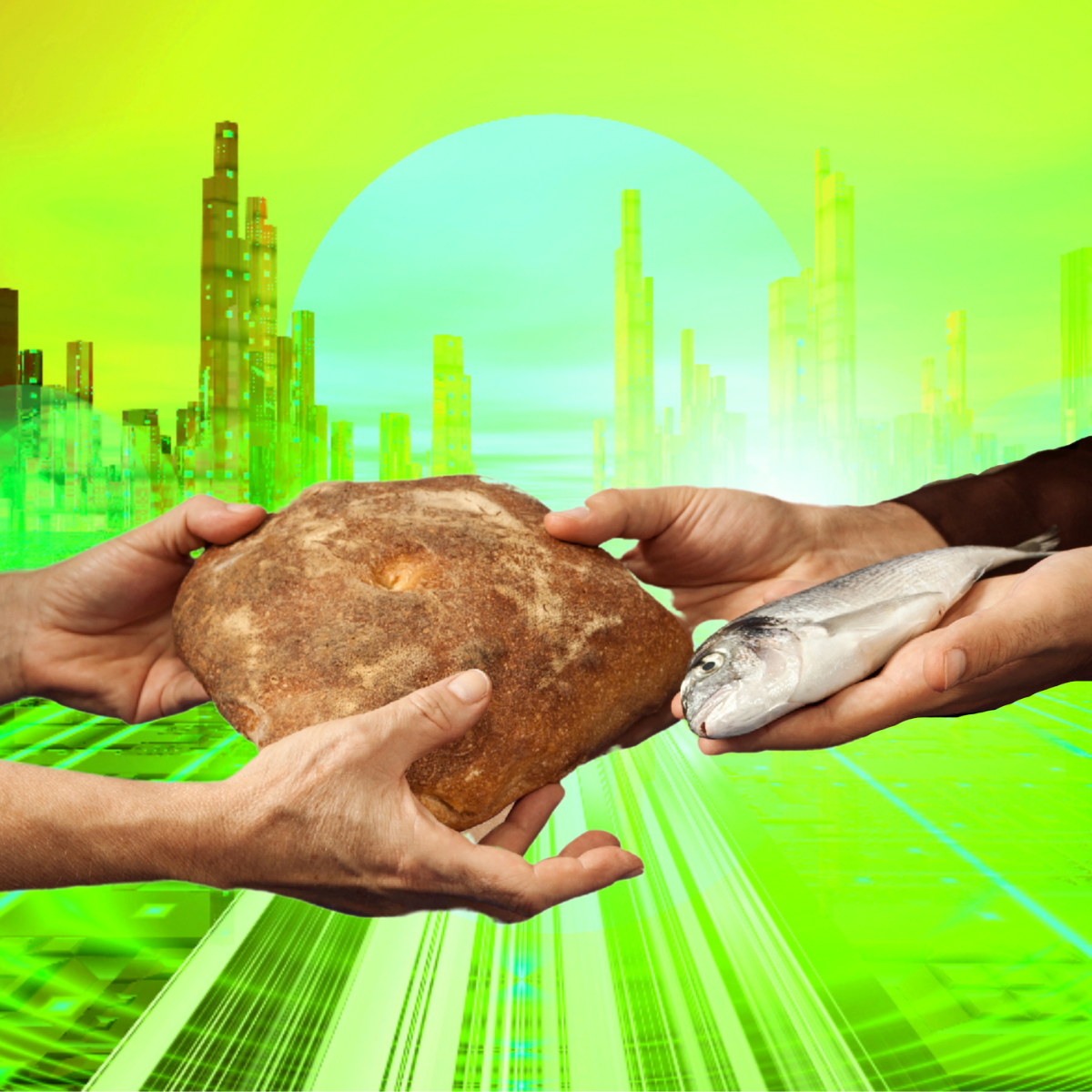
S5.20 Bread and fishes: the future of food in a changing climate [not-audio_url] [/not-audio_url]

Duration: 35:41
In this episode we’re looking at the future of food. With climate change making crop harvests more unpredictable and fresh water becoming a more scarce resource, what are geneticists doing to make sure we will still have…
S5.19 Let there be light: the origins of photosynthesis [not-audio_url] [/not-audio_url]

Duration: 26:12
We’re turning the lights on, looking back at the origins of photosynthesis and the mysteries of the chloroplast genome. From The King James Bible to The Great Oxygen Catastrophe, every lungful of air you breathe has a re…
S5.18 The Genesis Machine [not-audio_url] [/not-audio_url]

Duration: 37:47
We’re exploring the frontiers of genetic engineering and synthetic biology with Amy Webb and Andrew Hessel, authors of the new book The Genesis Machine - taking a look at what’s possible now, what’s coming fast in the fu…
S5.17 Genetics of Society: How to be a queen bee [not-audio_url] [/not-audio_url]

Duration: 26:19
As we always say, this is the podcast from the Genetics Society, but that’s more true than ever as today we’re looking at the genetics of societies. How can you find your place within a rigid social structure, and is it…
S5.16 Hap-pea 200th birthday, Mendel! [not-audio_url] [/not-audio_url]

Duration: 35:56
We celebrate the 200th birthday of Gregor Mendel and learn about the latest genetics research that would have blown his mind.Full show notes, transcript, music credits and references online at GeneticsUnzipped.com Follow…
S5.15 Does size matter when it comes to your genes? [not-audio_url] [/not-audio_url]

Duration: 24:35
In this episode we’re discovering whether size really does matter - when it comes to your genes and genome, that is. Dr Kat Arney gets to grips with why the human genome has so few genes, why some species have more junk…