Ambivalence in Decision-Making: A Podcast with Joshua Briscoe, Bryanna Moore, Jennifer Blumenthal-Barby & Olubukunola Dwyer

Ambivalence in Decision-Making: A Podcast with Joshua Briscoe, Bryanna Moore, Jennifer Blumenthal-Barby & Olubukunola Dwyer

Author: Alex Smith, Eric Widera April 11, 2024 Duration: 51:34

Ambivalence is a tough concept when it comes to decision-making. On the one hand, when people have ambivalence but haven't explored why they are ambivalent, they are prone to bad, value-incongruent decisions. On the other hand, acknowledging and exploring ambivalence may lead to better, more ethical, and less biased decisions.

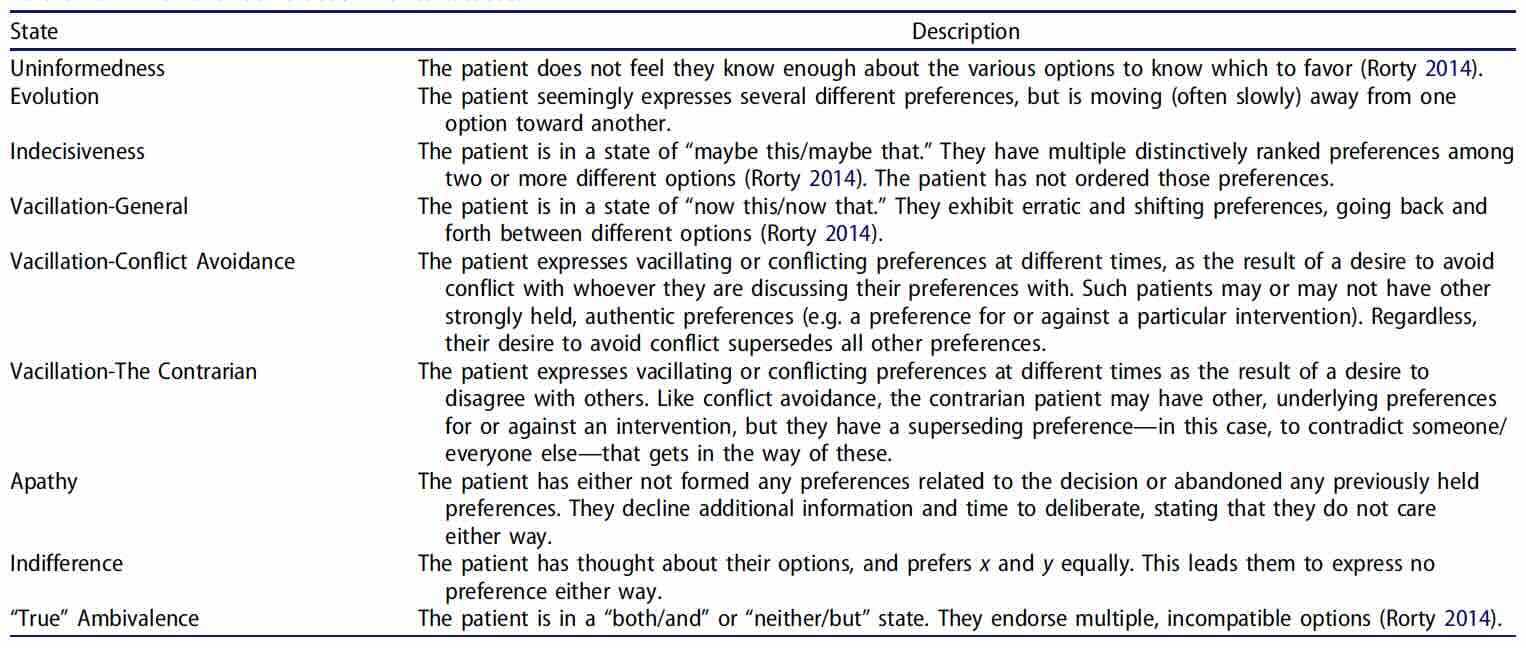
On today's podcast, Joshua Briscoe, Bryanna Moore, Jennifer Blumenthal-Barby, and Olubukunola Dwyer discuss the challenges of ambivalence and ways to address them. This podcast was initially sparked by Josh's "Note From a Family Meeting" Substack post titled "Ambivalence in Clinical Decision-Making," which discussed Bryanna's and Jenny's 2022 article titled "Two Minds, One Patient: Clearing up Confusion About Ambivalence."

Bryanna's and Jenny's article is particularly unique as it discusses these "ambivalent-related phenomena" and that these different kinds of "ambivalence" may call for different approaches with patients, surrogates (and health care providers):

In addition to defining these "ambivalent related phenomena" we ask our guests to cover some of these topics:

  • Is ambivalence good, bad, or just a normal part of decision-making?

  • Does being ambivalent mean you don't care about the decision?

  • What should we be more worried about in decision-making, ambivalence or the lack thereof?

  • The concern about resolving ambivalence too quickly, as it might rush past important work that needs to be done to make a good decision.

  • What about ambivalence on the part of the provider?  How should we think about that?

  • How do you resolve ambivalence?

Lastly, the one takeaway point from this podcast is that the next time I see ambiguity (or have it myself), I should ask the following question: "I see you are struggling with this decision. Tell me how you are feeling about it."


Hosted by UCSF physicians Alex Smith and Eric Widera, GeriPal-A Geriatrics and Palliative Medicine Podcast creates a vital space for conversation at the intersection of aging and serious illness care. This isn't a dry lecture series; it's a dynamic dialogue where Eric and Alex bring on leading experts to unpack the complexities of geriatric and palliative medicine. They delve into the latest research that should change practice, tackle the ethical dilemmas that provoke debate, and explore the nuanced clinical challenges that professionals face daily. The tone is engaging and often surprisingly lighthearted, with moments of humor and even the occasional song, making profound topics more accessible. Whether you're a clinician, nurse, social worker, or any professional dedicated to this field, this podcast offers a blend of evidence-based insights and practical wisdom you can use. It’s a resource that acknowledges the weight of the work while fostering connection and continued learning. For those seeking formal education credits, AMA PRA Category 1 CME and MOC credit are also available through the show. Tune in to join a community committed to improving care for older adults and those with serious illness.
Author: Language: English Episodes: 100

GeriPal - A Geriatrics and Palliative Medicine Podcast
Podcast Episodes
400th Episode Celebration: Ask Us Anything, Hot Ones-style [not-audio_url] [/not-audio_url]

Duration: 1:00:57
Lynn Flint and Anne Kelly join as hosts in a reprise of last year's ask us anything format. Thank you for sending in your terrific questions! Lynn and Anne condensed them to about 20, and we ran through them rather rapid…
Unilateral DNR? Gina Piscitello, Erin DeMartino, Will Parker [not-audio_url] [/not-audio_url]

Duration: 50:24
Do you think your hospital should allow unilateral DNR orders? Under what circumstances? Through what process? Do you think that when you obtain the assent of a family to not code their loved one, that assent DNR should…
