Porto 3-6-2024

Porto 3-6-2024

Author: Gus Clemens March 5, 2024 Duration: 4:41

This is the weekly column

Porto (port wine) often is mistaken to be a depth-of-winter libation sipped while gazing at a roaring fire, the finale to a robust meal. Porto certainly works in that scenario, but you miss out if you so limit your porto possibilities.

Port can be enjoyed any time, including chilled in summer. In fact, tawny port is best appreciated slightly chilled. Ruby port and vintage port are best around 60-64 degrees. More about port designations in a bit.

Here are the basics. Port/porto is a sweet, fortified dessert wine made in Portugal and identified by the word “Porto” on the label. The name comes from the city of Porto, the second-largest city in Portugal after Lisbon. It has been a UNESCO World Heritage Site since 1996.

Porto, Portugal — Creative Commons 2.0

Porto and its sister city, Vila Nova de Gaia, are on opposite banks of the Douro River in western Portugal. Grapes for making porto come down the Douro from vineyards in eastern Portugal. Grape-laden barges arrive in Gaia and go to “lodges,” where porto is made. The wine is made in Gaia, then shipped out of Porto.

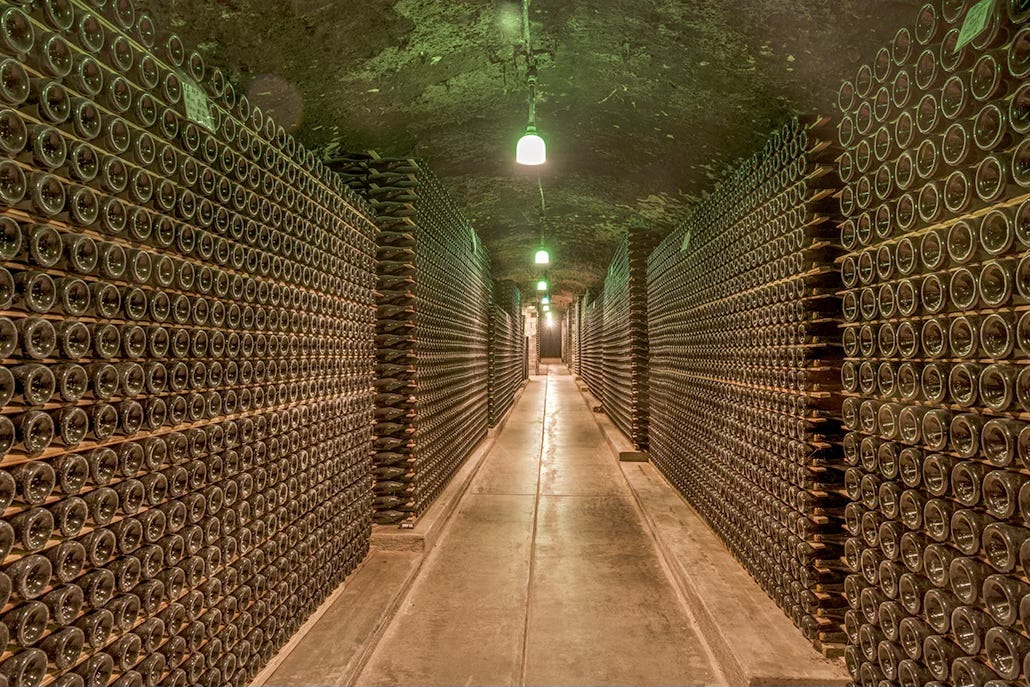
Some 80 different grape varieties are permitted in porto making. Five are the most common: touriga nancional, touriga francesa, tinta roriz (aka tempranillo), tinta barroca, and tinta cão. Fermentation starts, but when it reaches six-to-nine percent alcohol fermentation is stopped by adding brandy. That brings the final ABV to some 20 percent. Porto is sweet, but tannins and racy acidity balance things out. Then the defining element of porto commences—aging.

The aging regimen prescribes categories of porto:

• Vintage Porto. Sits atop porto hierarchy. Made from best grapes in quality vintages. Very age worthy—coming into their own in decades rather than years. Oak influence is somewhat muted because they only spend two years in barrel, but then they spend years in bottle before release.

• Late-bottled. Wines spend four-to-six years in oak. Oak aging smooths things out, but the wine is less sophisticated—and less expensive—than vintage.

• Tawny. Experiences long aging in wood—10 to 40 years. The number of years usually is prominent on the label. Mellow, nutty, woody, dried fruit. Features oak more than quality grapes, although there are many examples that feature both.

• Ruby. Entry level porto. Usually ages two-three years in oak. Often blended with older wines to create a consistent house style.

Tasting note

• Warre’s Vintage Porto 2016: Plush dessert in a glass with alcohol oomph (20%). Elegant, balanced, charming. Sweetness deftly paired with excellent acidity, fine-grained tannins. $100-110 Link to my review

Last round

Home is where cat hair sticks to everything but the cat. Wine time.

Email: wine@cwadv.com

Newsletter: gusclemens.substack.com

Website:  gusclemensonwine.com

Facebook:  facebook.com/GusClemensOnWine/posts/

Twitter (X): @gusclemens

Long form wine stories on Vocal: Gus Clemens on Vocal


This is a public episode. If you'd like to discuss this with other subscribers or get access to bonus episodes, visit gusclemens.substack.com/subscribe

There’s a lot of noise in the world of wine, but Gus Clemens on Wine cuts through it with clarity and a good dose of humor. Drawing from his widely syndicated newspaper column and his daily online posts, Gus Clemens brings his accessible expertise directly to your ears. This isn’t a stuffy lecture series. Instead, each episode feels like a relaxed conversation with a knowledgeable friend who genuinely wants you to enjoy the journey as much as the glass in your hand. You’ll hear straightforward reviews, fascinating stories from wine history, and practical insights that make the entire subject feel approachable and fun. The podcast naturally extends Gus’s written work into a warm, audio format perfect for listening during a commute, while cooking, or simply relaxing. Whether you’re just starting to explore beyond the supermarket aisle or you’re a seasoned enthusiast looking for a fresh perspective, this series demystifies topics from grape varieties and regions to pairing ideas and the latest trends. It’s about the culture, the people, and the stories behind the bottle, all delivered with a consistent, engaging voice that turns every episode into a pleasant discovery. Tune in for a genuinely user-friendly guide to the wide, wonderful world of wine.
Author: Language: English Episodes: 100

Gus Clemens on Wine explores and explains the world of wine in simple, humorous, fun posts
Podcast Episodes
Wine bottle sizes 2-19-2025 [not-audio_url] [/not-audio_url]

Duration: 4:05
This is the weekly columnIt is a new year and there are sweeping changes in wine bottle sizes in America. Yep, wine makers and glass blowers have a whole new tool kit to entice you into experiencing whatever elixir they…
Wine for Valentine 2-12-2025 [not-audio_url] [/not-audio_url]

Duration: 4:33
This is the weekly columnValentine’s Day cometh, time for expressing love and affection, although one can argue that should be on your to-do list every day.The celebration has roots as far back as ancient Rome. It was th…
Gripes and opinions 2-5-2025 [not-audio_url] [/not-audio_url]

Duration: 4:46
This is the weekly columnWine columnists are expected to have opinions, and I have many. Here are four to rile up readers.• Stemless wine glasses. They do hold wine and they are harder to break and easier to clean than t…
Blending terms 1-29-2025 [not-audio_url] [/not-audio_url]

Duration: 5:20
This is the weekly columnWine labels and wine reviews may include various references to wine blending. Some are specific and informative. Others are distinctions without a difference. Let’s explore the most common blendi…
Types of blends 1-22-2025 [not-audio_url] [/not-audio_url]

Duration: 4:24
This is the weekly columnBlending is essential to making some of the world’s most iconic wines. We explored the several ways to blend last week. This week, specific wines created by blending.• Champagne can be a blend of…
Varietals and blends 1-15-2025 [not-audio_url] [/not-audio_url]

Duration: 4:09
This is the weekly columnIn general, wines can be divided into varietals and blends. This being wine, it is not so black-and-white simple. Let’s explore.A varietal wine has a single variety of grape on the label. That me…
Wine scores 1-8-2025 [not-audio_url] [/not-audio_url]

Duration: 4:09
This is the weekly columWine scores. Oh, my. On one level, ridiculous. On another level, essential to wine’s success over the past half century. Some observations.Anyone who ever took a test or got a report card in grade…
Winter wine survival 1-1-2025 [not-audio_url] [/not-audio_url]

Duration: 4:39
This is the weekly columnHappy New Year. We survived another sun circumnavigation. Sunlight grows slowly longer. Spring rebirth looms over the sere, cold-swept horizon. Endure these last temperature-challenging months, a…
Christmas 12-25-2024 [not-audio_url] [/not-audio_url]

Duration: 4:28
This is the weekly columThis column runs on Wednesdays in most markets—Christmas Day in 2024. If you have not secured your wine before now, no chance today. We can, however, look forward to New Year’s Eve and New Year’s…
Holiday wine pairing insight 12-18-2024 [not-audio_url] [/not-audio_url]

Duration: 4:18
This is the weekly columWith Christmas/holiday feasts coming soon, what is the ideal alcohol percentage for wine paired with food? The answer is 10-14%. Why?U.S. labeling laws are loony, so the ABV amount on the label ca…